• TalkBass has been independent since 1998. Add your voice.
    Create a free account to reply to discussions, view embedded media, and browse with fewer display ads.
    Join freeLog in
    Want zero display ads or expanded classifieds tools? Compare plans.

Micro Thumpinator

Note: thumps can come from slapping/popping/picking/attacking any note on any string, not just the lowest notes. It is a matter of the non-musical percussive "whump" of the initial physical hit on the string or the pickups, not the note that rings out from normal string vibration.

Another example, seeing as you have an upright in your avatar, is the thump/rumble sound that gets transmitted through the bridge transducer when you bump your endpin on the floor, or scoot it abruptly, or knock your bow against the bridge.
 
I just did an A/B test through my MarkBass, BX500+Epifani and BX500+BRX10.2. I used a 5 string Carvin Icon with 18v electronics.
I videoed it but speaker movement and sound didn't come through well. Frustrating as I went through my setup to explain it.

My findings:
Speaker movement on the MarkBass was noticeably reduced and the sound was a bit clearer. However the MarkBass is a very 'clear' amp to my ears as opposed to the BX500 which will respond with some clipping depending on your settings.

BX500 + BRX - didn't notice a change in tone or speaker movement.

BX500+Epifani - didn't notice a change in speaker movement (the Epifani speaker to me always seem nice and stiff though). But sound was noticeably clearer with the Thumpinator.

An overall interesting finding - with the volume set low on the bass, the volume coming through the speakers was louder in all cases WITH the Thumpinator. This was less noticeable with the BRX 10.2. With the volume set higher on the bass the change was less but still perceived.
 
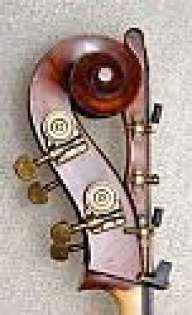
With my upright... This is all with MarkBass:

Interesting - the sound WITH the Thumpinator definitely sounded more like the natural upright sound. Much more output - I had to cut the low end a bit (or else my bass resonated / fed back a bit) on the amp but it sounded great.

WITHOUT the Thumpinator - it sounded like bad upright amplification - midrangey, nasal, thin, low output. No feedback but terrible sound.

I used a K&K Bass Max pickup. Do note that I have a Marvin Tailpiece installed which may respond very differently than a standard tailpiece.

I did not notice any change if I tapped the bass / bridge or picked the bass up an inch and let it hit the floor.
 
Additional info: the Thumpinator is a good buffer as well as a filter; so for example if the transducer in MostlyBass's bass normally connects straight to his amp, then adding a buffer in between could definitely have the effects MB described.
 
I got mine in today, finally. I installed it in my board, then ran some tests with my tone generator. It does eliminate any signal below 20hz. Between 20-30, it starts letting some signal through, although it is noticably reduced. By about 28 hz, most of the signal is getting through, and after 30 there seems to be no reduction at all.....as anticipated. It is very transparent, but seems to do it's job.
 
I found this to be true too. I have it on my effects board before the amp. I found I had to put it after some dynamic effects that seem to prefer the unbuffered signal from the bass. That is just fine with me. Otherwise it is an excellent line-driver. It works well with passive and active instruments. (MM SR4 Classic, P basses, etc.) I would like to know what the input impedance is. I suspect it is pretty high.

Additional info: the Thumpinator is a good buffer as well as a filter; so for example if the transducer in MostlyBass's bass normally connects straight to his amp, then adding a buffer in between could definitely have the effects MB described.
 
I am wishing to be able to join in the "fun" . . .
Just sent an e-mail to Max re: after getting a tracking# from him, then being updated via the Royal Mail website with "your item, posted 10/08, has arrived in Kennedy, New York and is being processed for delivery", USPS says that they still don't know what's up . . .
Everybody knows the blues . . .