

Enjoy the benefits of a premium membership!
Upgrade Account
-
TalkBass has been independent since 1998. Add your voice.
Create a free account to reply to discussions, view embedded media, and browse with fewer display ads.
Join free Log in
Want zero display ads or expanded classifieds tools? Compare plans.
You are using an out of date browser. It may not display this or other websites correctly.
You should upgrade or use an alternative browser.
You should upgrade or use an alternative browser.
More Sheldon Dingwall and Tone Wood
- Thread starter Dr. Cheese
- Start date
More options
Who Replied?
Whatever defines the ADSR and tonal profile is about LOSSES, what energy goes elsewhere.
D
Whatever defines the ADSR and tonal profile is about LOSSES, what energy goes elsewhere.
Exactly. With acoustic instruments it's a different story of course.
Well, sort of, but they have losses too. And separating acousic and electro acoustic instruments will show differences in loss distribution, at least on aggregated level.Exactly. With acoustic instruments it's a different story of course.

I had a 5 string neck-thru that I hadn't played in a long time. So, I cut the maple body wings off, made new ones that were mahogany on the back half and walnut on the front. Peeled off the rosewood FB and made a new one from wenge. Put it all back together, reinstalled all the original pups and electronics and guess what,......
I still sucked.
Should have kept the wings and binned or burned the rest.


Here we go with this eternal materials of construction debate.
First, I’m going to play whatever I feel like playing; and don’t care what anyone else thinks about it. Every single other player out there has the same right.
Second, taking the “materials of construction don’t matter” perspective for a moment, this fretless P Bass sounds just like all the others; right? Right?
Bass instruments in general have two aspects to their “sound.” There is what the audience hears, or what goes to tape; and there is how the player experiences the bass while playing it. There are differences, and these discussions usually don’t allow for both aspects, arguing one vs the other, when they really are separate.
I suppose, if one is seeking eternal argument, this would be a good one. But, arguing about different aspects, as though they were falsely the same, is uninformed and somewhat illogical.
Just sayin.
First, I’m going to play whatever I feel like playing; and don’t care what anyone else thinks about it. Every single other player out there has the same right.
Second, taking the “materials of construction don’t matter” perspective for a moment, this fretless P Bass sounds just like all the others; right? Right?
Bass instruments in general have two aspects to their “sound.” There is what the audience hears, or what goes to tape; and there is how the player experiences the bass while playing it. There are differences, and these discussions usually don’t allow for both aspects, arguing one vs the other, when they really are separate.
I suppose, if one is seeking eternal argument, this would be a good one. But, arguing about different aspects, as though they were falsely the same, is uninformed and somewhat illogical.
Just sayin.
This will be in my description on the next bass I post for sale:
if you mic'd up that wood and played it like bongos
Here we go with this eternal materials of construction debate.
First, I’m going to play whatever I feel like playing; and don’t care what anyone else thinks about it. Every single other player out there has the same right.
Second, taking the “materials of construction don’t matter” perspective for a moment, this fretless P Bass sounds just like all the others; right? Right?
Bass instruments in general have two aspects to their “sound.” There is what the audience hears, or what goes to tape; and there is how the player experiences the bass while playing it. There are differences, and these discussions usually don’t allow for both aspects, arguing one vs the other, when they really are separate.
I suppose, if one is seeking eternal argument, this would be a good one. But, arguing about different aspects, as though they were falsely the same, is uninformed and somewhat illogical.
Just sayin.
Wow that sounds as bad as it looks.
I have 3 basses with the exact same electronics, but somehow sound very different from each other (different pickup placement). However, they are different colors, maybe that’s why the tone is ‘colored’ differently

uho, here we go again


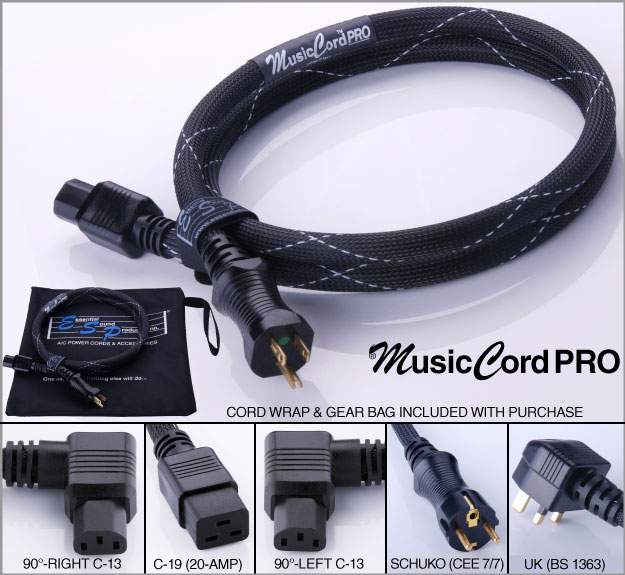
You can hear the difference better if your amp has a $250 power cord upgrade….

Why I usually avoid this subject:
Of course wood (type and density) is going to affect tone...but each individual bass alone is its own case sensitive object - even if two basses come right after each other on an assembly line: One can be a tone-rich resonant delight while the other is a flat dud....The other issue is how much of a difference that makes to a player: Im just now finishing a review of a Tagima bass made with poplar (usually used in Asian imports). This bass sounds great to me <shrug>
Of course wood (type and density) is going to affect tone...but each individual bass alone is its own case sensitive object - even if two basses come right after each other on an assembly line: One can be a tone-rich resonant delight while the other is a flat dud....The other issue is how much of a difference that makes to a player: Im just now finishing a review of a Tagima bass made with poplar (usually used in Asian imports). This bass sounds great to me <shrug>

So that's why I suck,......You can hear the difference better if your amp has a $250 power cord upgrade….
View attachment 4836464
I wish I would've known about these sooner.

So full disclosure, I'm a Dingwall player and my Combustion is the best bass I have ever played.
Truth be told...I don't care one bit whether there is anything to the tone wood debate. What I hear when I hear Sheldon talk is someone who is incredibly passionate about his craft and that passion drives him to produce extremely high quality instruments. I am more than happy to let him and his peers and all the fantastic basement luthiers out there debate tone wood as much as they want. If it results in basses made with a high level of attention to detail then we, the bass community, all win.
Truth be told...I don't care one bit whether there is anything to the tone wood debate. What I hear when I hear Sheldon talk is someone who is incredibly passionate about his craft and that passion drives him to produce extremely high quality instruments. I am more than happy to let him and his peers and all the fantastic basement luthiers out there debate tone wood as much as they want. If it results in basses made with a high level of attention to detail then we, the bass community, all win.

Dude has managed to create distinctive instruments in a market still dominated by seventy and sixty year old designs. All of the great luthiers talk a lot about wood, not just Sheldon Dingwall. I am not going to say any businessman is above marketing, but I do not think I know more about wood than they do.
Sheldon is applying a technology that was patented in 1989 - over 30 years ago. He has an agreement with Ralph Novak that says he sticks to basses while Ralph sticks to guitars. Sheldon is not that far behind those 60 year old designs. On the other hand, Sheldon has a few popular models that are throwbacks, not everything he's doing is trying to be hyper-modern.

Sheldon is applying a technology that was patented in 1989 - over 30 years ago. He has an agreement with Ralph Novak that says he sticks to basses while Ralph sticks to guitars. Sheldon is not that far behind those 60 year old designs. On the other hand, Sheldon has a few popular models that are throwbacks, not everything he's doing is trying to be hyper-modern.
As a human being, thirty years feels like a long time to me. Thirty ain’t sixty!

Well said, and I 100% agree. This is the healthiest and most productive outlook to take on the subject.So full disclosure, I'm a Dingwall player and my Combustion is the best bass I have ever played.
Truth be told...I don't care one bit whether there is anything to the tone wood debate. What I hear when I hear Sheldon talk is someone who is incredibly passionate about his craft and that passion drives him to produce extremely high quality instruments. I am more than happy to let him and his peers and all the fantastic basement luthiers out there debate tone wood as much as they want. If it results in basses made with a high level of attention to detail then we, the bass community, all win.
Besides, most of the people who comment (including myself) are usually anywhere from 0 to maybe 50% in terms of knowing what the heck they're talking about.
The reason I rag on reputable builders who do the stupid "knock on wood" videos, is because they never explain the science. They leave it to the audience's imagination to fill in the blanks as to what the sound means and how that translates into anything meaningful. People connect dot's that don't exist. I feel like some of them do it on purpose, either to take advantage of people, or as a little joke to mess with people and start an internet debate. Depending on the mood, I guess that can be kinda funny, or very off-putting.

Here we go with this eternal materials of construction debate........Second, taking the “materials of construction don’t matter” perspective for a moment, this fretless P Bass sounds just like all the others; right? Right?
 what a huge fail! and besides, it's ugly!
here's a much better example of an aluminum ax --- and this one does sound just like all the other p-basses!
EBs don't even need to be made out of wood to sound good.


Wow that sounds as bad as it looks.
I have 3 basses with the exact same electronics, but somehow sound very different from each other (different pickup placement). However, they are different colors, maybe that’s why the tone is ‘colored’ differently
uho, here we go again
A Dingwall played through what sounds like a junky, overdriven practice amp and recorded at a distance through a camera mic would sound just as bad. There are Youtube videos of proper recordings of other all-metal basses that sound sublime (see, e.g., post 37 above).
"different pickup placement" --- they "somehow" sound different, meaning that they should sound the same despite the different placements of the pickups?

here's a much better example of an aluminum ax --- and this one does sound just like all the other p-basses!
EBs don't even need to be made out of wood to sound good.
Sounds great. But check out that neck radius!

True dat! I certainly have at least one instrument with a graphite neck, which I like very much. The point I was making is that irrespective of what sound goes to tape, there is another aspect happening between me and the instrument. In that respect, there are some great basses and some not so great basses.EBs don't even need to be made out of wood to sound good.
If someone wants to say the materials of construction don’t matter, that is certainly their prerogative. They matter to me; but, I’m not stuck on some dogma as to how that happens. And, arguing the point seems pretty pointless. You pick up a bass, play it, and decide if it is a player or not. Pretty much that simple. I’m not going into GC and just randomly pick an instrument based upon it’s appearance; though, again, if someone wants to do that, it would be their choice.


