FWIW, I don't believe that boiled linseed oil is a varnish, it's just an oil. And it smells nice, too.

TalkBass has been independent since 1998. Add your voice.
Create a free account to reply to discussions, view embedded media, and browse with fewer display ads.
Join free Log in
Want zero display ads or expanded classifieds tools? Compare plans.

Eh whatever. Not worth arguing with you over this. Obviously your opinion isn't going to change based on anything I say.
I think it's a looks thing and a useful thing to do to keep your board looking nice.
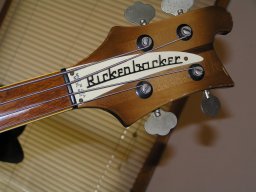
Rosewood and ebony are not alike in this regard. Ebony must be kept from drying out. Rosewood seems much hardier. As far as cleaning goes, did you ever sneeze at a gig? You have mucus on your fingerboard. Played a gig at some roach motel? Your fingerboard has herpes. Clean it often, and if oiling it afterwards helps protect the wood, fine.Just clean the gunk off with a damp rag. There is absolutely no need to oil a rosewood or ebony board. If you just want to darken the board, wiping a thin layer of boiled linseed oil once every two or so years is all it will take.
Rosewood and ebony are not alike in this regard. Ebony must be kept from drying out. Rosewood seems much hardier. As far as cleaning goes, did you ever sneeze at a gig? You have mucus on your fingerboard. Played a gig at some roach motel? Your fingerboard has herpes. Clean it often, and if oiling it afterwards helps protect the wood, fine.
You mean elements like finger oils, acid sweat, cigarette smoke, air fresheners, the toxic methane emitted from the drummer who ate a cheap and spicy dinner, etc.? Those things do tend to break down finishes and get a fingerboard/fretboard pretty nasty.Contrary to popular belief wood on an musical instrument that is not exposed to elements will not dry out and start flaking away.
You mean elements like finger oils, acid sweat, cigarette smoke, air fresheners, the toxic methane emitted from the drummer who ate a cheap and spicy dinner, etc.? Those things do tend to break down finishes and get a fingerboard/fretboard pretty nasty.

Rosewood and ebony are not alike in this regard. Ebony must be kept from drying out. Rosewood seems much hardier. As far as cleaning goes, did you ever sneeze at a gig? You have mucus on your fingerboard. Played a gig at some roach motel? Your fingerboard has herpes. Clean it often, and if oiling it afterwards helps protect the wood, fine.
Just bringing up a point that some may not realize. Sorry I didn't reply sooner, but I was busy cleaning my keyboard.Got a little germ OCD going here, hmmmm?

huh? boiled linseed oil is totally a finish, it polymerizes and hardens into a solid coating.Another thing worth noting, as I use boiled linseed oil, it's not a finishing agent, so much as it is an extender. If you had to wait for that stuff to dry as a finish, you'd be waiting for some time. That's why you use it sparingly.
huh? boiled linseed oil is totally a finish, it polymerizes and hardens into a solid coating.