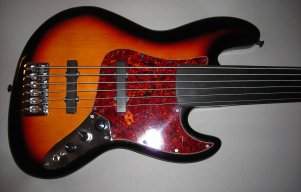
Seems pretty simple to me. If you play a PJ with the P pickup soloed you get a P sound (body & neck shape don't matter). If you play with the J soloed you get a bridge J sound which may include single coil hum. If you blend them you get pretty much the sound of a J with both pickups on.i’ve been playing active basses predominately for 40 years (RD Artist to Peavey TL-5 to Alembic Rogue), but I have an urge for a passive bass. Leaning toward a P bass, but wondering about the benefit a PJ would offer (and I don’t really want to buy and return). Just playing in church now, can’t find the time or energy for playing like I used to. What say you, Talkbass? Is and added J worth my $200?
Sound wise, the benefit of the passive PJ over your active instruments is simplicity and safety. Safety in that the player can't mess up the sound with wild EQ changes. Also, there is no POP when you plug / unplug the bass, and no battery to wear down.
In church, things can vary greatly. Our small/med church runs the PA more-or-less flat. Subwoofer supports but does not dominte the mix. The bass can be heard and solid mids & upper mids are beneficial. A J with both pickups on full gets buried, a J with soloed neck or P cuts through better, a Stingray is best. We were at a larger church a week ago for a worship conference. Sub was huge in the mix. Many of the instruments, including bass, could not be heard. Player was playing a P but, again, you could not really hear it. He may have had more luck running a PJ with just the J to bring some mids to the table. In his case a PJ would have been better than the P but only if the player knew enough to compensate for the less-than-ideal mix.



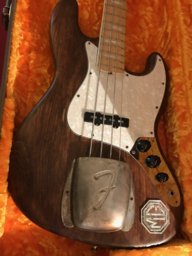


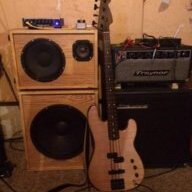
 So, I’ll probably buy a Rickenbacker...