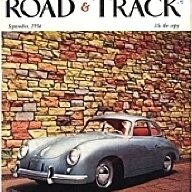
Yours?Between 1971 and 1976, Mercedes-Benz Argentina, based on the Mercedes-Benz 220D, (W115), manufactured the Mercedes Benz 220 D pick up.
Invalid Link Removed

TalkBass has been independent since 1998. Add your voice.
Create a free account to reply to discussions, view embedded media, and browse with fewer display ads.
Join free Log in
Want zero display ads or expanded classifieds tools? Compare plans.
Yours?Between 1971 and 1976, Mercedes-Benz Argentina, based on the Mercedes-Benz 220D, (W115), manufactured the Mercedes Benz 220 D pick up.
Invalid Link Removed

No. I think it's very rare in Europe. I personally never have seen one in the wild.Yours?
I was referring to the woman...No. I think it's very rare in Europe. I personally never have seen one in the wild.



No. I think it's very rare in Europe. I personally never have seen one in the wild.


A future icon!Far too new to be considered iconic, but awesome, nevertheless.
https://youtube.com/shorts/ABdQGtAcsjg?si=kfb03_Gr9FCFMTYX


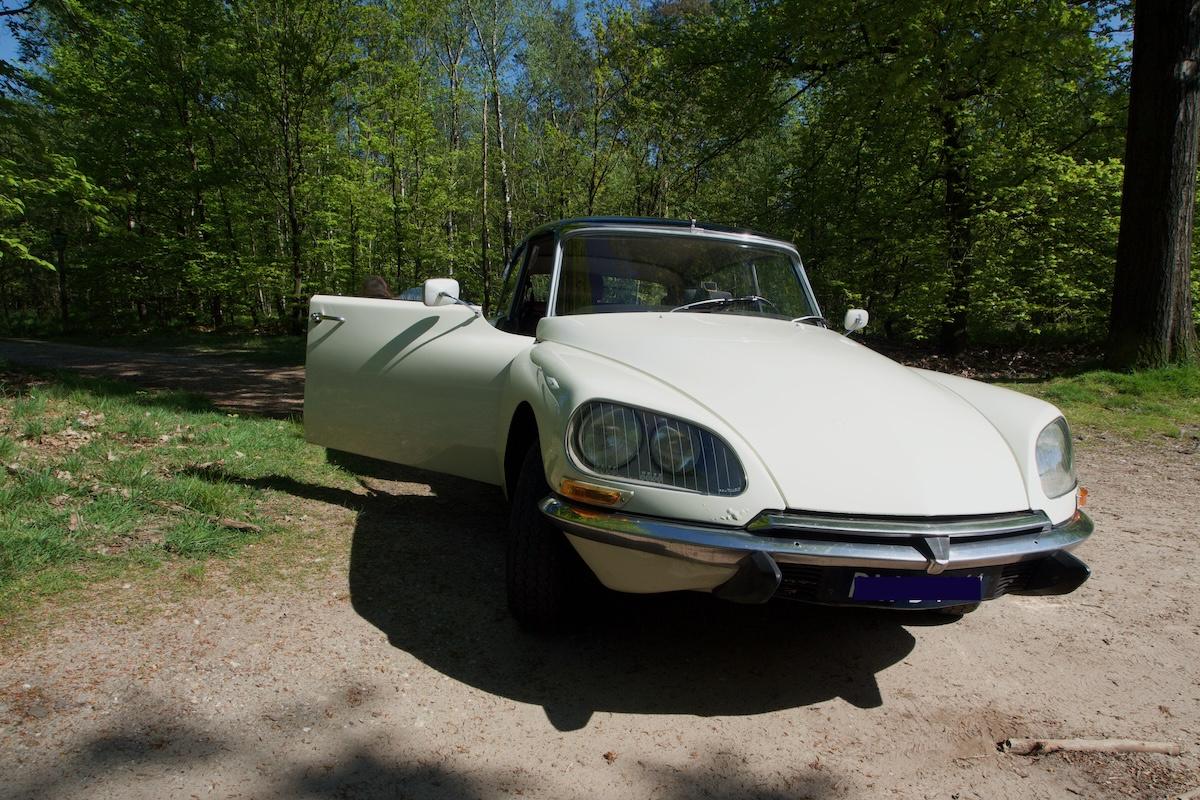
For the discerning family man.





Jeebus, do you need a ladder to climb into that beast?
Looks like an Upscale technical.This one is custom made, but close to it: Mercedes with 57mm Canon - Atelier Van Lieshout.
It's a sort of wacky tongue in cheek art project by Joep van Lieshout, notoriously known for 'shocking' art projects.
"VL’s old company car, an ordinary Mercedes, was converted into a pick-up truck and equipped with a 57-mm canon designed by the atelier and made from everyday materials. Part of the exhibition The Good, The Bad and The Ugly presented in Rabastens in 1998, the Mercedes with the canon gained notoriety when the mayor banned the show. In 2002, the work was almost confiscated by the Rotterdam police, who started to impound artworks shortly after the Dutch politician Pim Fortuyn was murdered. Twenty Dutch state officials showed up at AVL: ten policemen, five customs officials and five tax officials. They took AVL M80 Mortar but decided to come back the next day for the Mercedes. The car was transported to the Boijmans Museum, which decided to acquire the work for its permanent collection and save it from being destroyed."