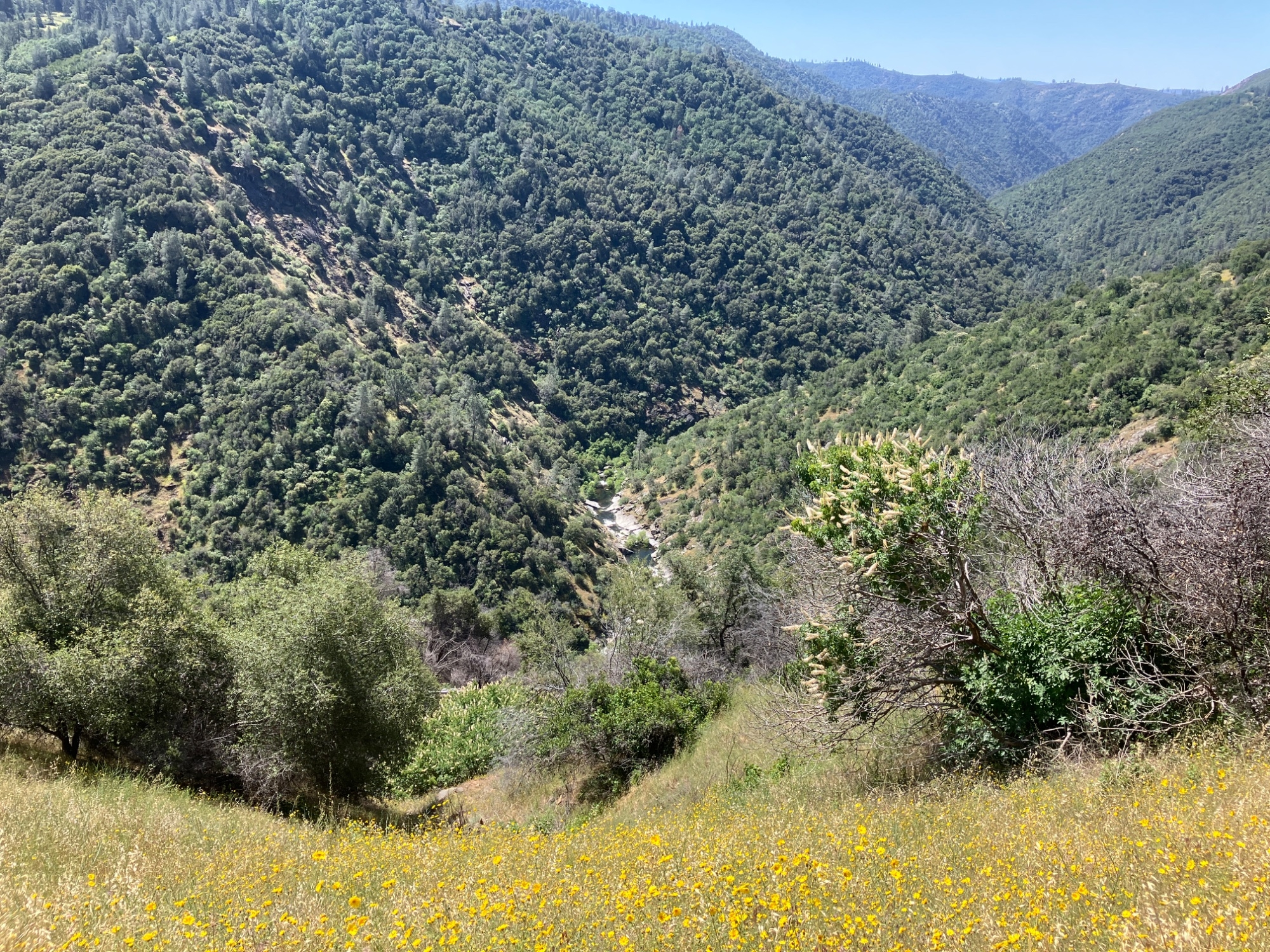
North Fork of the Tuolumne River, Sierra Nevada foothills.

TalkBass has been independent since 1998. Add your voice.
Create a free account to reply to discussions, view embedded media, and browse with fewer display ads.
Join free Log in
Want zero display ads or expanded classifieds tools? Compare plans.




That's a great shot! Does that happen to be from a Nikon P1000? I've heard they have a crazy optical zoom on those.Awesome! this is the best Moon shot I've ever taken and it is with a bridge camera. Yours is so much crisper.. I love it.
View attachment 7508066
It was the Panasonic LUMIX FZ-600 25-600mm. A great camera but really crippled by only having a 1/2.3″ CMOS sensor. I had some great shots with it, but it had its limitations with tracking, instant focus the small sensor.That's a great shot! Does that happen to be from a Nikon P1000? I've heard they have a crazy optical zoom on those.
Mine is actually a two panel mosaic, taken through a 5" Maksutov telescope with a dedicated astro camera and an infrared-pass filter. It's kind of funny how much of audio science is similar to photography... Wavelengths, low pass, high pass, narrow bandwidth vs broad.
I've never done it but know a few people that are into it. Those are great BTW!! I wouldn't know where to start, my photo projects are more down-to-earth!!! I am a Canon guy mostly.I wonder if anyone else here is into astrophotography? I've gotten into it over the past couple years. It seems like a bassist's type of hobby. Or maybe not, since we're theoretically supposed to be out playing gigs at night. Anyway here's a few of my favorites that I've taken.
View attachment 7508062
View attachment 7508063View attachment 7508064
That's cool. I was just in NY over the weekend in Westchester County just outside NYC, it's where I grew up. Doing my morning walks around my former high school which has two lakes, there is a year-round population of Canada geese there. I saw multiple families with various aged goslings. These geese are so used to people you can walk between them at will (watching out for guano!) without them reacting. Most other places they'd chase you away and even attack. Not here.There has been a pair of Canadas nesting up on that hill in the background every year since I've been up here. This spring there are three pair on the pond, Their nests are spread out around it, but it is not unusual to see them all in single file on the edge of the road across the dam, located just out of frame to the right. They have their own private water entrance in the middle of that big bush and if you don't know it's there you'd have to be lucky enough to catch them coming out to know it's there. There's an otter den just above the head of the pond and another one behind the dam. they occasionally come out from behind the dam and go fishing, and I assume the other group is doing the same at the head. Anywho, when I catch these birds when they are out, they don't mind me being in sight, but don't try to close on them or they will book to the pond.
View attachment 7508053
What the hell? This is the right camera and lens and magnification, basically? Are these manipulated in any way?I wonder if anyone else here is into astrophotography? I've gotten into it over the past couple years. It seems like a bassist's type of hobby. Or maybe not, since we're theoretically supposed to be out playing gigs at night. Anyway here's a few of my favorites that I've taken.
View attachment 7508062
View attachment 7508063View attachment 7508064
Yeah they are definitely manipulated to increase sharpness, decrease noise, and accentuate color in the case of the nebula photos. They are also made of many exposures "stacked" to increase the signal to noise ratio. If I recall the East Veil (the first one) is about 8 hours of exposure, and the Elephant's Trunk is maybe 14.What the hell? This is the right camera and lens and magnification, basically? Are these manipulated in any way?
I had no idea this was possible for regular people. I thought this is the the kind of thing only a space telescope or observatory could do. That's amazing.Yeah they are definitely manipulated to increase sharpness, decrease noise, and accentuate color in the case of the nebula photos. They are also made of many exposures "stacked" to increase the signal to noise ratio. If I recall the East Veil (the first one) is about 8 hours of exposure, and the Elephant's Trunk is maybe 14.
The color of the East Veil is basically true. Hydrogen emits light that can be captured as red, and oxygen as blue. I live in an area with a lot of light pollution, so I use a filter that only lets through those two bandwidths. Kind of like turning all the channels down on a graphic eq except two.
On the Elephant's trunk I also captured sulfur's bandwidth which is another shade of red, so in order to differentiate those colors I messed around in post and ended up with the gold/orange/purple. That one leans more to the artistic than scientific. The standard practice is to render Hydrogen as green when you shoot that way, which is what they do with a lot of the Hubble photos. This is how that image looks processed that way. A different flavor of false color.
View attachment 7508269
Yeah you can do amazing things from your back yard these days. I am very much a novice at this and my gear is entry level. The rig used to take those photos was roughly MIA P Bass money. Many people in the hobby are into late-model-used-car territory.I had no idea this was possible for regular people. I thought this is the the kind of thing only a space telescope or observatory could do. That's amazing.


