
Enjoy the benefits of a premium membership!
Upgrade Account
-
TalkBass has been independent since 1998. Add your voice.
Create a free account to reply to discussions, view embedded media, and browse with fewer display ads.
Join free Log in
Want zero display ads or expanded classifieds tools? Compare plans.
You are using an out of date browser. It may not display this or other websites correctly.
You should upgrade or use an alternative browser.
You should upgrade or use an alternative browser.
Post your "Money Shot" plain grain finish.
- Thread starter SpeakerBoxxx
- Start date
More options
Who Replied?


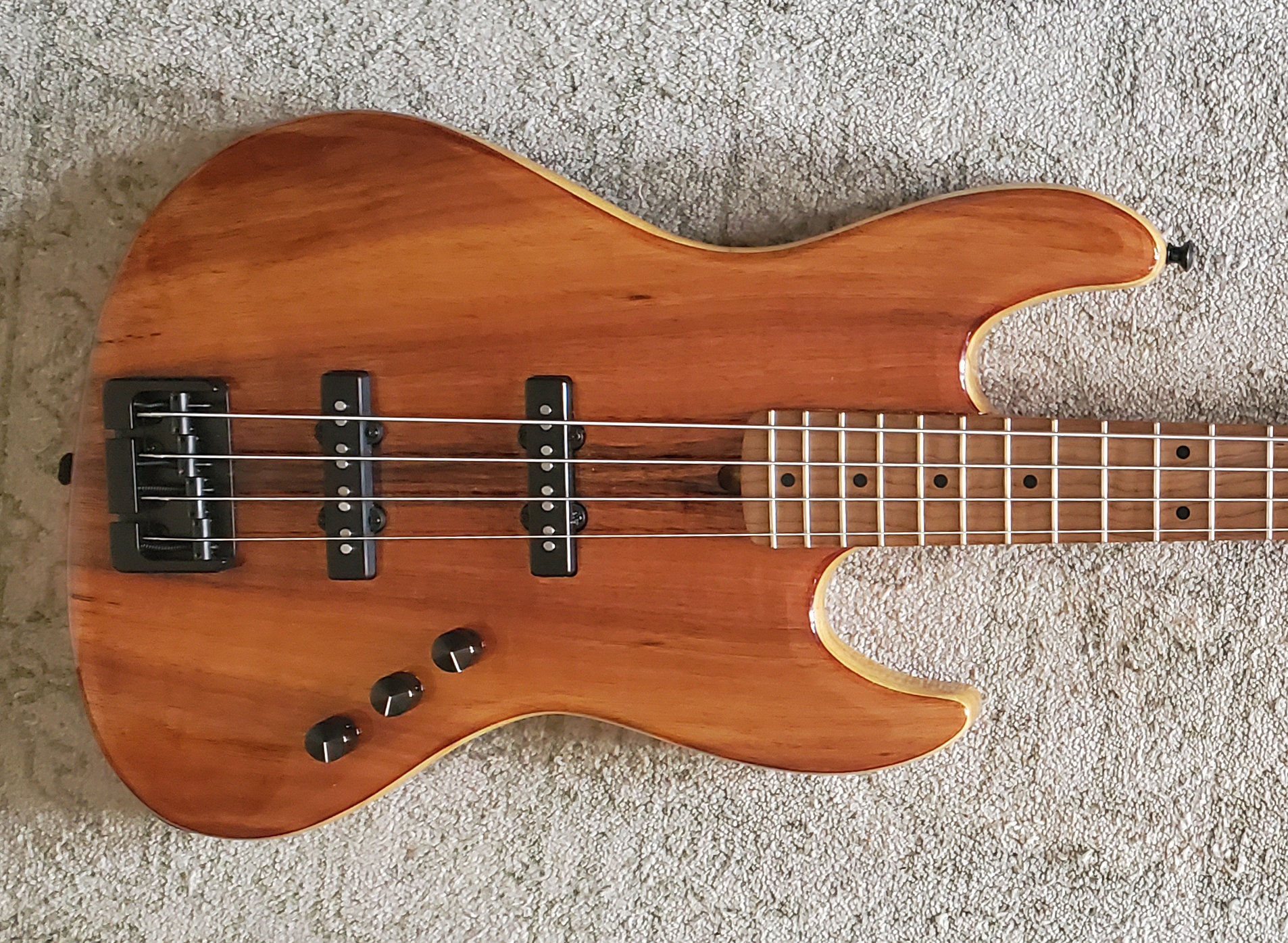
This is a Koa top with a pretty simple grain. I sanded in a pure tung/BLO/varnish blend, then 2 or 3 coats of high-solids poly for leveling, then recoats of wipe-on poly with wet sanding (up to 2000) between each coat.
Carey Nordstrand is building this P bass for me with an Alder body. I wanted honey glaze, no burst.
I got a tiny bit of burst, and that’s ok enough.
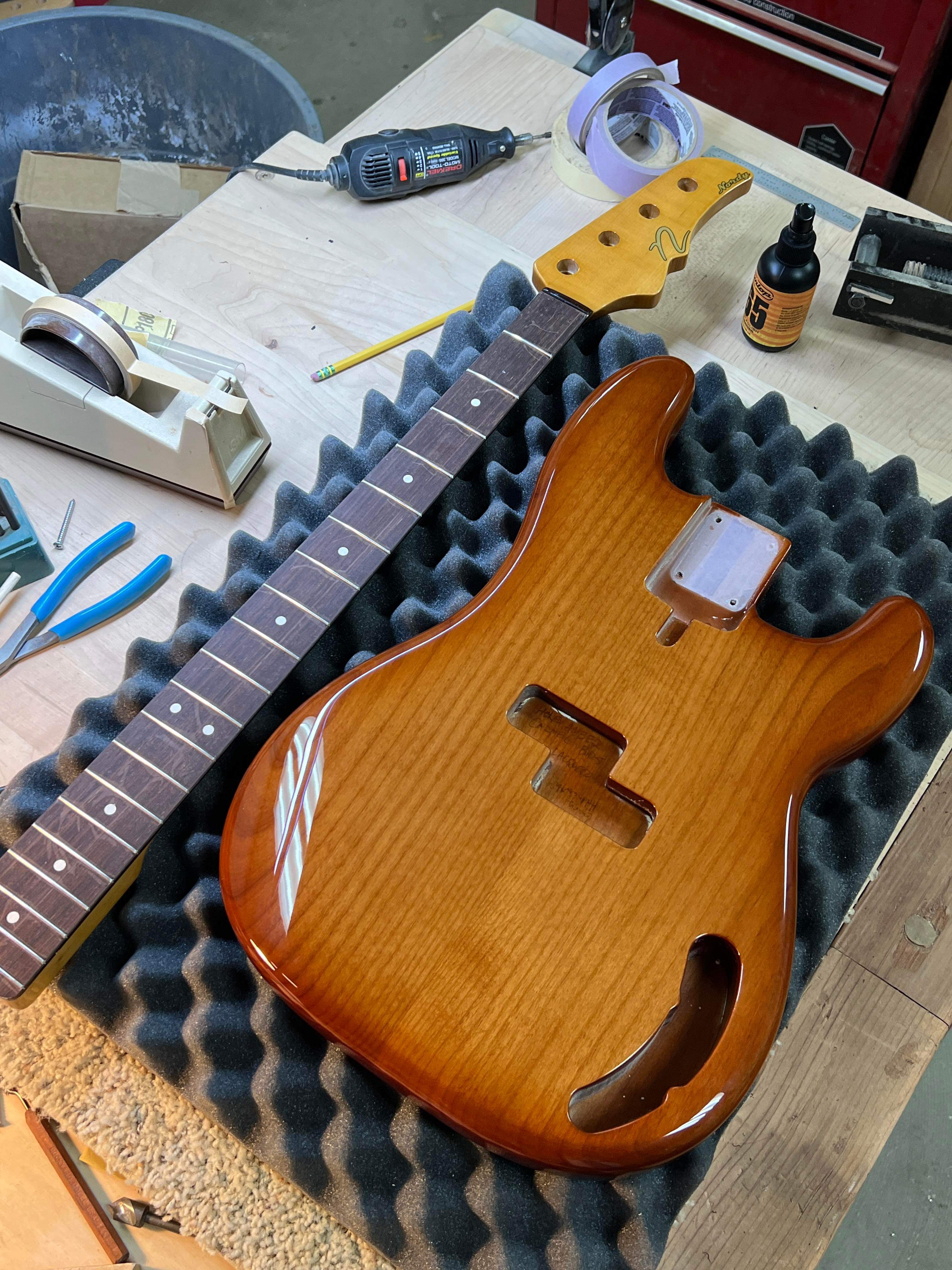
I got a tiny bit of burst, and that’s ok enough.

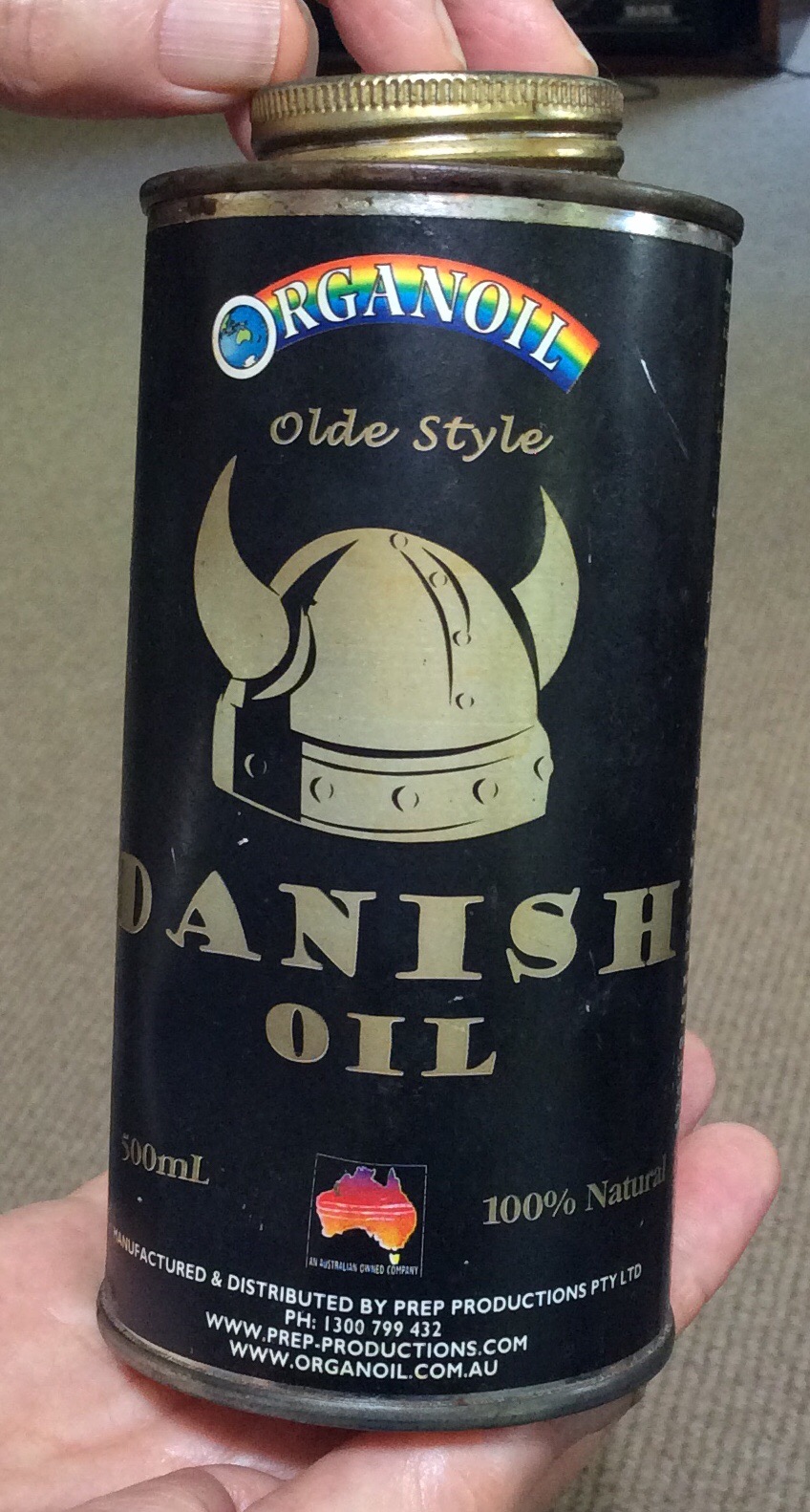
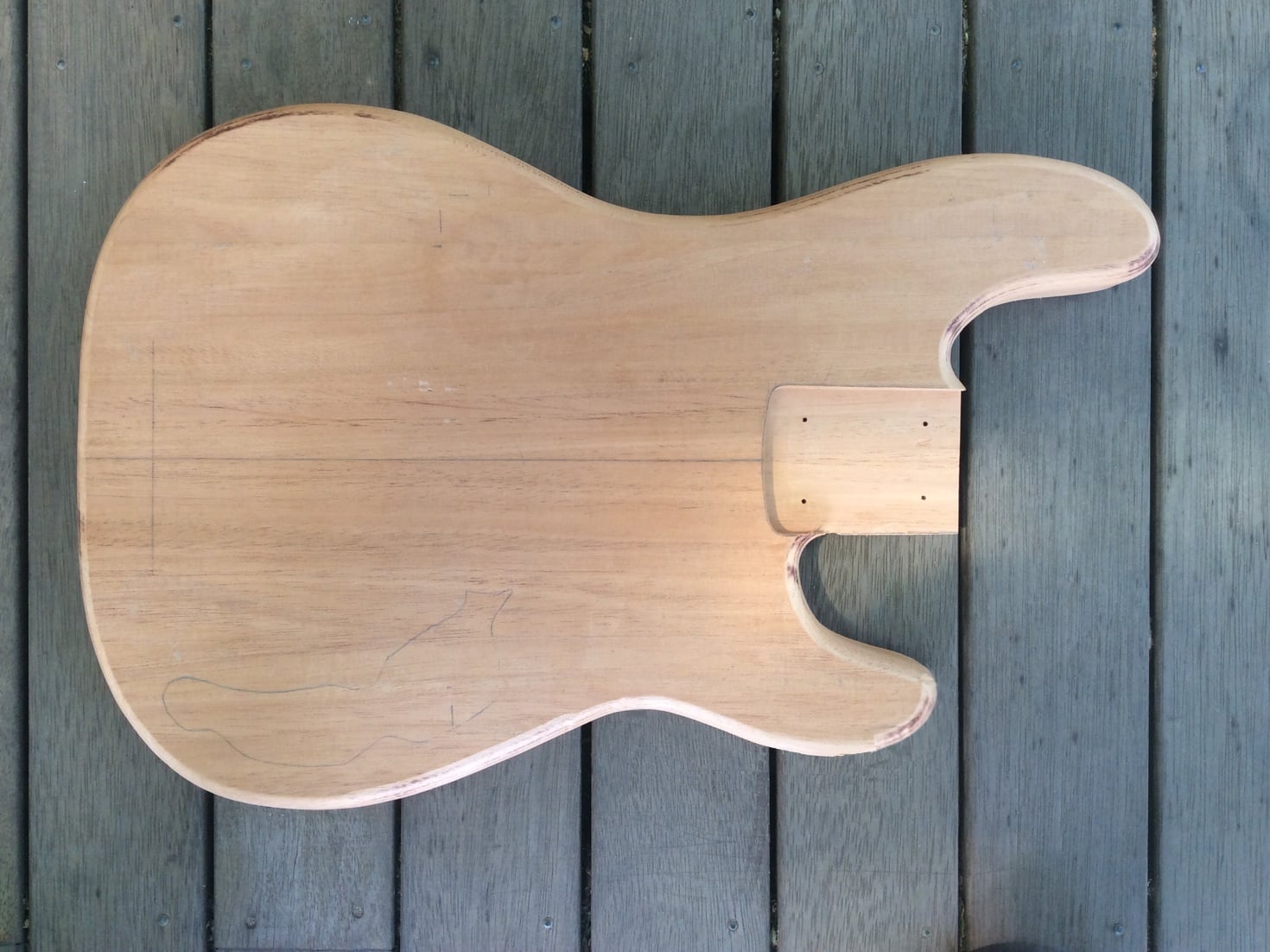
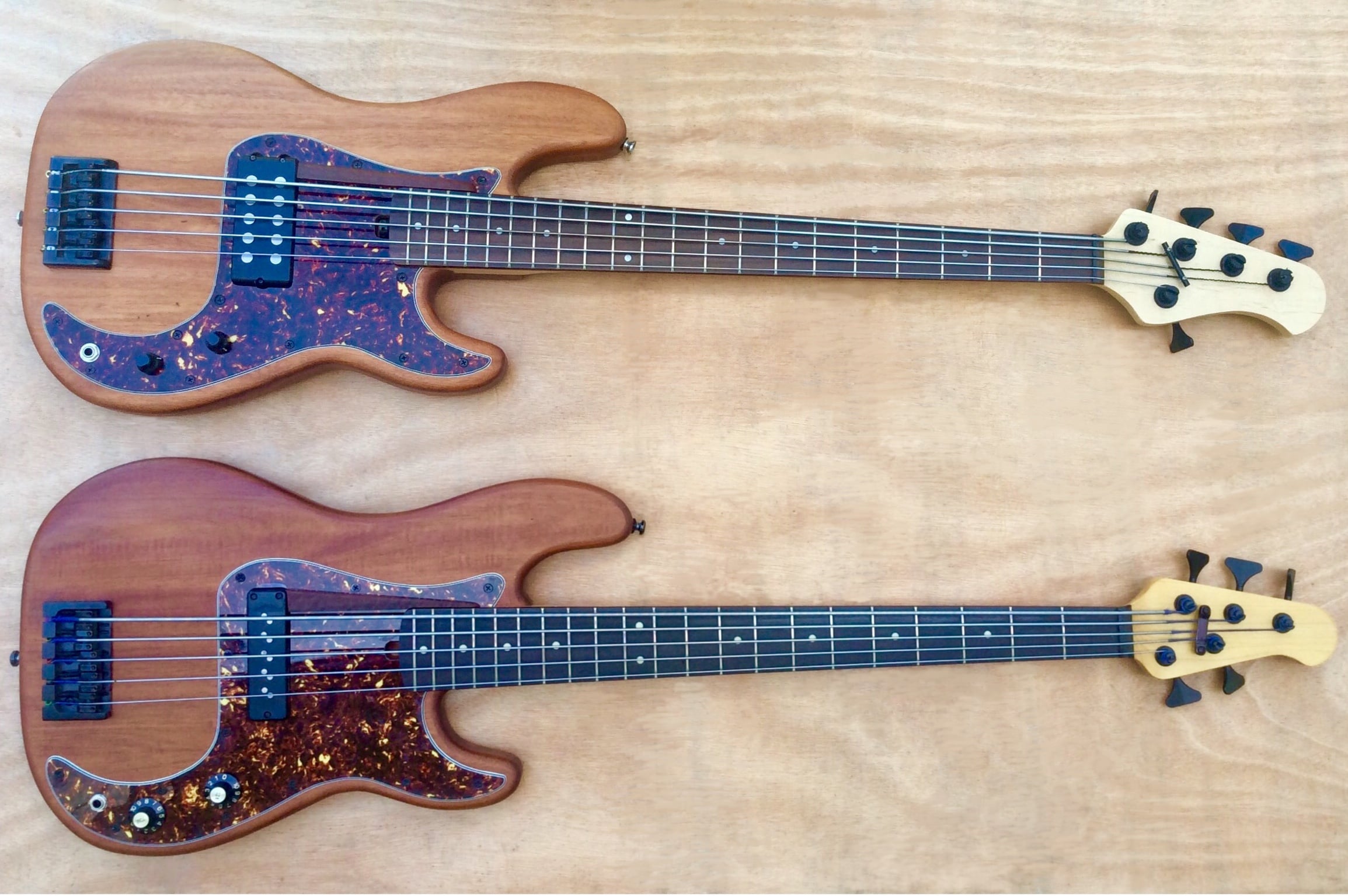
The middle photo is the body of the bottom bass in the second photo. Both basses are Fijian mahogany that have been oiled with an Organ Oil blend of tung, refined linseed, pinewood and citrus oils marketed as Danish Oil. It’s a hard drying oil but won’t give the protection of poly finishes of course but I can live with that. You can see that the first build (bottom) has darkened over time. The photo was taken a while ago and both basses are now the same colour. I love the warmth of the aged finish. I gave them many coats and the bottom bass has an Allparts neck that came raw. After a dozen or so coats it feels silky smooth and is very nice to play.
Last edited:

I’m not building this. It’s being built for me by John Scott at Bluesman Vintage Guitars. 5-string Deville 2T in translucent navy blue.

The bass is au natural no finish at all.

Alder body with 3 layers of white Saman water based tint and 4 layers of Tru Oil with again a satin finish :
And my next body will still be alder with probably a cherry red Saman tint.
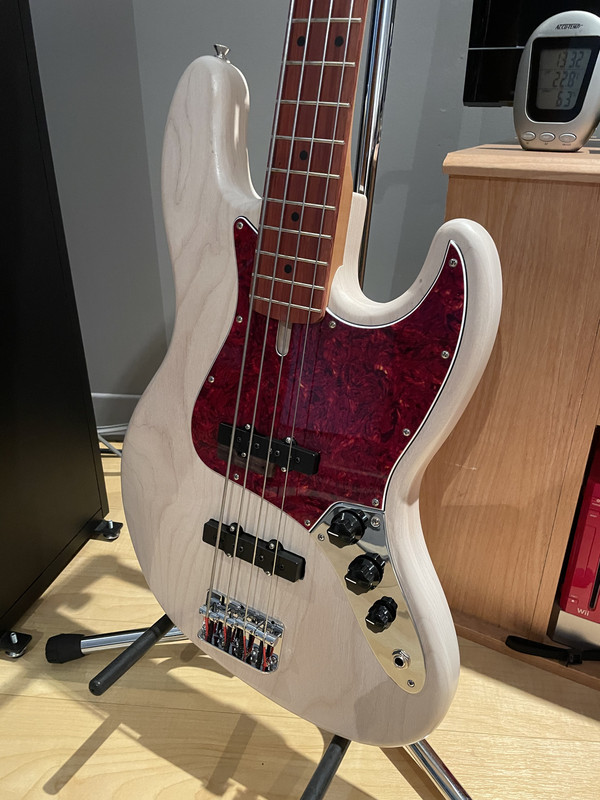
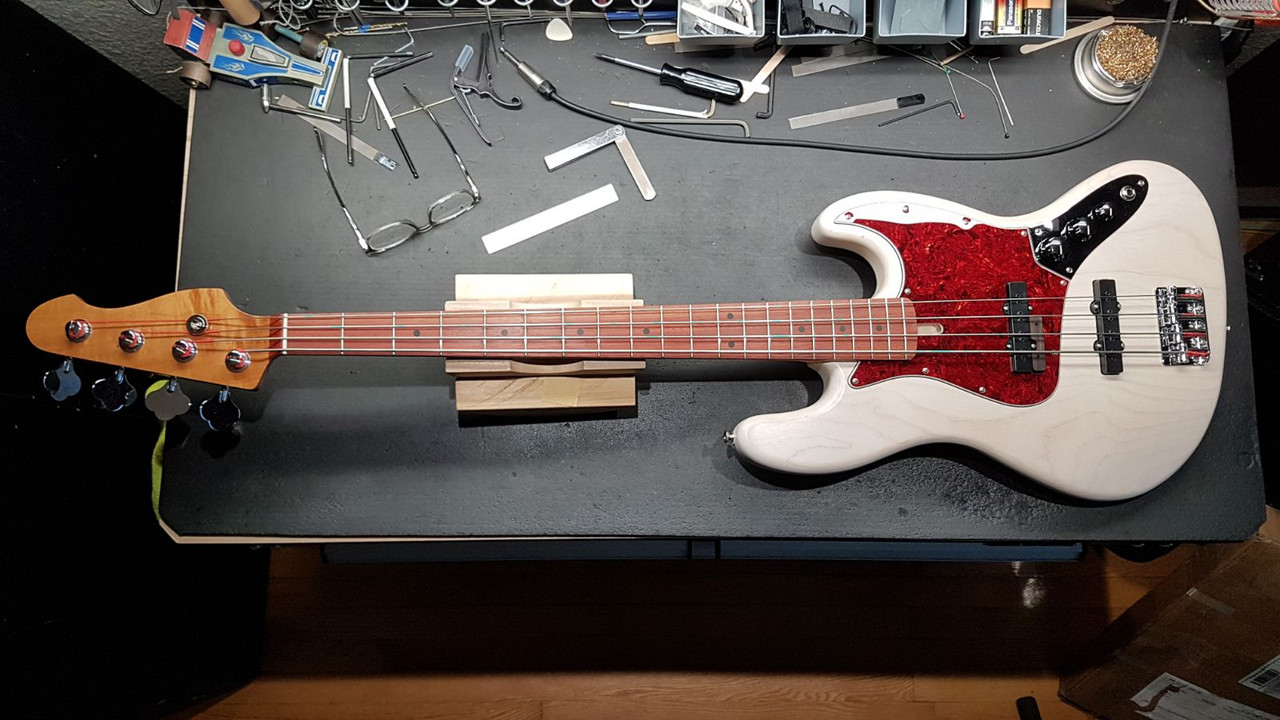
That white is my very favorite grain finish. Perfection in my eyes.

WD body and neck…Warwick style oil/wax finish on ash body and maple neck. Howard’s Citrus Shield paste wax applied in hot, melted form to unfinished wood, followed by the Citrus Shield wax in regular form, then hand rubbed and polished several times. Body and neck were sanded to 2000 grit before application. Smooth, smooth, smooth. Easy to apply, easy to maintain and easy to repair if dings or dents happen.

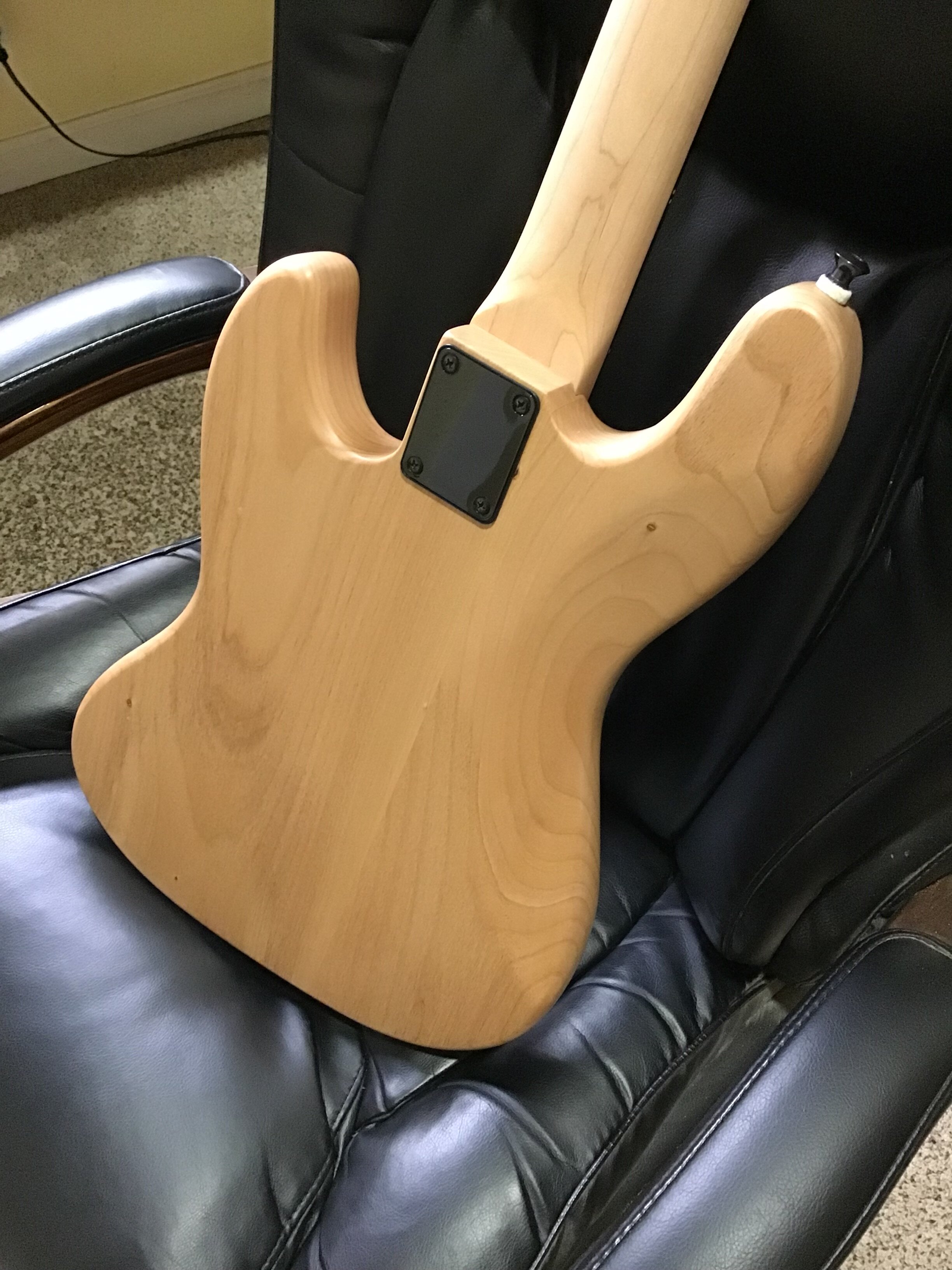
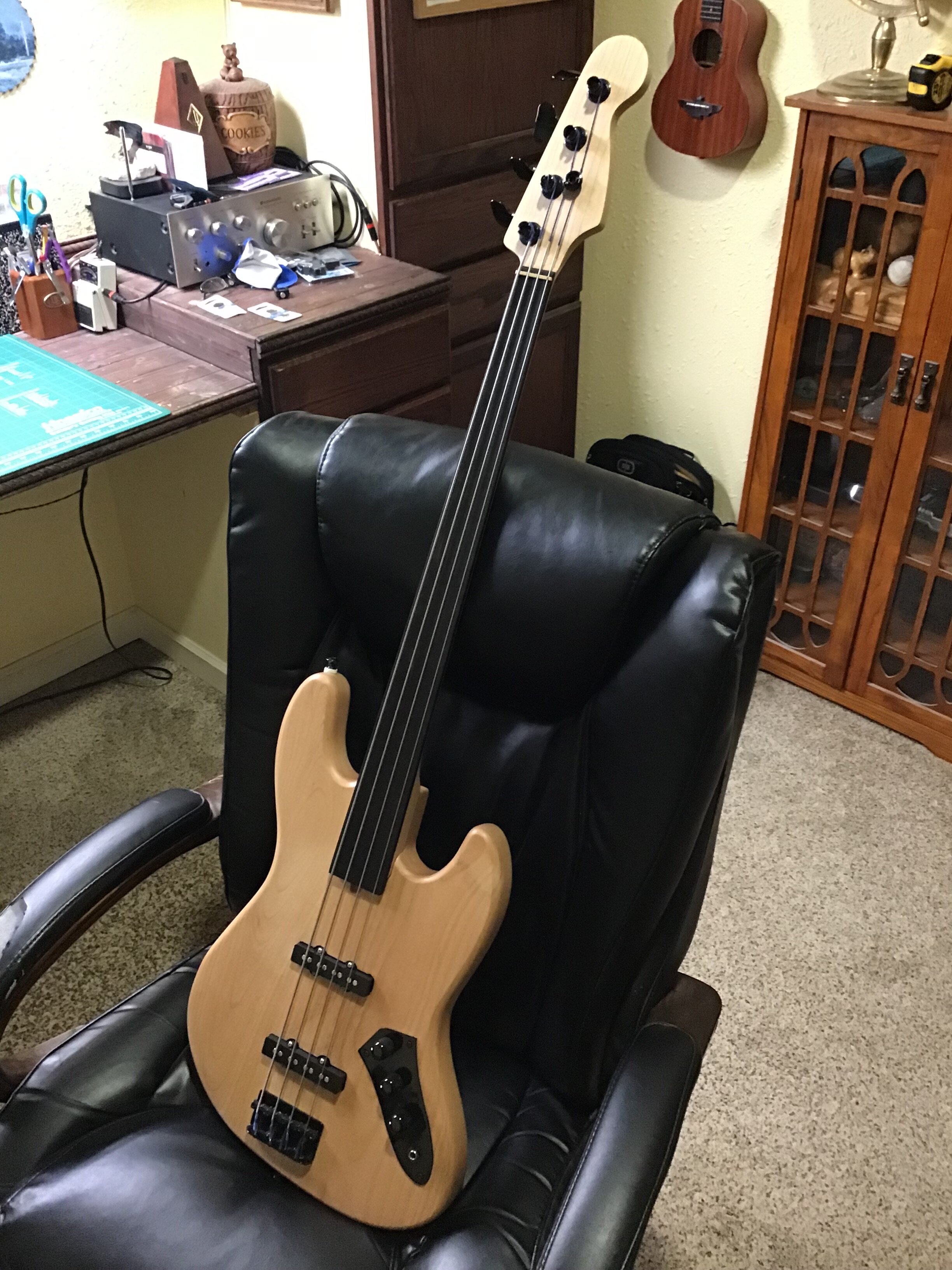

I’d hit it with something really dark, like black then sand back and a second stain with dark blue, or maybe even just black over black.
Also I think that’s just a pencil marked centerline, but if it’s actually your glue joint you should expect that to get way darker than the surrounding wood with any stain applied directly to bare wood.
Also I think that’s just a pencil marked centerline, but if it’s actually your glue joint you should expect that to get way darker than the surrounding wood with any stain applied directly to bare wood.
Last edited:

A hybrid approach:
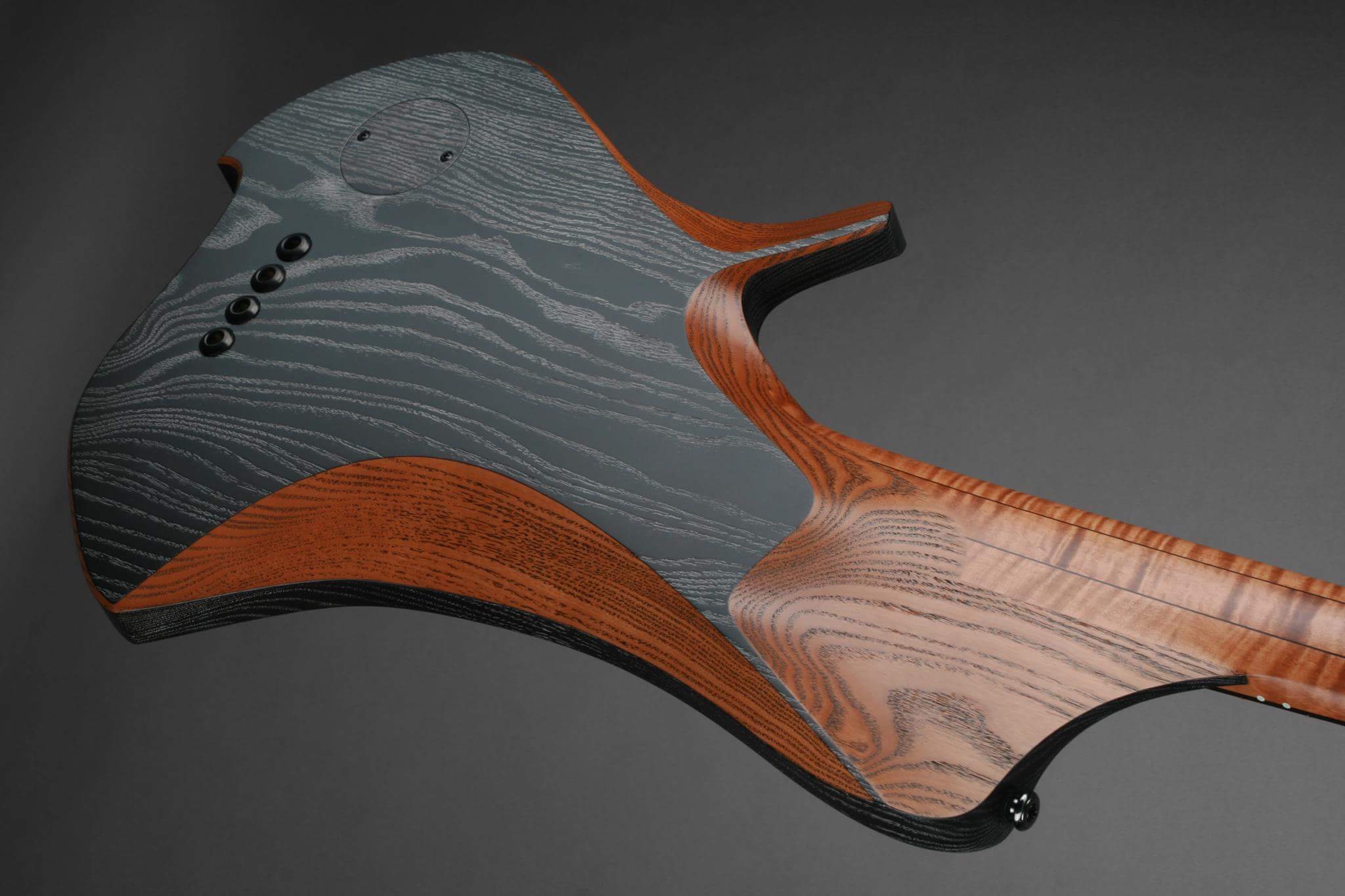
(to clarify, it's my bass but Simon Padalka did the work)
(to clarify, it's my bass but Simon Padalka did the work)
Last edited:
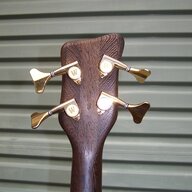
Not sure this qualifies as "plain grain", it's a figured walnut drop-top, but it's just TruOil
I think not. It's effin gorgeous! The back looks even better than the front.


Different routes to similar results, but if you read through the thread, TruOil figures prominently. It's commonly available, easy to apply, gives a decent level of protection, and is easily repaired if you scratch it by scuff sanding and adding more TruOil. My favorite finish, so far anyway. You can control the sheen by how many coats you put on, the more the shinier. Too shiny? Knock it back to satin with a white or grey scotchbrite. I"ve used Watco danish on a bunch of furniture projects, but it never gets beyond a satin finish, takes a long time to fully cure, and offgasses Watco Stink while it dries, for weeks.
For fingerboards, I really like this stuff: Stewmac Fingerboard Finishing Oil
ColorTone Fretboard Finishing Oil - StewMac
It goes on nearly clear and just seals and hardens the board surface without leaving a sticky plastic film. The first coat usually gets sucked right in, but it couldn't be easier, just wipe on, let it sit for a few minutes, wipe off any excess. Let dry over night and repeat. I usually do three coats, that's the only finish on the fingerboard of the walnut Ric clone I posted previously. it should be a one time process, but if it eve looks worn, I'll just put ona another coat.
For fingerboards, I really like this stuff: Stewmac Fingerboard Finishing Oil
ColorTone Fretboard Finishing Oil - StewMac
It goes on nearly clear and just seals and hardens the board surface without leaving a sticky plastic film. The first coat usually gets sucked right in, but it couldn't be easier, just wipe on, let it sit for a few minutes, wipe off any excess. Let dry over night and repeat. I usually do three coats, that's the only finish on the fingerboard of the walnut Ric clone I posted previously. it should be a one time process, but if it eve looks worn, I'll just put ona another coat.
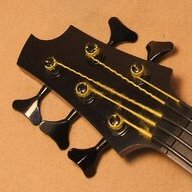

This one is going onto a Swamp Ash body
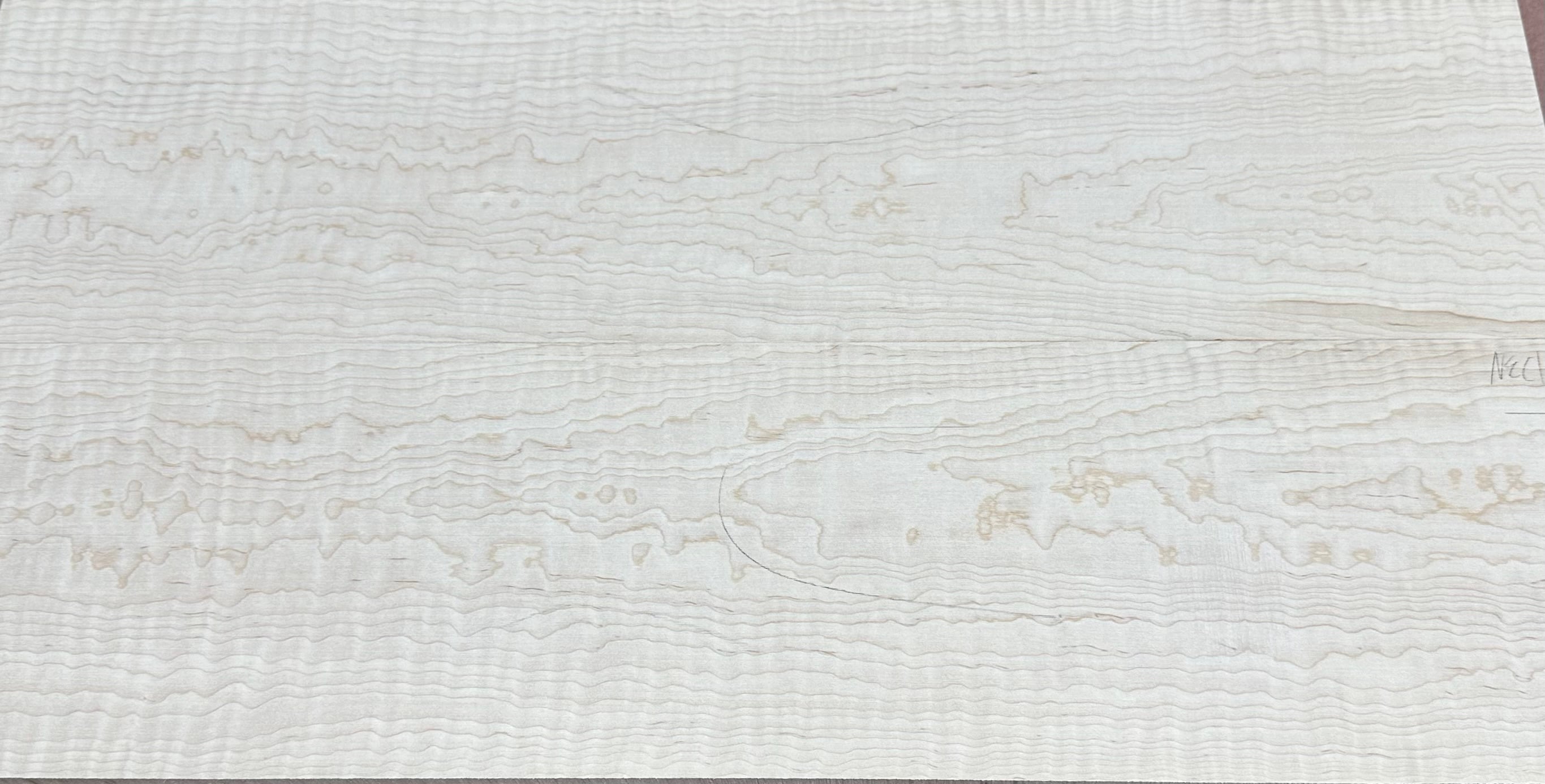
This one will be re-sawed and book matched to go onto a Black Limba body
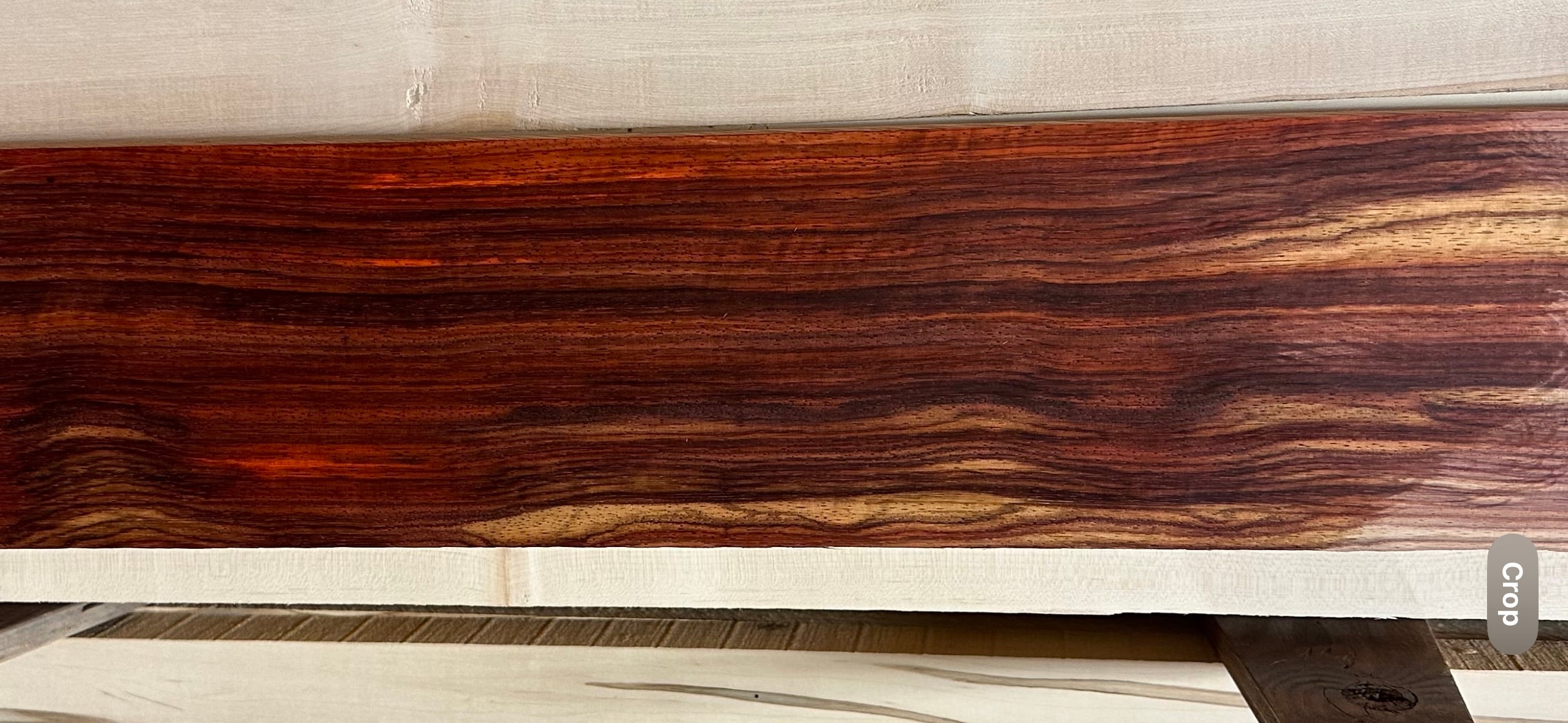
This one will be re-sawed and book matched to go onto a Black Limba body

JazznFunk
Supporting Member
Wish I had a picture of my StingRay, because in the right light the body is really gorgeous. Lots of depth to the grain and figuring. In the meantime though, this is my 2006 Lakland 55-01. Lots of nice striping in the body, and some quilt in the fingerboard in the right light. From my solo gig this past Saturday, courtesy of local photographer Nick Burrows.



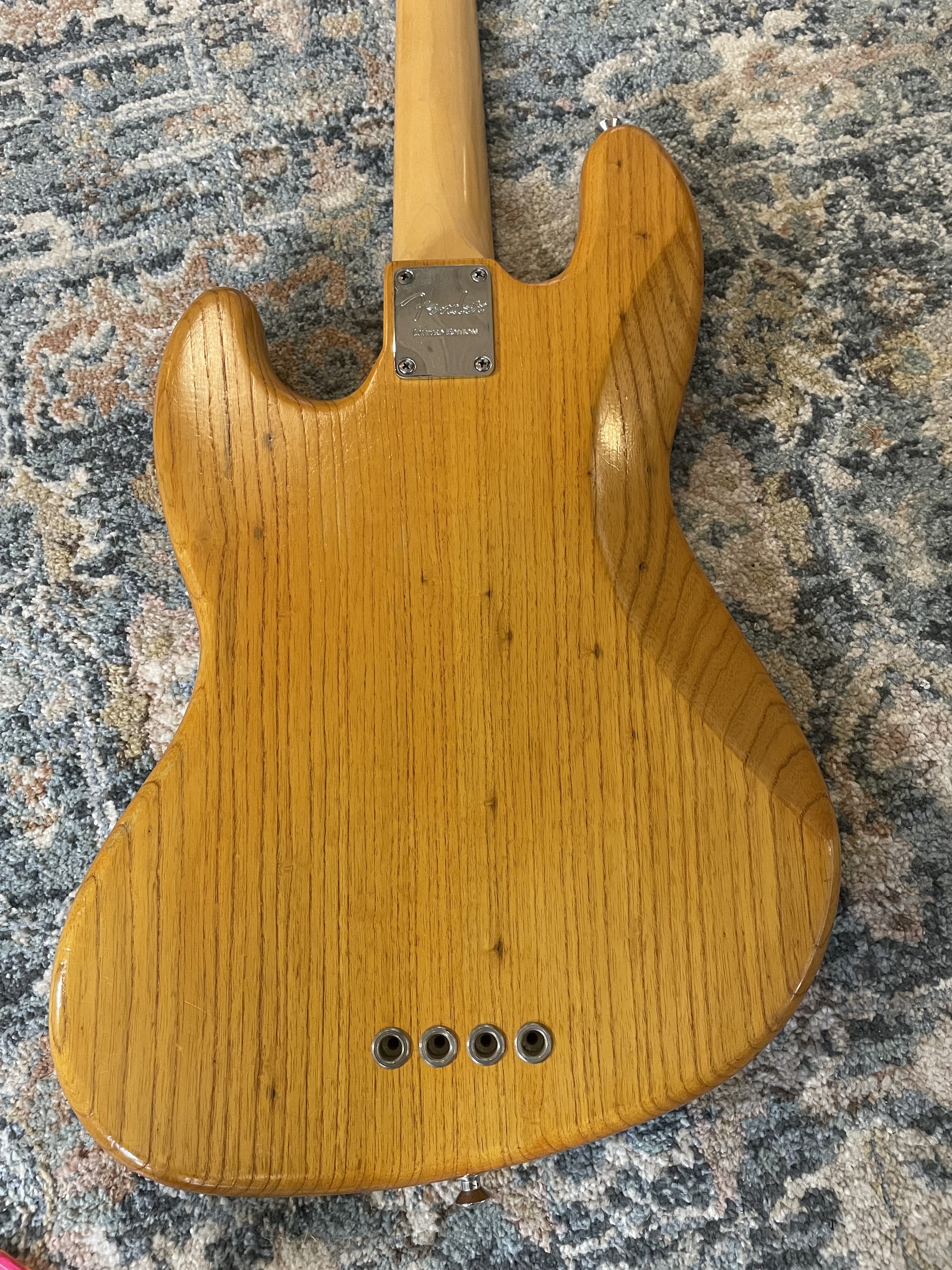
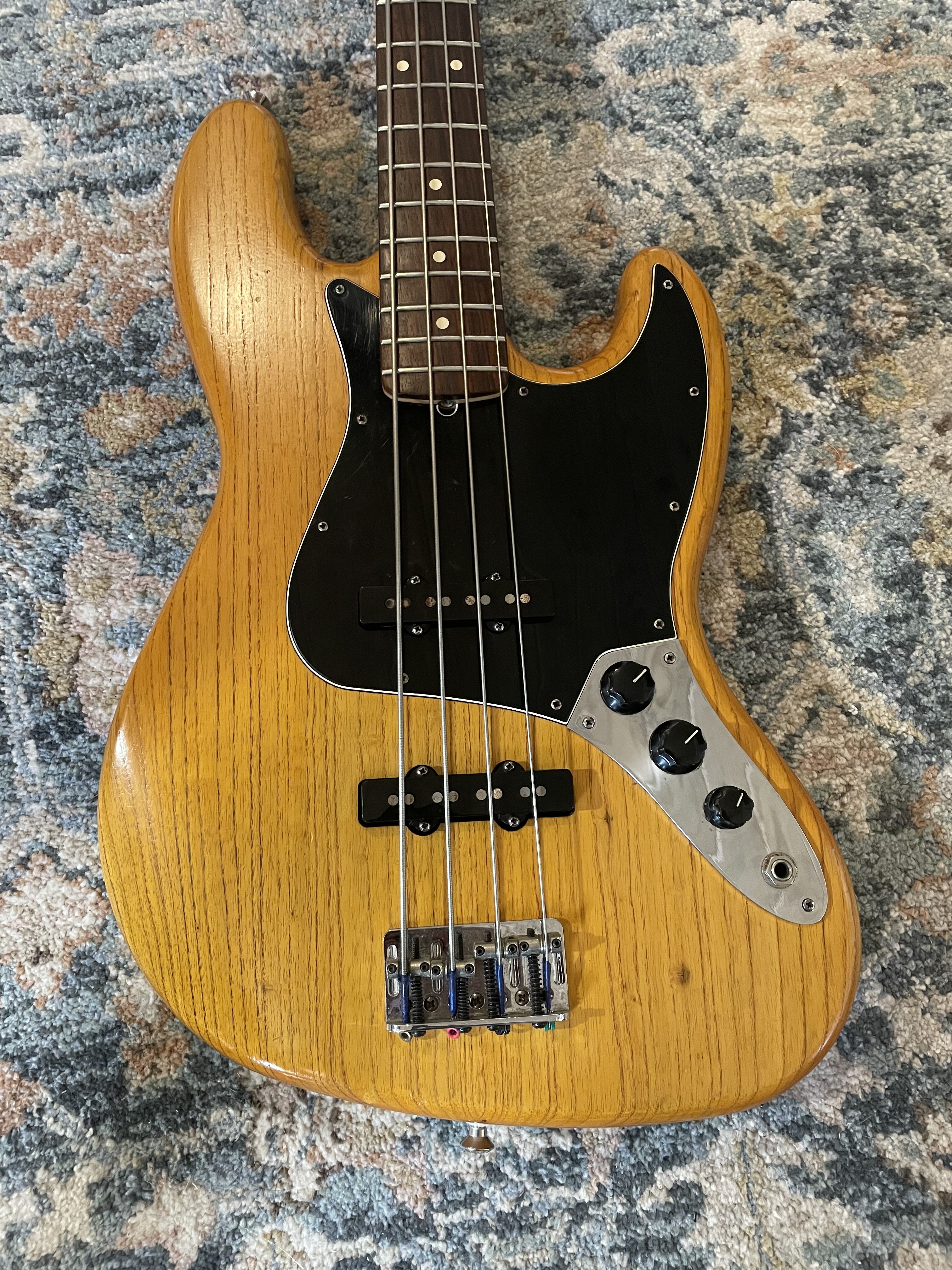
Swamp ash with amber stain and gun oil finish.