
This is decent. I only muffed one note badly. I noticed I only used one finger and that is not good. I am enjoying that real book because it is letting me develop a bit of a Jazz repertoire even if I have no where to use at this moment.

TalkBass has been independent since 1998. Add your voice.
Create a free account to reply to discussions, view embedded media, and browse with fewer display ads.
Join free Log in
Want zero display ads or expanded classifieds tools? Compare plans.
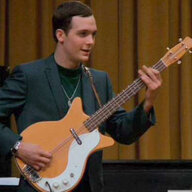

It is very relaxing I feel so positive doing it. There is nothing like improving at something you love.Time well spent.

It also plays them for you. And you can remove specific instruments, like the bass, if you want to try that part. You can also loop them to practice soloing.If you have iPhone or iPad, also check out the iRealPro app. It has all the standards in an easy to use format. It’s a great, portable way to access the tunes.


The iRealPro app is great. I use it all the time for practising and sometimes use it on gigs. The changes aren’t always spot on, but I guess the same could be said of most Fake/Real books.If you have iPhone or iPad, also check out the iRealPro app. It has all the standards in an easy to use format. It’s a great, portable way to access the tunes.
 One of the great things about the app is that you can make changes to charts (as well as make your own charts from scratch). But yeah, an absolutely fantastic practice tool.


This is decent. I only muffed one note badly. I noticed I only used one finger and that is not good. I am enjoying that real book because it is letting me develop a bit of a Jazz repertoire even if I have no where to use at this moment.
This might be useful:
This is decent. I only muffed one note badly. I noticed I only used one finger and that is not good. I am enjoying that real book because it is letting me develop a bit of a Jazz repertoire even if I have no where to use at this moment.
That’s quite a find!GAS... I started playing GAS music on an open back tenor banjo at 10, pops also picked up (what turned out to be) a busted up 1935 era Martin "0" style ukulele for $25 at a 2nd hand shop in 1964. He used fix stuff and went at it with hide glue. I learned show tunes on that. I still have it, and it never needed any follow on repair work.

I’m believe I am reading what see. I know for sure I missed a note on the first video. I honestly think that are significant differences between the various transcriptions and I just have to learn different ones and listen to different versions of the song.It's a 32 bar form AABC and I only hear one A section when I expect 2
Some other problems too. Are you skipping a repeat sign, or few bars somewhere a perhaps?
I'm sorry to pester you , don't mean to be hyper critical.
I've enjoyed seeing your progress videos, and I think its great.
Autumn Leaves was my first Real Book reading / deciphering exercise.
I just pulled out my Hal Leonard Ultimate Fake Book to refresh my grasp of it.
And I discovered how annoyed I am at these condensed songbooks where they
typeset varying numbers of bars to a line. Some lines are 9 bars, some are 7 and so forth.
It makes it very hard to take in at a glance the where AABC sections start and end.
When I started out reading it was a confusing stumbling block.
If I were prepping a standard for a gig, using that book,
I would rewrite it on my own chart in neat 4 or 8 bars to a line
to keep it straight in my brain, and lower the chance of a misstep.
Might be worth grabbing a pencil and clearly marking the end of bars 8, 16, 24 etc.

Check these out for starters, all are classic versions:I’m believe I am reading what see. I know for sure I missed a note on the first video. I honestly think that are significant differences between the various transcriptions and I just have to learn different ones and listen to different versions of the song.


