
Enjoy the benefits of a premium membership!
Upgrade Account
-
TalkBass has been independent since 1998. Add your voice.
Create a free account to reply to discussions, view embedded media, and browse with fewer display ads.
Join free Log in
Want zero display ads or expanded classifieds tools? Compare plans.
You are using an out of date browser. It may not display this or other websites correctly.
You should upgrade or use an alternative browser.
You should upgrade or use an alternative browser.
Question about welding pickups
- Thread starter skaine
- Start date
More options
Who Replied?


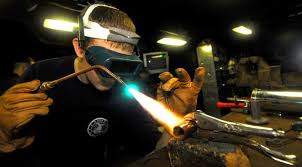
You mean with one of these?
Probably not a good idea.
Probably not a good idea.
A poor solder joint can yield poor output (immediate/drastic changes) or make noise (crackle, pop, buzz) when the wiring moves around, but won’t really affect “tone” in the sense that we typically mean “tone”...like clean, vintage, or modern...
Usually a poor solder joint would be something pretty easy to diagnose.
Usually a poor solder joint would be something pretty easy to diagnose.
The guy in that photo is brazing, not welding...
An example of TIG welding...
The guy in that photo is brazing, not welding...
An example of TIG welding...
View attachment 3284698
So then yes OP, by all means, weld your pickups.

The sign of a good solder joint is that it is one smooth glob, not globs stacked up, no matter if it’s more than needed, and is SHINY silver. if you see a dull grey whitish color, the joint parts didn’t get sufficient heat to get a good bond and therefore the connection will be poor.
I was the only person in the theatre laughing at this...no one else “got it”.

Maybe its a dumb question, i have no experience in electronics, guitar tech charge a lot of money only for welding two cables here. So i tried to weld the pickup by myself.
The question is i wonder if welding the pickup wrongly affects the tone or output of the bass?
Okay....I have to know....did you actually weld the wires or did you solder them? If you welded them, then please show us pictures!

A poor solder joint can yield poor output (immediate/drastic changes) or make noise (crackle, pop, buzz) when the wiring moves around, but won’t really affect “tone” in the sense that we typically mean “tone”...like clean, vintage, or modern...
Usually a poor solder joint would be something pretty easy to diagnose.
The sign of a good solder joint is that it is one smooth glob, not globs stacked up, no matter if it’s more than needed, and is SHINY silver. if you see a dull grey whitish color, the joint parts didn’t get sufficient heat to get a good bond and therefore the connection will be poor.
Yes that was the answer i was looking for, thank you guys. It seems i have to improve my vocabulary also




Those may be cold joints.Here is the picture of the soldering work. Red triangles point the cables of the pickup.

Those look a little “blobby”. Here’s a video that might help:Here is the picture of the soldering work. Red triangles point the cables of the pickup.

Here is the picture of the soldering work. Red triangles point the cables of the pickup.
I would get hold of a soldering iron and reheat those/melt them again to see if I could get a better joint made. An iron for this would be inexpensive and a good starter project if you are inexperienced.
It almost looks like some of the wire coating melted into the flow of the solder, which is fairly common starting out. Be sure to make sure the wire is adequately stripped of its coating or at least out of the way. It can melt into it, thus rendering less than optimal connectivity. Also important is keeping the iron clean of anything that isn’t the component itself, or a little solder. When it comes into contact with anything else, that stuff can stick to the tip and muck things up pretty good of it’s not addressed.
Agreed. Reheat and reflow them. Heat your iron and wipe it clean with a wet cloth or sponge. Melt a bit of solder on it. Start with the lug. Support the wires so they don’t move on you. Have some solder ready if needed on the but you shouldn’t need more joint. Touch the iron to the metal lug ON THE END, right beside the solder for two seconds. Then slighly move it to touch the solder. As soon as it flows take the heat away. Do the same on the ground connection. Let it cool and check if it’s shiny silver.Those may be cold joints.
A good solder joint will be shiny and smooth not lumpy.

wmhill
Inactive
- Aug 20, 2012
- 4,054
- 17,209
- Disclosures
- MTD basses endorsed artist Bartolini pickups emerging artist TECAMP bass players gear endorsed
Hack jobHere is the picture of the soldering work. Red triangles point the cables of the pickup.


