
one of there best albums in a long time. I honestly think it sounds better on vinyl. I listened to the whole thing on headphones last night & I can tell a difference on the vinyl release. Overall though its a great album

TalkBass has been independent since 1998. Add your voice.
Create a free account to reply to discussions, view embedded media, and browse with fewer display ads.
Join free Log in
Want zero display ads or expanded classifieds tools? Compare plans.

Vapor Trails was good too, IMO - and I have some MP3s made from the vinyl that sound somewhat better than the CD. A big problem with both of the recordings is the density of the mix, and likely the recording of the drums.one of there best albums in a long time. I honestly think it sounds better on vinyl. I listened to the whole thing on headphones last night & I can tell a difference on the vinyl release. Overall though its a great album
Vapor Trails was good too, IMO - and I have some MP3s made from the vinyl that sound somewhat better than the CD. A big problem with both of the recordings is the density of the mix, and likely the recording of the drums.
I agree, and I've read that case study. I can't find it anymore, the site that used to host it is gone, but it had a very objective analysis of Vapor Trails' compression properties versus older Rush albums.The issue with Vapor Trails was the massive overuse of compression and 'maximizing'. That particular record is pretty much THE example for what happens when you take all the dynamics out of a recording: it becomes utterly unlistenable.
And it's a shame, because the few times I listened to my copy I really liked the songs and the performances, I just could not get past the fact it made my ears hurt.
The issue with Vapor Trails was the massive overuse of compression and 'maximizing'. That particular record is pretty much THE example for what happens when you take all the dynamics out of a recording: it becomes utterly unlistenable.
And it's a shame, because the few times I listened to my copy I really liked the songs and the performances, I just could not get past the fact it made my ears hurt.
Have you all tried listening to it on a surround sound system?

The mastering was only one issue. The mix is also really bad and contributed to the horrid sound. That's why for that 3rd hits package (the Atlantic one - Retrospective 3 I believe) they remixed two songs - it was the only way to go back and fix things. A simple remaster won't fix all of the issues with VT.


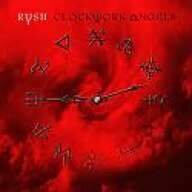
xUptheIronsx said:have listened to it about 20 times now. Starting to really stick in my head now. All of the talk of mixing and mastering is making my head swim though...I guess I am not as picky about what the albums sound like...

This. I do think the mix is crowded at times, but it really doesn't bother me.have listened to it about 20 times now. Starting to really stick in my head now. All of the talk of mixing and mastering is making my head swim though...I guess I am not as picky about what the albums sound like...
OPBASSMAN1994 said:I can't wait for the tour! String section + Rush should be epic.
Their actually doing the string section thing?