Yeah, I had knee replacement surgery last year and 1) had my bandmates carry all my stuff and the PA and 2) I sat in a chair and played a few gigs. I recommend the same.
I don't have knee issues but might try this anyway... Such a good idea


TalkBass has been independent since 1998. Add your voice.
Create a free account to reply to discussions, view embedded media, and browse with fewer display ads.
Join free Log in
Want zero display ads or expanded classifieds tools? Compare plans.
Yeah, I had knee replacement surgery last year and 1) had my bandmates carry all my stuff and the PA and 2) I sat in a chair and played a few gigs. I recommend the same.

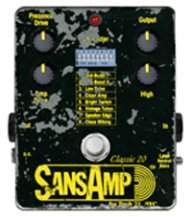
…Is it possible to use just my bass into my effects pedal, into either a Sansamp Para Driver DI…

I would echo this as well. I have two cabinets from revsound, one is 21 pounds and the other is 25 pounds., A 12 and a 15. I rarely need both. Top that with a lightweight head and you're all set.Also sounds like a perfect opportunity to upgrade your equipment to some modern, lightweight amps/cabs for when you need to use that type of setup! Top notch cabs are around 25 pounds now, and amp heads are 5-ish pounds and fit in your gigbag.
Lately I've been using a SVT patch in my B3 and using the DI, no amp. I believe there is also a very good SansAmp patch in there, and MANY custom patches available (lots of really good ones made by TB members). No need to buy anything extra unless you want to, I'd never discourage that either!Hi everyone. I am currently in recovery from a hip replacement surgery I had on July 11,2023, and it looks like I might be able to start playing live again by maybe mid October. My doctor has told me to stay away from lifting over 50 lbs for at least until December. My Accugroove El Whappo bass cabinet weighs approx 58lbs. I have a Carvin R600 redline combo (15,2x10s and a tweeter) which weighs just about the same as the Accugroove, maybe a bit more, Not sure about that one. For amps, I have a Carvin BX1600 and a SWR SM 900. The only pedal I am using currently is the Zoom B3. I had been able to sit while playing for about 7 months before the surgery. I can sit again if I feel I have to this time around. My main problem is lifting my heaviest equipment which is my cabinet. Load in, load-out in and out of my car. Is it possible to use just my bass into my effects pedal, into either a Sansamp Para Driver DI or the Bass Driver DI, into the board/PA? Id be to hear myself through the monitors. Thanks. Hope this is not a stupid question. Cant learn unless ya ask. Thanks. Joe

Thanks JD. Will do.Yeah, I had knee replacement surgery last year and 1) had my bandmates carry all my stuff and the PA and 2) I sat in a chair and played a few gigs. I recommend the same.
Thanks Lowaction. Great idea. GO SEAHAWKSLately I've been using a SVT patch in my B3 and using the DI, no amp. I believe there is also a very good SansAmp patch in there, and MANY custom patches available (lots of really good ones made by TB members). No need to buy anything extra unless you want to, I'd never discourage that either!
LOYAL TRUE BLUE N GREEN SINCE 1978 

Is the BDDI v2 a better choice?
Tons are available used. I prefer v1 myself. Idk why I prefer itYes. Don't believe you can buy v1 new now though even if it was better
Is it possible to use just my bass into my effects pedal, into either a Sansamp Para Driver DI or the Bass Driver DI, into the board/PA?
Thanks Semi. Thank God the guys have helped me load in and load out. Felt useless but Im sure once I heal up Ill be cut no slack anymore lol. Did you have both hips done at the same time?

Tons are available used. I prefer v1 myself. Idk why I prefer it
Thanks Engineer. We have been talking about going in-ear too. Not sure yet.Coming into the conversation late with a slight variation to the SansAmp solution. I'm an older player with spine issues, and gave up my amps a long time ago when moving gear caused more injury than it was worth. Personally, I find I have a better controlled sound using a SansAmp than I ever had from my amps: FOH is getting exactly the tone I want to give them.
A year ago I moved over to the Line 6 HX Stomp: the little guy with 3 buttons. It has a SansAmp model that sounds and works just like the real thing, plus I can add effects to the signal chain all in one tidy package. (A little finishing compression in case the sound guy is just a fader jockey, and an octaver for a couple songs.)
So now I show up with a tiny pedal board with my HX stomp and wireless on it, and play using in-ear monitors. Load in and load out is just the bass and pedalboard, and I'm ready to go in less than 10 minutes.
The surprising part is the feedback from audience and other players who regularly compliment my bass tone and are surprised that there's no amp on stage. Truly, I wish that I started with this kind of setup, but guess I had to evolve into it.
Transitioning away from using an amp took a little time. For me, I was very used to the sheer body-shaking volume of my old rig, so it felt strange for a few weeks to only be hearing it and not feeling it. But now I would not have it any other way.
My chiropractor is not happy with the choice, however. I'd not seen him for years.
Wow! I cant imagine going through that twice. What approach did they use on you? It was Anterior for me.Almost — RH in September and LH in December. Close enough! Most doctors won't replace both hips nowadays (somewhat more common awhile years ago from what I understand).
Wow! I cant imagine going through that twice. What approach did they use on you? It was Anterior for me.


I too prefer V1 after having had both versions.
BASS & TREBLE: Unlike passive controls that only cut, these active
tone controls cut or boost ±12dB from unity gain (12 o'clock). This powerful
EQ section effectively reduces the need for a fixed frequency mid control and
enables you to achieve an extensive variety of curves --including a "mid-cut" as
well as a "mid-boost."
Adjusting Mid-Range Content: The mid-range level is preset.
Boosting Bass and Treble yields a "mid-cut" (at 750 Hz) where the relative
mid-range level is lower than the Bass and Treble frequency levels. Cutting
Bass and Treble yields a "mid-boost" (at 750 Hz) where the relative mid-range
level is higher than the Bass and Treble frequency levels. NOTE: The overall
output level will change relative to your EQ settings. Simply adjust the Level
control accordingly.
MID, BASS & TREBLE: Unlike passive controls that only cut, these
active tone controls cut or boost ±12dB from unity gain (12 o'clock).
NOTE: The overall output level will change relative to your EQ settings.
Simply adjust the Level control accordingly to compensate.
MID SHIFT switch changes the frequency from 500 Hz (up position) to 1000 Hz.
BASS SHIFT switch changes the frequency from 40 Hz (up position) to 80 Hz
to accommodate 5- and 6-string basses that extend into the lower registers.