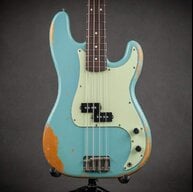
Thanks, the same ballpark... if possible, I prefer a pound less.Ha, I think two's enough for me
The both weigh about 3.8kg, quite weighty for short scales I guess, but not too heavy for me

TalkBass has been independent since 1998. Add your voice.
Create a free account to reply to discussions, view embedded media, and browse with fewer display ads.
Join free Log in
Want zero display ads or expanded classifieds tools? Compare plans.
Thanks, the same ballpark... if possible, I prefer a pound less.Ha, I think two's enough for me
The both weigh about 3.8kg, quite weighty for short scales I guess, but not too heavy for me
One schematic collection shows a 68n cap. I can check mine later. 47n is a standard value.but what cap should I solder to it, .02, .05 or .047, is it needed or it came stock as in the picture?
Where did you find schematics in GermanThe wiring is pretty odd. It seems like it is wired with the two pots in series: the vol pot controls the black wire and the tone pot controls the white wire. The pickup sees both pots in series, so the max value is 500k. With this high value and no cap at all in the way, the bass should sound pretty punchy and bright.
here is the standard schematic:
View attachment 4485672

Wow, Hi, thank you very much indeed for your help, and your support, which one do you prefer 68n or 47n? Or do you agree to keep it like that?One schematic collection shows a 68n cap. I can check mine later. 47n is a standard value.
Great work on the bass!
That is awesome and thorough, thank him for his effort and for sharing.A german guy took the effort to compile hundreds of schematics:
there is a thread from 2013 here on TB Cadfael's Collection of bass wiring diagrams and a current proper link to the pdf is in #116 of that thread : #116
He also wrote a history of the mustang bass and much more:
Cadfaels Basstelecke - Schaltungen für Bass und Gitarre, Reviews und mehr
... it's always good to be careful......which one do you prefer 68n or 47n?
Thank you very much, so 68n will be, but still, do you use the .02 or .05 somewhere to add protection, or not needed?... it's always good to be careful...
my preference depends on the basses and the sound I am aiming for, I even have one Musicmaster Bass with a 100n cap but usually 68n is fine.
There's no need to protect anything. The capacitor is simply there to filter out the high end. The higher the value, the tubbier the sound.Thank you very much, so 68n will be, but still, do you use the .02 or .05 somewhere to add protection, or not needed?
No. I read about these protection caps between ground and bridge wire, but never used them. Maybe it's from the times of the 50s or 60s, when electrical installation in venues was a life risk...Thank you very much, so 68n will be, but still, do you use the .02 or .05 somewhere to add protection, or not needed?

Wow, Hi, thank you very much indeed for your help, and your support, which one do you prefer 68n or 47n? Or do you agree to keep it like that?
as well I read that basses should use a .02 or .05 for electrocution protection, do you know about it, is it needed?
A lot of work, but I enjoy, to see those instruments being used and in a proper care, knowing that, are not museum pieces, but at least if you own it, play it and enjoy, and as long as you can, clean it and take care of it, so it can take care of you, when needed. Take care.
Interesting, yours is a 47n cap. I will check mine as well.Not sure if this is helpful anymore. This is a photo of my Squier MM wiring. The only change to mine was the body refinished since it was in pretty bad shape when I got it.
View attachment 4487998
How do you know the value of the cap from that picture? Black magic!Interesting, yours is a 47n cap. I will check mine as well.
PS: mine has a 47n as well. same flimsy wiring as yours...
View attachment 4488312
2A473K = 47n ;-)How do you know the value of the cap from that picture? Black magic!
How do you know the value of the cap from that picture? Black magic!
PS: mine has a 47n as well. same flimsy wiring as yours...

Doesn't work on my Mac, that's why I was surprised someone could read the code off the cap.On the photo I posted, you can hold down CTRL key and then scroll on your mouse to make the photo larger and you can read it.
Doesn't work on my Mac, that's why I was surprised someone could read the code off the cap.
Hi, thank you for your help. Take care.No. I read about these protection caps between ground and bridge wire, but never used them. Maybe it's from the times of the 50s or 60s, when electrical installation in venues was a life risk...
Hi, of course it helps, thank you very much, and interesting none of the pickguards I've seen have shielding surrounding the coil space, n or all of the cavities.Not sure if this is helpful anymore. This is a photo of my Squier MM wiring. The only change to mine was the body refinished since it was in pretty bad shape when I got it.
View attachment 4487998