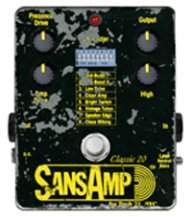
I'm glad I just found this thread, having recently purchased the VT DI.
In another thread I started about the bite button, I got a reply from tech21nyc that provides a bit of info you all might also be interested in, so I will quote it here:
"The "bite" button on the VT Bass DI adds the subsonic filter and presence boost that is part of the VT Bass' signature sound. When bypassed, the subsonic filter and presence boost is removed. The sound now becomes more full range.
The speaker sim on the VT Bass DI is the same circuit that is on the original and V2 units. When bypassed however, there is no high cut filter like on the V2 pedals.
These new features enable you to obtain sounds that are not available on the V1 and V2 VT Bass pedals.
Keep in mind that the VT Bass and DI version are designed as amp emulators for direct use but can also be used with a traditional bass or power amp and speaker. Always consider what you are plugging the pedal into. A mixing board is usually a flat response platform whereas a bass amp may have its own EQ contour and many bass cabs are optimized for bass guitar use."
In another thread I started about the bite button, I got a reply from tech21nyc that provides a bit of info you all might also be interested in, so I will quote it here:
"The "bite" button on the VT Bass DI adds the subsonic filter and presence boost that is part of the VT Bass' signature sound. When bypassed, the subsonic filter and presence boost is removed. The sound now becomes more full range.
The speaker sim on the VT Bass DI is the same circuit that is on the original and V2 units. When bypassed however, there is no high cut filter like on the V2 pedals.
These new features enable you to obtain sounds that are not available on the V1 and V2 VT Bass pedals.
Keep in mind that the VT Bass and DI version are designed as amp emulators for direct use but can also be used with a traditional bass or power amp and speaker. Always consider what you are plugging the pedal into. A mixing board is usually a flat response platform whereas a bass amp may have its own EQ contour and many bass cabs are optimized for bass guitar use."



 So you really miss not having that subsonic filter when the bite switch is off? What do you suppose the subsonic filter does, cut low end at some frequency?