• TalkBass has been independent since 1998. Add your voice.
    Create a free account to reply to discussions, view embedded media, and browse with fewer display ads.
    Join freeLog in
    Want zero display ads or expanded classifieds tools? Compare plans.

Thunderbird Club

ohh great just what I needed….


More projects….


I
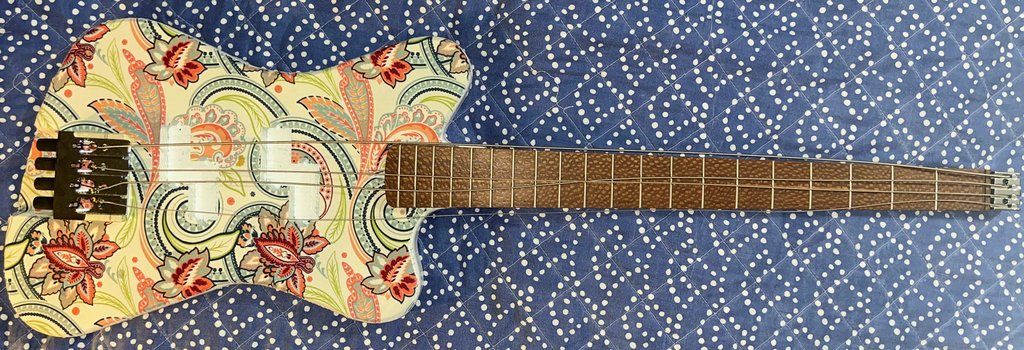
do believe I’m shooting the base coat on the DC telecaster tonight…

I am going with the blue/yellow flowers on the DC, the headstock turned out absolutely perfect with the surf/pink, but it was a test run to see if I needed a base coat, and the grain shows through just enough to be annoying..
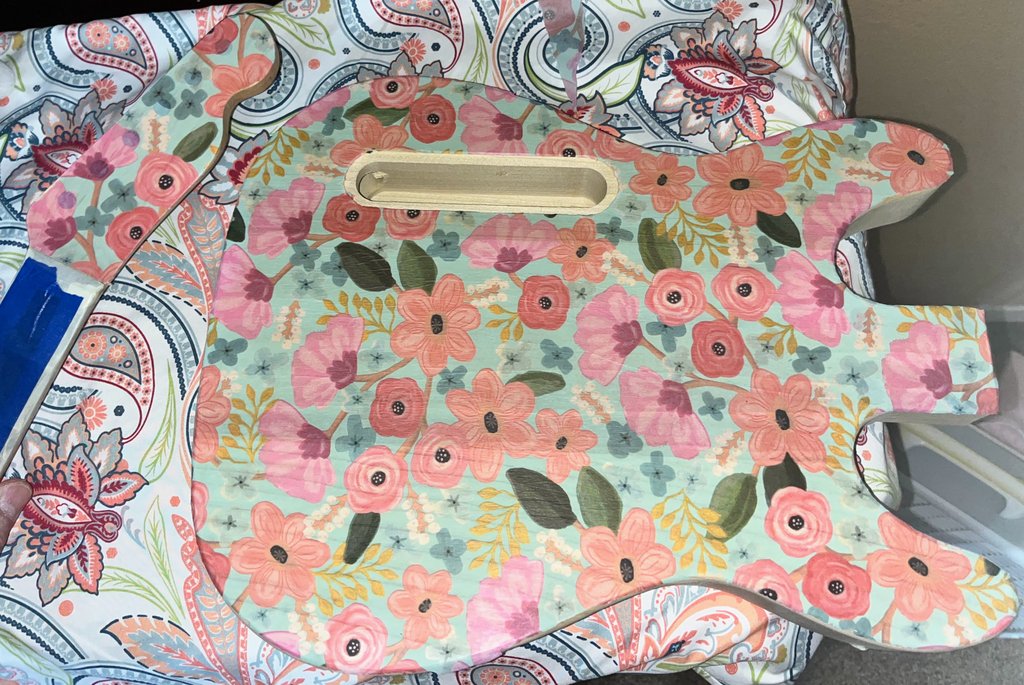

I really dig that NR. What kind of fabric?
 
I really dig that NR. What kind of fabric?

it was a $.99 pillow case I found in a thrift store, it did have London Fog tag in it, so it must be fancy…. Some kind of a satiny feel to it.

gonna need a lot of clear coat…

IMG_3063.jpeg


Last edited:
Ok, let me rephrase....
I don't feel like asking the question every time I see something and would prefer to just digest it all in one swoop.

Can someone put together an info sheet of popular acronyms or abbreviations as well as a list of some of the more popular models to learn about the differences?

This Wiki will help with some information: Gibson Thunderbird - Wikipedia
 
Is there a T-Bird primer somewhere around here so I can learn the lingo? VI, IV, CP, DP, ETC. Which pickups go where? A general info sheet, if you will, of Thunderbird things.

For the record, there is no VI that I'm aware of. IV gets used as the model with two pickups, but also as the number of strings on some Epis, especially when they made a V as well. A VI could be number of strings or it could be three pickups. There's a gorgeous three pickup in an avatar here (it plays as good as it looks). I have wanted to make a three pickup as a VI from before I knew anyone else had done it, but I've been slacking off on that for quite some time.
 
This Wiki will help with some information: Gibson Thunderbird - Wikipedia

I'll reiterate - for those who have issues with anything there, or wish certain information was there - if you don't want to edit it yourself, send me your concerns or info. We'll talk and I will happily handle the editing.
 
I know what you're saying. There is a certain level of belief that nitro lacquer somehow affects the sound and makes an electric guitar better. I just like the way it checks and wears. It's really an inferior finish compared to modern choices.

If you look at the water based acrylic finishes on Rick's drums, they don't look like plastic coating at all.

Epiphone uses polyurethane finishes, which I believe are oil based. (I stand to be corrected). They are thick! And tough! My Casady and VP have beautiful finishes. On my Epi Explorer it's very apparent how thick the finish is because one of the points has a big chip out of it. It does look like plastic on that one.

Lacquer also comes in acrylic and nitro. And modern nitro is different from the stuff they used in the 60's.

True on all counts. I also like the way lacquer ages with amber'ing and checking. On my DIY finishes which start with a rattle-can colour, I shoot a couple thin coats of clear satin lacquer on top to achieve that result. It's also easier to repair/blend into. Some of the newer finishes are a poly-resin and incredibly difficult to remove. Lacquer started off on guitars because cars were done like that. The goal on both was to create a durable finish. On carved instruments (violins, cello's, double basses), the seal-coating was critical to their sound and were usually varnishes of secret formula developed by their maker. Acoustic guitars/basses are somewhat in that neighborhood, but sold-body guitars/basses are not. The ('70s) too-thick early acrylic finishes added weight and looked bad, but how it effected tone is debatable. Most people want their instrument to look good which means a durable finish. As much as makers have catered to the "lacquer is better" contingency offering some products in that coating - their goal is still centered on durability. An finally, lacquer is toxic - so there's that.
 
Right on. Thank you kindly.

That doesn't really cover all the little abbreviations that get tossed around here, so, should questions arise, we encourage asking and no one here is going to say anything negative. :thumbsup: