A few things that you may already know but are nonetheless important:
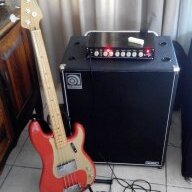
1) Make sure your gear is functional/ready to go. It sounds obvious, but you'd be surprised how many people go into a studio setting to record with loose output jacks, old strings (unless of course that's part of your sound) etc. I like to have my bass/guitar freshly strung, tuned, and played a bit to settle the strings.
2) Practice to a click if the band plans on using one (you might already be doing so.) I've been that guy who thought my timing was pretty solid until I started the recording process with a metronome. It can take some getting used to, using/listening/recording to a click but once you get it, it's gravy.
3) Be open to suggestions/changes! Sometimes a riff or part sounds great in a rehearsal room live, but once it's tracked it might not sound the same. If you're working with a (good) producer they can usually hear these parts and will suggest something different. Just keep your ears open and don't be afraid to tinker if a riff doesn't sound right.
Aside from that just have fun! I know I learned a lot about technique and dynamics during my studio time since you can hear pretty much EVERYTHING in the studio- errant notes, electronics hum, other strings vibrating, premature notes, etc. I will definitely be a learning experience!