
Enjoy the benefits of a premium membership!
Upgrade Account
-
TalkBass has been independent since 1998. Add your voice.
Create a free account to reply to discussions, view embedded media, and browse with fewer display ads.
Join free Log in
Want zero display ads or expanded classifieds tools? Compare plans.
You are using an out of date browser. It may not display this or other websites correctly.
You should upgrade or use an alternative browser.
You should upgrade or use an alternative browser.
Tone
- Thread starter Honkey tonk
- Start date
More options
Who Replied?

What is tone ? Is it the tweeking of ots and nots or is the manipulation of voltages or is it mechanical ?
Where does the good tone come from .
Oh, catch that buzz
Tone is the drug I'm thinking of
Oh, can't you see
Tone is the drug for me


The groove comes from the heart, and the tone comes from the soul.



What is tone ? Is it the tweeking of ots and nots or is the manipulation of voltages or is it mechanical ?
Where does the good tone come from .
Many great posts on this thread.
Tone is the intersection of gear, the project your are working on, and taste. Whether it is good or not is the opinion of the beholder. An opinion that is often based on the fashion of the day.


- Jun 6, 2012
- 4,837
- 6,859
- Disclosures
- I don't wait 30 minutes after eating, to go swimming.
Tone is a guy who likes funky, cold medina and doin' the wild thang.

Good tone is a combination of nut width, pick guard and "Jaco only needed..."
Or practice. But that takes longer.
Or practice. But that takes longer.


This is good! I missed the sparkle portion for years then found it. Not only in my bass guitar sound but in FOH mixing. It is a game changer.Tone is a rare combination of mojo, spank, drive, grunt, and sparkle. The lack of any one of these ingredients leads to lack of tone. Fiddling about on your knobs can both help and hurt your tones.
Tone.. the Amalgamation of...
Wood, Steel (metal maybe better word choice) Electronics aka.. Equipment.
plus
The integration of Time/Space and the manipulation of sound waves via one's physical ability and/or limitations -Gifts- plus one's creativity, some luck and ofc accessibility to equipment in order to use the aforementioned 'collectives' (equipment and gifts) to amalgamate and emit 'sounds' form said 'equipment' via the 'gifts' on/into the equipment(s) one possesses, or has access to.
Disclaimer. The aforementioned will be interpreted differently from person to person. and IMO there is no right answer, but there are some agreeable points and conclusions that many will have in common.
Wood, Steel (metal maybe better word choice) Electronics aka.. Equipment.
plus
The integration of Time/Space and the manipulation of sound waves via one's physical ability and/or limitations -Gifts- plus one's creativity, some luck and ofc accessibility to equipment in order to use the aforementioned 'collectives' (equipment and gifts) to amalgamate and emit 'sounds' form said 'equipment' via the 'gifts' on/into the equipment(s) one possesses, or has access to.
Disclaimer. The aforementioned will be interpreted differently from person to person. and IMO there is no right answer, but there are some agreeable points and conclusions that many will have in common.
Can you hear the notes the bass player is playing in the mix? That's good tone. That's all I care about.

JeezyMcNuggles
Inactive
- Feb 23, 2018
- 14,723
- 20,970
- Disclosures
- I suck, but nobody really notices
It's your sound. It comes from a mix of you, your strings, your pickups, your pots, your eq, your woods, and you.What is tone ? Is it the tweeking of ots and nots or is the manipulation of voltages or is it mechanical ?
Where does the good tone come from .
- Feb 5, 2013
- 1,686
- 2,281
- Disclosures
- Endorsing Artist: Used Fender Lead Sleds and Hartke cabs with bent grills
Dunno about bass ... but on a guitar it comes from the heart thru the fingers. I'd rather hear Billy Gibbons bend one note than watch Joe Bonamassa run up and down the fingerboard all night.

Tone - Wikipedia see "Sound and Music"
Tone is the interaction of the musician and the instrument, filtered through other components in the chain.
In most practical terms, it starts with what strings you choose and how you choose to play them (technique; tone is in the fingers). The bass itself will filter out certain frequencies, and perhaps reinforce others. This depends on things like construction, woods, scale, etc...
Then the pickup or pickups will read the string motion, and convert it to electric signal; in the process, the pickup location or locations (and phase cancellation!), combined with pickup frequency response will further color the sound. Any additional components will further color the sound, like passive or active electronics.
And then you have all the rest of it, like pedals, amps, speakers... room acoustics, listener's ears and position in the room, their hearing, their psychology/state of mind, etc.
Tone is the interaction of the musician and the instrument, filtered through other components in the chain.
In most practical terms, it starts with what strings you choose and how you choose to play them (technique; tone is in the fingers). The bass itself will filter out certain frequencies, and perhaps reinforce others. This depends on things like construction, woods, scale, etc...
Then the pickup or pickups will read the string motion, and convert it to electric signal; in the process, the pickup location or locations (and phase cancellation!), combined with pickup frequency response will further color the sound. Any additional components will further color the sound, like passive or active electronics.
And then you have all the rest of it, like pedals, amps, speakers... room acoustics, listener's ears and position in the room, their hearing, their psychology/state of mind, etc.
Turnaround
Commercial User
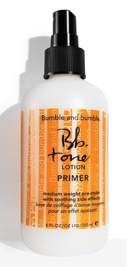
Tone is now available in a bottle. Unfortunately only available in Bflat.
Latest posts
-

-

-
 Eden Nemesis vs World Tour tone - Why did I like the Nemesis better?
- Latest: staccatogrowl
-

