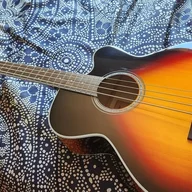
pretty neat. Can you put upright strings on a regular bass?

Enjoy the benefits of a premium membership!
Upgrade Account
-
TalkBass has been independent since 1998. Add your voice.
Create a free account to reply to discussions, view embedded media, and browse with fewer display ads.
Join free Log in
Want zero display ads or expanded classifieds tools? Compare plans.
You are using an out of date browser. It may not display this or other websites correctly.
You should upgrade or use an alternative browser.
You should upgrade or use an alternative browser.
Upright bass strings on bass
- Thread starter GC34
- Start date
More options
Who Replied?

Yes you can, but you will either have to have a lot of wraps past the tuner like in the image above or else cut the string a good bit. In either case getting the string loaded into the tuner is going to be a challenge. It would be easier to load electric bass strings onto a 1/4 size upright bass.
Why do you want to do this? It isn't the strings that make an upright sound like an upright.
Why do you want to do this? It isn't the strings that make an upright sound like an upright.

As I have told the guys I've worked with many times, "Just because something is possible doesn't make it a good idea."
And given that upright bass strings cost at LEAST 2x as much as bass guitar strings, I can't see how this makes any sense at all. They are different instruments and I don't see the point.
And given that upright bass strings cost at LEAST 2x as much as bass guitar strings, I can't see how this makes any sense at all. They are different instruments and I don't see the point.
Last edited:

Not to mention they’ll cost a heck of a lot more than BG strings.
Edit: beaten to it by @Pilgrim
Edit: beaten to it by @Pilgrim

I have to say...I like the sound though. I have a box of old DB strings just sitting there.

These will do the same thing and they are made for our 34” basses…
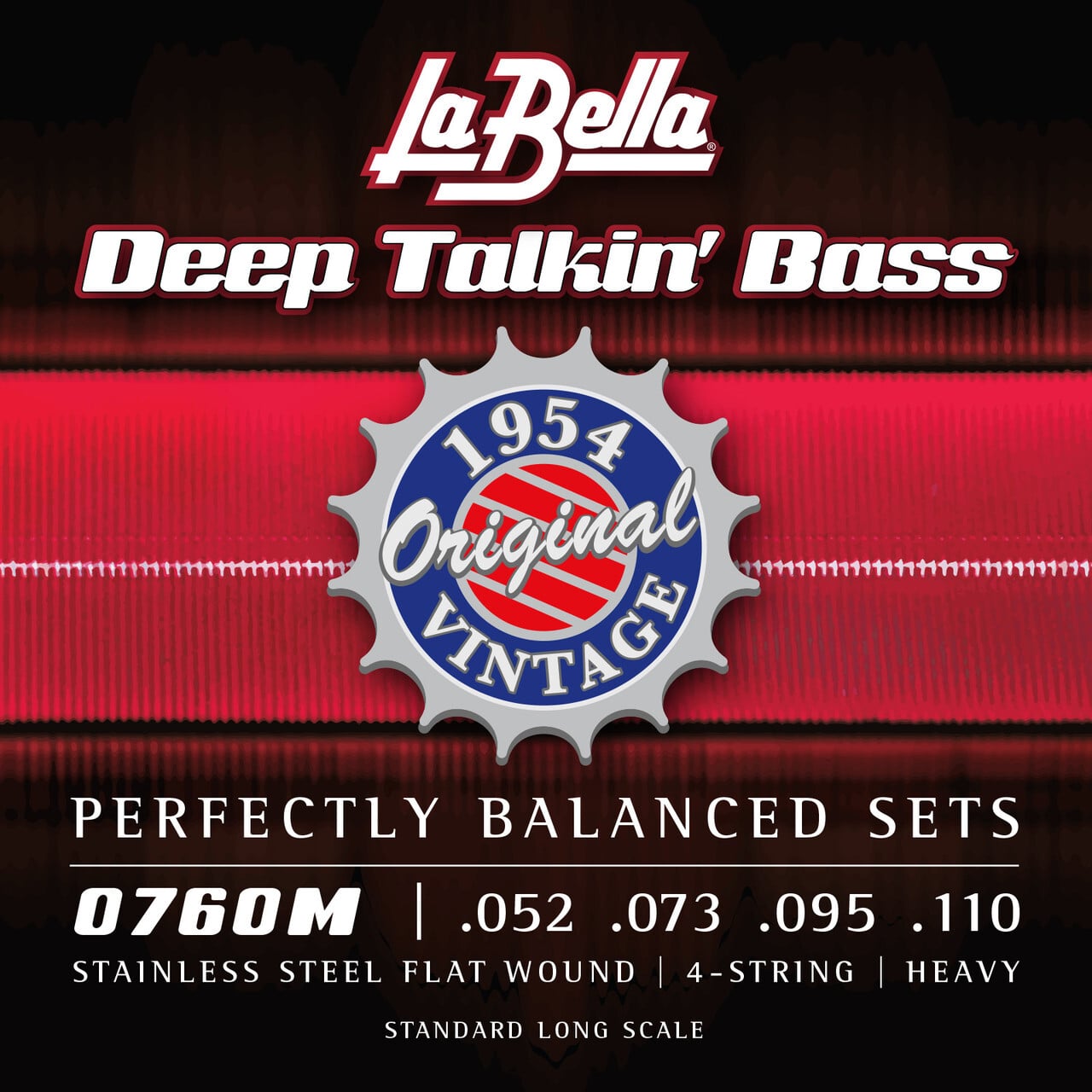
That's all most metal upright strings are, for the most part. Thicker, longer flat wounds. TI flat wounds are like their upright string, wound with a silk underwrap. Much like their Spirocore upright strings only a thinner gauge shorter length.
So if you play either of these strings in essence you are playing on upright strings.

That's all most metal upright strings are, for the most part. Thicker, longer flat wounds. TI flat wounds are like their upright string, wound with a silk underwrap. Much like their Spirocore upright strings only a thinner gauge shorter length.
So if you play either of these strings in essence you are playing on upright strings.

Upright strings are definitely not, typically, just longer flatwounds. The core material used for upright strings varies considerably from brand to brand and string set. You also see materials/wraps that aren't used in electric sets. My upright currently has an aluminum wrapped G which I can't recall ever seeing on an electric set.
While there are strings on the market that are essentially longer flatwounds that doesn't really describe any of the most commonly used string sets.
While there are strings on the market that are essentially longer flatwounds that doesn't really describe any of the most commonly used string sets.

You do this to get clicks on your YouTube channel...Yes you can, but you will either have to have a lot of wraps past the tuner like in the image above or else cut the string a good bit. In either case getting the string loaded into the tuner is going to be a challenge. It would be easier to load electric bass strings onto a 1/4 size upright bass.
Why do you want to do this? It isn't the strings that make an upright sound like an upright.
.
I thought this was the gonna be dumbest thing ever, but then I started watching. Fast forwarded to the sound demo and dang that bass sounds pretty darn cool. Lol… I would never do it but kudos to that guy for giving it a go.



That settles that, I'm putting a $600 set of guts on an $87 Glarry P bass.


Agree 100% on the La Bella. I tried these on a 1962 Fender p bass and it sounded like a double bass, almost couldn’t believe my ears !These will do the same thing and they are made for our 34” basses…
View attachment 6975492
That's all most metal upright strings are, for the most part. Thicker, longer flat wounds. TI flat wounds are like their upright string, wound with a silk underwrap. Much like their Spirocore upright strings only a thinner gauge shorter length.
So if you play either of these strings in essence you are playing on upright strings.
True but I didn't say all but I did say most when I should have said some. Just like as you noted not all sets of upright strings are made the same. Like I said slik and nylon are and can be used in upright strings as well as for soild body basses. There are still some older steel type strings made exactly like ele. bass flats, just not all of them. I would suggest that the LaBella 1954s would be closer to an older set of steel upright strings to get a feel and close enough sound to get an idea without wasting a good set of expensive upright strings. And the TI electrics bass flat wounds could give one the sence of how composite upright strings might sound and feel. Again without damaging a nice upright set.Upright strings are definitely not, typically, just longer flatwounds. The core material used for upright strings varies considerably from brand to brand and string set. You also see materials/wraps that aren't used in electric sets. My upright currently has an aluminum wrapped G which I can't recall ever seeing on an electric set.
While there are strings on the market that are essentially longer flatwounds that doesn't really describe any of the most commonly used string sets.
Having said that to quote the Isley Brothers, “It's your thing, do what you wanna do.”

I've used both Thomastik Spirocores (upright) and their jazz flats (PBass) and they really didn't feel all that similar. I don't have the tech specs, but they didn't seem that way to me.
Labella DTFs feel and behave more like upright strings in my experience. I've never used Labellas on upright. They exist, but are not that popular.
The bass in the video sounds rad, though? Not "like an upright" to me, but very cool. I would cut the ends down and play that bass!
Labella DTFs feel and behave more like upright strings in my experience. I've never used Labellas on upright. They exist, but are not that popular.
The bass in the video sounds rad, though? Not "like an upright" to me, but very cool. I would cut the ends down and play that bass!
The gauges between the two are very different so they would not feel that similar but the construction is similar. I have a set of Spirocore Weich gauge on my upright. They are not exactly like the jazz flats but they are closer than not. At least to my hands and ears. Those La Bella 1954s remind me of being closer to an Orchestral gauge than a Weich gauge on an electric solid-body bass.I've used both Thomastik Spirocores (upright) and their jazz flats (PBass) and they really didn't feel all that similar. I don't have the tech specs, but they didn't seem that way to me.
Labella DTFs feel and behave more like upright strings in my experience. I've never used Labellas on upright. They exist, it are not that popular.
The bass in the video sounds rad, though? Not "like an upright" to me, but very cool. I would cut the ends down and play that bass!
I didn't mean to imply they are exactly the same but similar in construction and some in tone to be useful in recreating the feel and sound of upright strings.

Last edited:
It's been a while for me with Thomastik jazz flats, but I remember the windings being a little rougher or something. Anyway, it's been a while.The gauges between the two are very different so they would not feel that similar but the construction is similar. I have a set of Spirocore Weich gauge on my upright. They are not exactly like the jazz flats but they are closer than not. At least to my hands and ears. Those La Bella 1954s remind me of being closer to an Orchestral gauge than a Weich gauge on an electric solid -body bass.
It's been a while for me with Thomastik jazz flats, but I remember the windings being a little rougher or something. Anyway, it's been a while.

...They are big, flat metal strings: this much is true.the construction is similar
And, in fairness, both have a silk inlay, which is a normal feature for orchestral strings - more on that later - but one that no bass guitar strings save for TI Jazz Flats sport (never seen evidence to the contrary).
The above having been said, Spirocores are chrome steel outside and rope-core inside: JFs are (mostly) pure nickel wound, with a solid round core.
As usual, how far one is willing to overlook differences is what determines how one thing is, or not, like the other.
_____
Re the OP, I remember @coyote1's sound clips and it really did seem like using actual double-bass strings was the final ingredient to making the TB10 a proper upright ersatz (with the silk damping possibly being the crucial element).
Nowadays, three bass-guitar flatwound products each have one typical DB trait:
- Thomastik-Infeld Jaz Flats have the silk inlay, as said
- Dogal Hellborg Perfect Pitch Flats have stranded cores
- Galli Synthesis flats have a nylon core (but also enough steel around it for them to work through magnetic pickups)
Should one want to experiment on a string that has two of those typical traits, it ensues that literal double-bass strings would be the ticket. Fitment at the tuning post might be a challenge (alternatively, sourcing a 1/4 or 1/8 set would); silk at the bridge end would need a good trim. Price? Sure, it would be pricy; however, even those exotic BG sets I mentioned above aren't exactly cheap.
Last edited:


