Wrong. He is not.
Wrong. He is.
Car design changes in the same model from year to year. There will never be another car built that has the same exact design, look, feel etc as a split window corvette, for example.
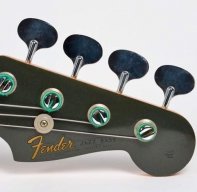
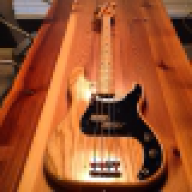
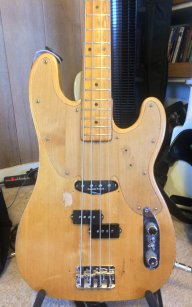
The design of the fender precision bass hasn't notably changed at all. The perceived value of the vintage ones must therefore be something other than the finer details of shape, looks, length, feel and sound, since those should ideally be nearly identical considering they build exact versions of those old precision basses still. So it can't be feel in the sense that the neck feels different if it's measurably identical. And so on.
It's not like with concert violins where a tiny box is built to over power a symphony orchestra in a giant hall.... While retaining sweetness and power and playability equal to or better than the finest quieter violins. That is a situation where it's a high and rare form of art to build just one, and there are some modern ones that are amazing and arguably just as good as, if slightly different from, the famous 300 year old sought after legends. But they are few and far between.
Violins of that caliber though were ALWAYS rare.... When made and now. Fender basses were ALWAYS common after initial release. Old electric solid body instruments aren't in the same league of mysterious challenges to build well as are vintage violin replicas. In fact, vintage fender basses are incredibly easy to replicate and are every day. With quality wood, pickup, and setup skills they are effectively identical to the originals.
So vintage cars? Unique in easily identifiable ways.
Vintage classical instruments? Unique in the challenges of building them well at all, let alone to the highest levels and to the design choices for great concert instruments.
Fender basses? No such similarity.... I don't buy it. Vintage fenders that are amazing can, and are, duplicated when desired. Not everyone seeks the same instrument as ideal, however.