• TalkBass has been independent since 1998. Add your voice.
    Create a free account to reply to discussions, view embedded media, and browse with fewer display ads.
    Join freeLog in
    Want zero display ads or expanded classifieds tools? Compare plans.

What are you reading Chapter 4

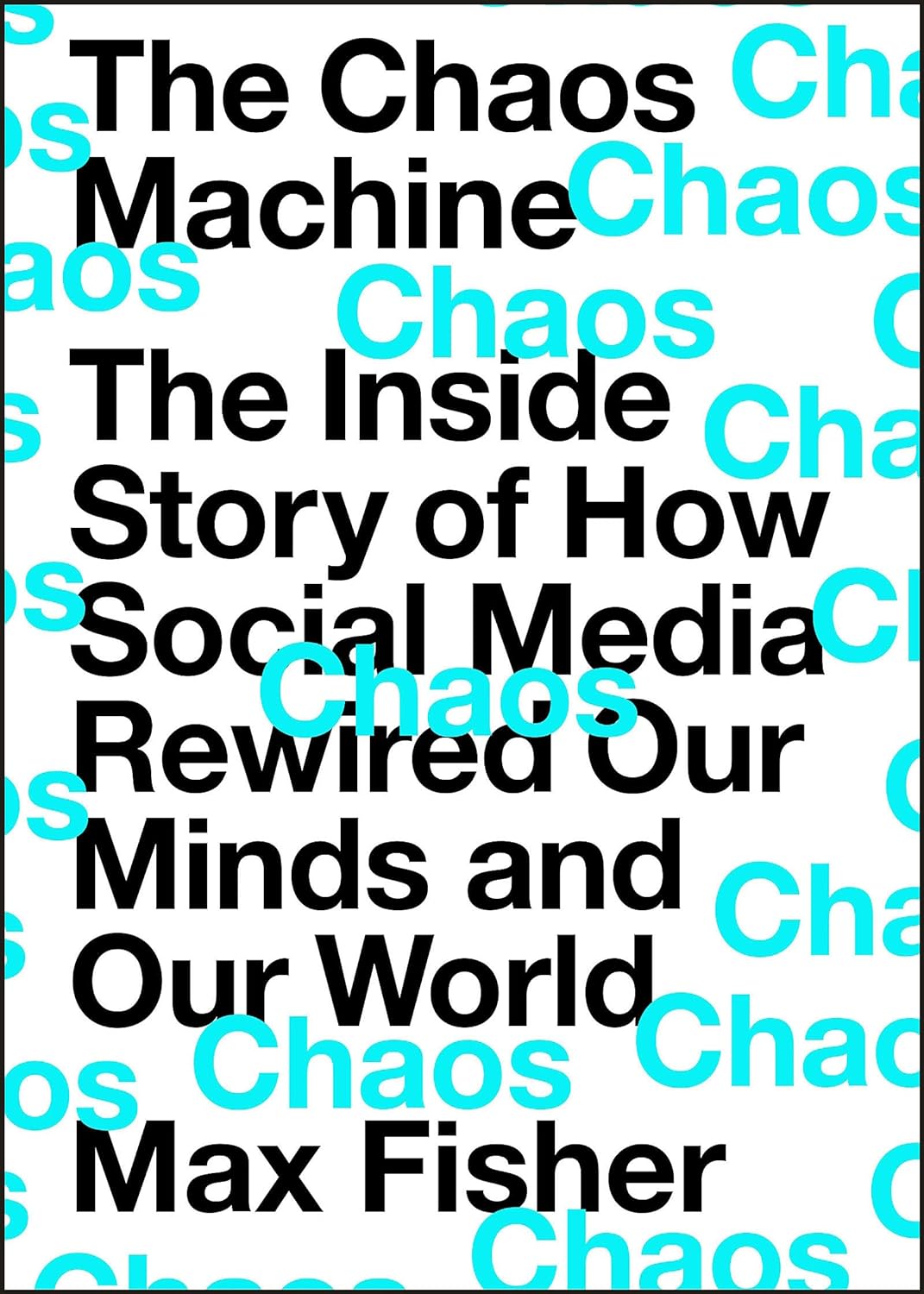
I read that a couple of months ago - I agree, absolutely terrifying, and incredibly important.

At the risk of sounding pretentious, lately I've been revisiting Homer's Iliad. We think of it as the sort of dusty old thing they make you read in freshman English class, but really it's a ripping yarn and very readable. One aspect of it that really is gripping me is how Homer humanizes the characters, in an interesting way. They have no internal monologue; no character ever debates in his own mind what he should do. Instead, that kind of thing is all externalized; a deity sweeps down from Olympus to urge a hero into action when he hesitates or to stop Achilles from killing Agamemnon, etc. But what he does instead is that he tells you who everybody's parents are, where they're from and what they were known for there. And he does it in a really poignant way, even for very minor characters who are only introduced very briefly before getting slaughtered by Diomedes or whoever. The cumulative effect, all these lively, promising folks cut down not like so many faceless orcs but human beings who will never return to their beautiful homes and families, is very tragic and powerful.
Never read Homer's illiad, but i put it in my list. Thanks !
 
  • Like
Reactions: hrodbert696
I read that a couple of months ago - I agree, absolutely terrifying, and incredibly important.

At the risk of sounding pretentious, lately I've been revisiting Homer's Iliad. We think of it as the sort of dusty old thing they make you read in freshman English class, but really it's a ripping yarn and very readable. One aspect of it that really is gripping me is how Homer humanizes the characters, in an interesting way. They have no internal monologue; no character ever debates in his own mind what he should do. Instead, that kind of thing is all externalized; a deity sweeps down from Olympus to urge a hero into action when he hesitates or to stop Achilles from killing Agamemnon, etc. But what he does instead is that he tells you who everybody's parents are, where they're from and what they were known for there. And he does it in a really poignant way, even for very minor characters who are only introduced very briefly before getting slaughtered by Diomedes or whoever. The cumulative effect, all these lively, promising folks cut down not like so many faceless orcs but human beings who will never return to their beautiful homes and families, is very tragic and powerful.

Who's translation?
 
  • Like
Reactions: hrodbert696
Yeah. I've read both and Fitzgerald goes down easier. If you go for The Odyssey, try Robert Fagles or Emily Wilson.

Enjoy!

When I was a kid, maybe 11 or 12 years old, I read both in a prose translation. Don't remember who the translator was. That may also account for me finding them very accessible.
 
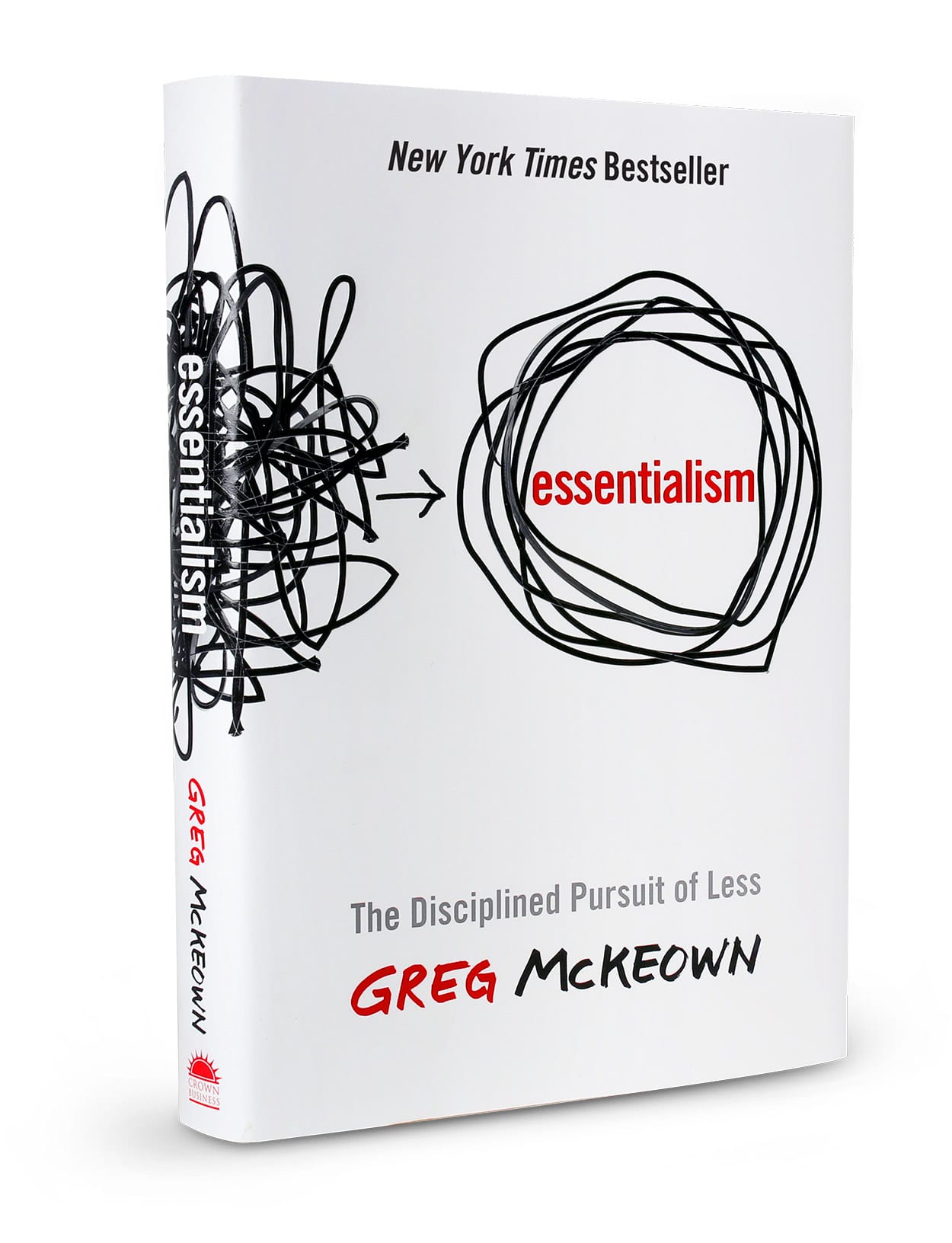
81Fo3DkiUqL._SL1500_.jpg


Still on this book. I'm in the last quarter. This book should be explained, analyzed in schools..
Major Book. Thanks again to the TBer that shared this advice..

I'm starting in on this one right now. Thanks!
 
I finished The Nibelungenlied yesterday (Hatto's translation), and then followed it up with Tolkien's The Legend of Sigurd and Gudrún, which is essentially the Norse mythology version of the same story, but in verse. This is also the same basic story that is told in the Saga of the Volsungs - of which I recently finished Byock's translation. I have to say, as much as I have read Tolkien's stuff and epic poetry/mythology, I would have been lost reading Tolkien's take had I not recently read the others. It's not so much difficult to read as much as it is difficult to understand in scope. He takes a different approach from much of his other works on this poem and actually doesn't describe much besides the exact actions of the characters. Without knowing the general backstory, I'd have been completely lost!

All that being said, I think I prefer Tolkien's take the least (which is hard to stomach as a HUGE Tolkien fan!), simply for its necessity of having a good grip on the material to understand his version. If I HAD to pick my favorite take so far, it would be Byock, as I feel The Nibelungenlied omits some of my favorite scenes from the tale, though it also has plenty of other scenes not in the Saga. The Nibelungenlied has more detail overall and therefore a longer length. Both, however, give great glimpses into the culture and attitudes of the people.

I was going to read The Kalevala - Finland's national epic - next, but I think I may need to read Crawford's translation of The Saga of the Volsungs first. I read it a few years ago, but don't remember much. We'll see what I think when I've got that version down as well.
 
Started this late last night:

[Invalid or Expired Link Removed]


It's not just about how Chinatown was made, but how the principal talents involved converged at a time when the shifting environment in Holloywood saw the old "studio system" being dismantled in favor of corporate acquisitions and a reduced emphasis on creative gambles. In other words, this movie came about just as it was becoming highly unlikely that major studios would ever turn out anything like it again (hence the title of the book).

So far, it's a very engaging read, with enjoyable, well crafted writing. Looking forward to getting back into this today. :thumbsup:

:bookworm:
 
I have to admit, endorsements from folks like the CEO of LinkedIn and the author of To Sell is Divine aren't the kind that make a book intriguing to me.
Makes no difference to me either, and to be honest I didn't even notice. Let's say, I have a low opinion of Hoffman, but saying further on that would breach the rules on political comment.

I got the rec from a friend who's opinion I generally respect.
 
  • Like
Reactions: WG Plum
I just finished Crawford's translation of The Saga Of The Volsungs. Probably the easiest of the translations to understand, and for that I'm inclined to think it's the best, but I also feel like it may be easiest because it's by far the most recent translation. Either way, not a huge difference between it and the Byock translation I read a week or two ago. This one had the Saga Of Ragnar Lodbrok included, so that was a bonus. But regarding the main text, I feel like they're equally good overall. Byock seems more epic, but Crawford more accessible. Depends what you're looking for, I suppose.

Going to start The Kalevala in a bit - Bosley's translation. Excited, and this one is a long one, so I assume it'll be a bit.