For the past five years, I've been using vintage-inspired Fender Jazzes and Precisions exclusively. I believed in the adage that Leo got it right the first time around with the Jazz and the '57 Precision onwards.
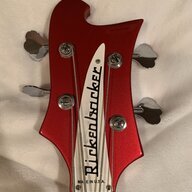
Yesterday, I got a "modern" bass and couldn't believe how wrong Leo had been:
You could Leo created a bass that works in most if not all genres, but isn't that only because it was, for a while, the only bass available on the market, more or less? Would we say the same thing of the Warwick Thumb, for example, had it been the first bass on the market and played on all those classic records?
So, what exactly did Leo get right?
Yesterday, I got a "modern" bass and couldn't believe how wrong Leo had been:
- Truss rod access requires having to remove the neck
- Tuners weight so much, resulting in serious neck dive
- Bridge requires strings go through it, which is mildly inconvenient when changing strings
- Threaded saddles causes smaller gauge strings to move move around
- Single coil hum (Jazz bass)
- 7.25-inch fingerboard radius, requiring more neck relief and so higher action
- Heel design makes it had to access last frets.
You could Leo created a bass that works in most if not all genres, but isn't that only because it was, for a while, the only bass available on the market, more or less? Would we say the same thing of the Warwick Thumb, for example, had it been the first bass on the market and played on all those classic records?
So, what exactly did Leo get right?