
Enjoy the benefits of a premium membership!
Upgrade Account
-
TalkBass has been independent since 1998. Add your voice.
Create a free account to reply to discussions, view embedded media, and browse with fewer display ads.
Join free Log in
Want zero display ads or expanded classifieds tools? Compare plans.
You are using an out of date browser. It may not display this or other websites correctly.
You should upgrade or use an alternative browser.
You should upgrade or use an alternative browser.
More options
Who Replied?

Wait a minute, this is Talkbass. I'm not reading through all 12 pages, but I certainly hope someone said that James Jamerson because we all know he played everything on all the best songs ever. Alos, if someone could let me know on which page someone gets super butt-hurt about someone else's opinion and storms off, I'd like a look at that.

More seriously, the original article reminded me a lot of Elliott Murphy's 1972 liner notes to the "1969 Velvet Underground Live" album, released a few years after the band ceased to exist, but before VU had been canonized. Original draft of the notes: Invalid Link Removed They read almost too sincerely now (would I say rock'n'roll is honest anymore?), but he was young and rock was younger, then:
"It's one hundred years from today, and everyone who is reading this is dead. I'm dead. You're dead. And some kid is taking a music course in junior high, and maybe he's listening to the Velvet Underground because he's got to write a report on classical rock and roll and I wonder what that kid is thinking.
I wish they could invent a machine that could find out everyone's biggest secret - yours and mine and Lou Reed's. The difference between movies and rock 'n' roll is that rock 'n' roll doesn't lie. It never promises a happy ending. I'd have to say that the Velvet Underground wrote and played sad music. When I listen to them, I think about people I won't ever see again. But that's the story of the world of art. Van Gogh cuts off his ear, and parents sign permission slips for field trips to museums.
The Velvet Underground must have scared a lot of people. What goes through a mother's mind when she asks her fifteen year-old daughter, "What's the name of that song you're listening to?" and her daughter replies, "Heroin."
I wish I was writing this a hundred years from today. Then, I'd be writing about music made by dead people. There's be a beginning and an end. As it stands now, I don't know where this album fits in. I think all of the people on this album are alive today. I know that at least one of them is still at it. I don't know if this will be considered one of Lou Reed's greatest or lesser contributions. What will be mandantory listening for that classical rock 'n' roll class?
I think this is great rock 'n' roll. I think Alexander the Great, Lord Byron, Jack the Ripper, F. Scott Fitzgerald, Albert Einstein, James Dean, and other rock 'n' roll stars would tend to agree with me.
And maybe it's 1969, and some kid is borrowing his parents' car and driving into the city and doing things he'd never done before and getting into trouble, but it's all right because he knows he'll never be the same again. (That's what this album is about.)
Rock 'n' roll people tend to live on the edge. (That's what this album is about.)
Rock 'n' roll has always been and still is one of the few honest things left in this world. (That's what this album is about.)
Anyway - I could analyze each and every song, but that's what took all the fun out of chemistry. I hope someday they'll teach rock 'n' roll history. I hope that the music on this album is among the more important elements of that class. I hope parents will still get scared when they find their daughter listening to this music.
I wish it were a hundred years from today. (I can't stand the suspense)."
"It's one hundred years from today, and everyone who is reading this is dead. I'm dead. You're dead. And some kid is taking a music course in junior high, and maybe he's listening to the Velvet Underground because he's got to write a report on classical rock and roll and I wonder what that kid is thinking.
I wish they could invent a machine that could find out everyone's biggest secret - yours and mine and Lou Reed's. The difference between movies and rock 'n' roll is that rock 'n' roll doesn't lie. It never promises a happy ending. I'd have to say that the Velvet Underground wrote and played sad music. When I listen to them, I think about people I won't ever see again. But that's the story of the world of art. Van Gogh cuts off his ear, and parents sign permission slips for field trips to museums.
The Velvet Underground must have scared a lot of people. What goes through a mother's mind when she asks her fifteen year-old daughter, "What's the name of that song you're listening to?" and her daughter replies, "Heroin."
I wish I was writing this a hundred years from today. Then, I'd be writing about music made by dead people. There's be a beginning and an end. As it stands now, I don't know where this album fits in. I think all of the people on this album are alive today. I know that at least one of them is still at it. I don't know if this will be considered one of Lou Reed's greatest or lesser contributions. What will be mandantory listening for that classical rock 'n' roll class?
I think this is great rock 'n' roll. I think Alexander the Great, Lord Byron, Jack the Ripper, F. Scott Fitzgerald, Albert Einstein, James Dean, and other rock 'n' roll stars would tend to agree with me.
And maybe it's 1969, and some kid is borrowing his parents' car and driving into the city and doing things he'd never done before and getting into trouble, but it's all right because he knows he'll never be the same again. (That's what this album is about.)
Rock 'n' roll people tend to live on the edge. (That's what this album is about.)
Rock 'n' roll has always been and still is one of the few honest things left in this world. (That's what this album is about.)
Anyway - I could analyze each and every song, but that's what took all the fun out of chemistry. I hope someday they'll teach rock 'n' roll history. I hope that the music on this album is among the more important elements of that class. I hope parents will still get scared when they find their daughter listening to this music.
I wish it were a hundred years from today. (I can't stand the suspense)."


It will probably be the early pioneers and inovators who pushed it forward until rock and roll no longer had a significant impact on the culture. Say from the 50's to the late 80's from Chuck Berry to those nordic bands that the Cookie Monster sings with.
I think rock music reached its zenith as far as impacting the mainstrean culture at large in the 60's/70's. my uncle told me that back in the day it was all one category...Rock Music, and then came soft rock and that opened the way for all the other subdivisions. Any of you old timers who lived thru that time period know if that's true? What do you guys remember about when it all started to be stratified? I think we would all like to know from you guys as opposed to reading about it on wikipedia or rolling stone or some reposting site. Elder statesmen of rock, please impart your experience on us.....
Impressive resume Mr. Hendrix, but are you experienced?
I think rock music reached its zenith as far as impacting the mainstrean culture at large in the 60's/70's. my uncle told me that back in the day it was all one category...Rock Music, and then came soft rock and that opened the way for all the other subdivisions. Any of you old timers who lived thru that time period know if that's true? What do you guys remember about when it all started to be stratified? I think we would all like to know from you guys as opposed to reading about it on wikipedia or rolling stone or some reposting site. Elder statesmen of rock, please impart your experience on us.....
Impressive resume Mr. Hendrix, but are you experienced?


Name three great musicians from the 1700s.
Most people struggle to get past Mozart and Handel, assuming they even know those. In the 2300s the only musicians known from our time will be the one or two (max) who wrote the most popular, most loved, most accessible songs.
Which means McCartney. Maybe Lennon. That's it. If you absolutely had to pick a third it'd be someone like Andrew Lloyd Webber.
Most people struggle to get past Mozart and Handel, assuming they even know those. In the 2300s the only musicians known from our time will be the one or two (max) who wrote the most popular, most loved, most accessible songs.
Which means McCartney. Maybe Lennon. That's it. If you absolutely had to pick a third it'd be someone like Andrew Lloyd Webber.



None. There will have been at least 100 format changes, and vinyl, CD, and .mp3 will be curiosities available to a select few. Kind of like illuminated manuscripts, only cheesier.
Name three great musicians from the 1700s.
Most people struggle to get past Mozart and Handel, assuming they even know those. In the 2300s the only musicians known from our time will be the one or two (max) who wrote the most popular, most loved, most accessible songs.
Which means McCartney. Maybe Lennon. That's it. If you absolutely had to pick a third it'd be someone like Andrew Lloyd Webber.
For all we know ... Mozart and Hayden could be the only two that their music sheet never been destroyed in fire and so completely ereased them from our history.

Elvis or the Beatles.
Add Hendrix.
These are the pictures you'll see in those ebooks:
Last edited:
No. There are history books. We don't have to depend just on manuscripts.For all we know ...


Awesome pick. His greatest album:
300 years from now, they won't be able to tell the difference between jazz and rock 'n roll anyway.

Anyone seen Chuck play recently?....A bit off topic but I'm interested to hear if he's still "got it"....
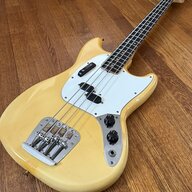
And by "it" are you you referring to his, um,Anyone seen Chuck play recently?....A bit off topic but I'm interested to hear if he's still "got it"....

a few blockbusters caught in blueray that will be converted to a new language we still ignore.
probably the worst versions of their classics in the end of their careers
probably the worst versions of their classics in the end of their careers

300 years? The way things are going I wouldn't even like to place a bet that there'll be people around to remember anything. The robots will remember Tomita, and Bob Moog, and if they've developed a sense of humour, Rick Wakeman.
Radio was an all-conquering force in this field. Broadcasting drove the market. Many of the categories you allude to were engineered, penned, and implemented by those who had, at least a pecuniary interest in commercial music production.Any of you old timers who lived thru that time period know if that's true? What do you guys remember about when it all started to be stratified?
From the earliest stages, the race was on to dominate the airwaves and grab the lion's share of the advertising dollar. All of this, in practice, flowing over from the world of print - same deal there, in many ways - 'entertaining' and selling 'product', but not necessarily in that order.
Selling advertising real estate was dependent upon jargon, and other cultural capital too, which, along with ratings, was the steadfast means to this end - producing the all-important pitch. All the while, great art, innovation and creativity ate into radio's status quo and drove the changes, for better or worse. In at least one sense, it's still rolling along the same way.
Some light reading: Invalid Link Removed
Last edited:


