• TalkBass has been independent since 1998. Add your voice.
    Create a free account to reply to discussions, view embedded media, and browse with fewer display ads.
    Join freeLog in
    Want zero display ads or expanded classifieds tools? Compare plans.

Which way to position fingerboard

Which direction should fingerboard be?

  • Left side of photo towards nut

    Votes: 16 26.2%
  • Right side of photo towards nut

    Votes: 45 73.8%

  • Total voters
    61
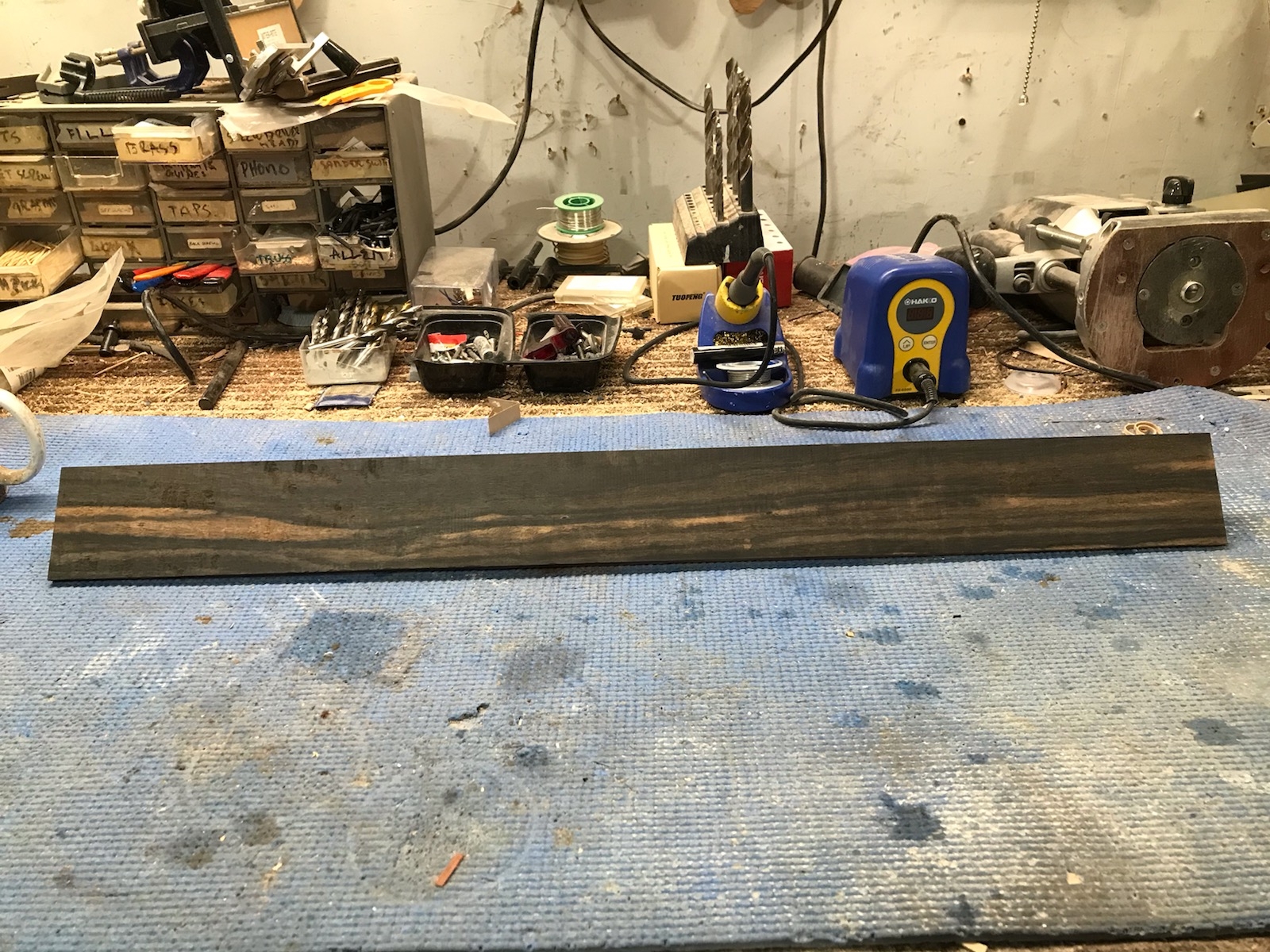
Having a cool jazz bass built and wondering opinions on which way to position this board. I know this is totally subjective but curious what others think. I'm leaning towards the left side of the photo towards the nut
1000017714.jpg


These is ebony, just with prominent striping (looks cool and is more environmentally friendly supposedly).

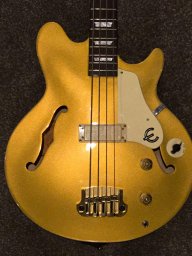
For context it is a swamp ash body in dark purple like this (actually used this exact auto paint)

1000017716.jpg


The neck wood is wenge if that matters

So what do you think would look best and why?
 
I like the other direction, you would retain more of the cool looking light swash on the left and it would flow towards the nut. I have a piece of Macassar Ebony that I did a similar thing with, letting it flow towards the nut.

View attachment 7293692

Cool color too. It reminds me of this one.
View attachment 7293690View attachment 7293691
That orientation does look nice too!

I should mention the headstock will be unfinished.

I'm really torn, could go either way
 
That orientation does look nice too!

I should mention the headstock will be unfinished.

I'm really torn, could go either way

Like you said, it's a visual design call, nothing about structure or that icky engineering stuff. I use Macassar ebony fingerboards on almost all of the basses I build, and a lot of it has wild striping. Here's one I'm finishing up right now:

20250721_003415.jpg


My general rules of the visual design for stripey fingerboards:

  • Angle the fingerboard blank to get the stripes going straight down the neck, as much as possible.
  • If possible, flip the board so that any curvature in the stripes is bending upwards, towards the bass side.
  • Put the most dense, straight part of the stripes toward the heel, and the less dense curvy part toward the headstock
My thinking is to make the stripes look like flames shooting out of the neck pocket. Strong and straight shooting out, then curving up. Flames that curve downward look kind of weird.
 
Like you said, it's a visual design call, nothing about structure or that icky engineering stuff. I use Macassar ebony fingerboards on almost all of the basses I build, and a lot of it has wild striping. Here's one I'm finishing up right now:

View attachment 7293701

My general rules of the visual design for stripey fingerboards:

  • Angle the fingerboard blank to get the stripes going straight down the neck, as much as possible.
  • If possible, flip the board so that any curvature in the stripes is bending upwards, towards the bass side.
  • Put the most dense, straight part of the stripes toward the heel, and the less dense curvy part toward the headstock
My thinking is to make the stripes look like flames shooting out of the neck pocket. Strong and straight shooting out, then curving up. Flames that curve downward look kind of weird.
Thanks for your thoughts! Sounds like your guidelines would go with the nut on the left side. That's the way I'm leaning
 
Thanks for your thoughts! Sounds like your guidelines would go with the nut on the left side. That's the way I'm leaning

Yes, if it were mine, I'd reverse it left-to-right in the picture. Put the straight flames at the heel, the knot at the 3rd fret, and the flame bending up toward the bass side tuners.
 
I have a preference, but it has nothing to do with looks.

I'd orient it so the mostly dark end was toward the nut. Visually it's a coin toss, but the darker part of the ebony will resist wear better over the life of the bass. The darker heartwood is denser than the lighter sapwood areas of the board.
I'd place the sapwood portion on the higher end of the scale where frets are closer together and there's less actual contact with the board.

Normally this isn't a consideration, but boards with large sections of sapwood might be better oriented to minimize contact with those lighter sections.
 
Last edited: