• TalkBass has been independent since 1998. Add your voice.
    Create a free account to reply to discussions, view embedded media, and browse with fewer display ads.
    Join freeLog in
    Want zero display ads or expanded classifieds tools? Compare plans.

Why cover pickups?

It can protect your fingers if you play aggressive towards the bridge. There's some potential skin slicers on that bridge hardware if you play with wreckless abandon towards the bridge especially with a pick.

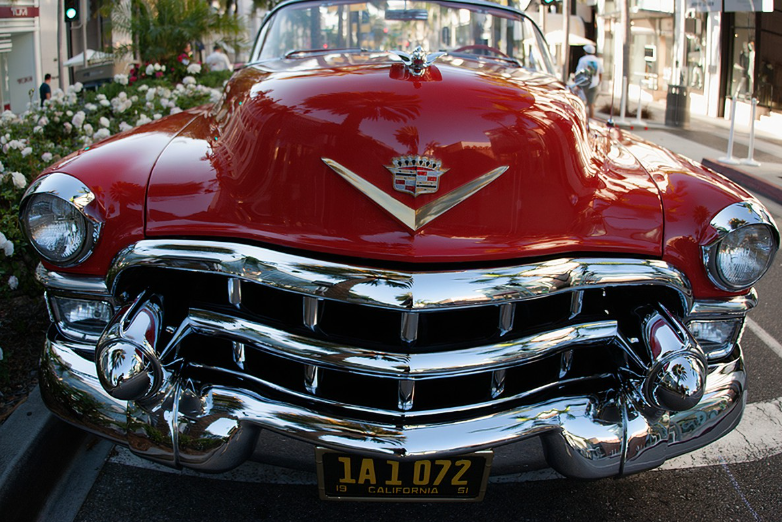
Plus this...
upload_2023-9-1_11-59-57.png
 
It's to hold foam

Actually, the 1st Jazz basses used individual string mutes attached to the body until mid '63, when they changed to the foam mute strip adhered to the back of the bridge cover.

It served a dual function: it was intendeed to provide shielding from interference back then, as others have mentioned, but cosmetics were a big part of it as well; conceal the bridge, the individual mute system, and the brass ground strap - also used until later '63.

Appearance was a big thing back then - people liked shiny things (see the post above)
The electric bass was still relatively new - and they didn't want to frighten people away with all that techy "stuff" going on under there! ;)

Also, the pickup cover on the original single coil P-Bass was grounded, to shunt interference.
So at the time, covers were absolutely intended to have the dual role of shielding and cosmetics.
 
Last edited:
Kinda like SoCal80s already mentioned, there is the arm/hand rest aspect as well. If you look at 60's neck-pickup-only basses (from Gibson for example) some had a chrome cover where you might expect a bridge pickup to be, but there was nothing but strings and wood underneath. The idea there was to rest your palm or wrist on the cover while playing.
 
  • Like
Reactions: SoCal80s
Well...
Personally, I have the covers on both my Ricks; I rest my hand on them when I play between the pickups like you're supposed to - with a pick...;);) The covers are on my '78 Fender P-Bass, because it's strung with flats; I like the sound of it with the mute in the bridge cover; and I rest my hand on it when I play. The pickup cover? It just completes the look...:cool:
I keep mine in honor of Chris Squire!
 
  • Like
Reactions: SubHuman
Technically it covers the bridge and the bridge pickup on a JB, sorry had to say it ;)
\

It covers the bridge and almost hides the pickup - it wasn't until CBS moved the bridge pickup in the 70's that the bridge ashtray actually covered the bridge pickup.

Cause they just look so dang cool.
That's a matter of taste; there are plenty of us that think they make the bass look less cool.
 
I love the look and have had them on various P's and J's over the years for short spells, but man, I just can't give up that string real estate. I need to be able to play with my thumb anchored on the pickup, and also be able to palm mute down by the bridge. I'll throw 'em on for a photo shoot tho;)
 
Actually, the 1st Jazz basses used individual string mutes attached to the body until mid '63, when they changed to the foam mute strip adhered to the back of the bridge cover.

It served a dual function: it was intendeed to provide shielding from interference back then, as others have mentioned, but cosmetics were a big part of it as well; conceal the bridge, the individual mute system, and the brass ground strap - also used until later '63.

J-Bass RMR finally got it right. The cover was to conceal the individual string mutes. These were a forked shaped piece of felt under the string with a leaf spring arrangement screwed to the body. The cover actually covered the bridge the mutes and the pickup. These were the same mutes used on the tines of the Fender Rhodes pianos of the time. This mute system was changed to the foam stuck to the inside of the cover by the time I bought my first new Jazz bass in 63'. In fact I wrote to the factory wanting the old mutes and they sent me a set. I never installed them and wish I still had them and the bass.
 
I have one for my Jazz Bass, a copy that doesn't have the big F on it. It does the job, and, bonus, doesn't have a big F on it. :D

I had it on the bass for a minute with double sided tape, but it mostly just lives in the case.
 
They look classy, and and can provide places to rest the right hand while playing, but they also limit a great deal of the range of playing technique... If I was playing a narrow range of musical styles that they didn't get in the way of, I'd probably have them on all my instruments, because they are pretty...
 
My first P-bass came with covers. Even Teles back then came with covers for the bridge and bridge pup. They're cool. They're 50's/60's cool. Which is the coolest cool ever. A P or J without covers looks naked and incomplete to me. I add the covers to the ones that I buy. I'm traumatized by the fact that I can't do covers on my Squier Paranormal Jazz! :bored: I may have to sell it! :roflmao:

The Bar Band Bassman
 
  • Like
Reactions: DOOOOOM
Back in the late 70's I wrote Fender (paper mail) and asked them about the covers. Unfortunately I didn't keep their reply. They said it was originally to stop people from playing over the pickup(s),

Some of my thoughts ... When the P bass came out, bass amplification had a hard time keeping up with the signal from the electric bass. I heard that is why there are 2 pole pieces per string. The idea was to reduce the original spike of the signal when a string was played. Keeping that in mind, I could see that in addition to looking finished, the covers kept people from playing over the pickup(s) to reduce the output going to the "inadequate" bass amps of the time.
 
Back in the late 70's I wrote Fender (paper mail) and asked them about the covers. Unfortunately I didn't keep their reply. They said it was originally to stop people from playing over the pickup(s),

Some of my thoughts ... When the P bass came out, bass amplification had a hard time keeping up with the signal from the electric bass. I heard that is why there are 2 pole pieces per string. The idea was to reduce the original spike of the signal when a string was played. Keeping that in mind, I could see that in addition to looking finished, the covers kept people from playing over the pickup(s) to reduce the output going to the "inadequate" bass amps of the time.
This is the reason I've heard. My own experience with the early style pickup confirms it.
 
  • Like
Reactions: rwkeating