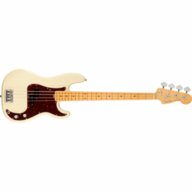
I agree. I don't like the new 3-Tone Sunburst. I wonder why there's a difference? Could it be the nitro-cellulose laquer?I really love the 3 tone bursts from that era, buy that's another subject. The Fender bursts since then don't measure up IMO.

TalkBass has been independent since 1998. Add your voice.
Create a free account to reply to discussions, view embedded media, and browse with fewer display ads.
Join free Log in
Want zero display ads or expanded classifieds tools? Compare plans.
I agree. I don't like the new 3-Tone Sunburst. I wonder why there's a difference? Could it be the nitro-cellulose laquer?I really love the 3 tone bursts from that era, buy that's another subject. The Fender bursts since then don't measure up IMO.

I agree. I don't like the new 3-Tone Sunburst. I wonder why there's a difference? Could it be the nitro-cellulose laquer?
In what way are modern finishes different?Fender starting use poly in 1968, but it's not the same as modern finishes.
- Steve
I agree. I don't like the new 3-Tone Sunburst. I wonder why there's a difference? Could it be the nitro-cellulose laquer?

In what way are modern finishes different?

Two thoughts.
1. The lkely QC controls became much more prevalent in the mid 70s.
2. Most issues were less in the sound, but looks/playability (heavier Northern Ash, sloppy neck pockets, sloppy routing due to worn out jigs, change in finishes, sloppy woodworking in general due to emphasis in increased production and less care in things like body grain match and number of pieces of wood per body).
 to get it back on.
Yes, you're right. I just looked up pictures of it. That's a nice one.I have a fairly new TF fretless and it's got the nicest Sunburst I've ever seen.
Thanks! I'm glad people are enjoying it. I have to thank @Robert Strickland for coming up with the idea...and letting me borrow his '62 Precision
BTW we originally presented this poll to the 70s Fender Precision Bass Facebook group we both moderate. Here's a link if anyone would like to join.
- Steve
Please...
I need to sleep tonight!
I was planning to post the reveal at 10:00 PM tonight, 24 hours after I started the thread. I'd like to give a few more people a chance to vote.
- Steve
I'm not sure really, but the newer finishes seem harder and more durable. The poly finishes in the 70s are prone to "ghosting" where darker colors become cloudy in humid conditions. Then tend to dull easily and some are prone to chipping and flaking, especially in the late 70s. My '72 has some weather checking and I'm not certain that would happen on the new bass.
- Steve
I think Track A is the 72 cuz it sounds brighter and B is the 62 cuz it sounds like it has more bottom end.
Aren't flatwounds not as bright as roundwounds? Anyway, the 72 sounds brighter, like Steve Harris's 70's P-Bass, except his is even brighter with the Maple fingerboard and roundwounds.
Oh, thanks for the information. So, flatwounds are bright like roundwounds? I've never tried flatwound.Steve Harris uses Rotosound flats.
Oh, thanks for the information. So, flatwounds are bright like roundwounds? I've never tried flatwound.
Oh, thanks for the information. So, flatwounds are bright like roundwounds? I've never tried flatwound.





