Fender P and J aren't dated. They're classics, time doesn't impact them anymore.Yes, they look very dated, unlike Fender for instance.
This is dated :
This is not :

TalkBass has been independent since 1998. Add your voice.
Create a free account to reply to discussions, view embedded media, and browse with fewer display ads.
Join free Log in
Want zero display ads or expanded classifieds tools? Compare plans.
Fender P and J aren't dated. They're classics, time doesn't impact them anymore.Yes, they look very dated, unlike Fender for instance.


Yes, they look very dated, unlike Fender for instance.

Are Carvins made in America body and all or just assembled here with foreign parts?

The Carvin bass tuners are Gohtos, which would make them Japanese. Really nice tuners, actually.They CNC the wood parts and use hipshot bridges. Tuners could be foreign. Pickups are made in factory, or at least used to be made in factory.
I'm sorry to hear that you were unhappy with your purchase. What I was getting at is that with items such as musical instruments which are meant to perform at least two functions (look good and sound good) you sometimes have to choose which function is the priority. Obviously sound is important, but unless used only in the studio, most basses will serve some role as eye candy. It is much easier to tweak the sound of a beautiful instrument than it is to upgrade the appearance of a killer bass. Covering one with stickers or adding a tort guard doesn't count, I mean snazzy woodgrain.
Yeah I can understand that but if the bass doesn't play well nor feel solid, the sound nor the look will mater.
Also, no matter how much you pay for you Carvin/Keisel you still have a 1000$ bass with expensive wood ... it is still a 1000$ worth bass. It won't play better nor it won,t sound better because you spended more.
It is like buying a Honda for 10 000$ and put 10 000$ in custom part to make it looks better, it is still a Honda ...
That's goodThey CNC the wood parts and use hipshot bridges. Tuners could be foreign. Pickups are made in factory, or at least used to be made in factory.

Summary: Carvin didn't actually discontinue anything. Active electronics are now optional on all LB models, making the LB20 and LB70 100% the same bass.
They just stopped calling the passive LB bases a different model name.
Totally worth a zillion page thread.
But they sell these passive LB's from the LB70's former base price, not the LB20's. In effect they raised the price while making it appear that they discontinued a model.

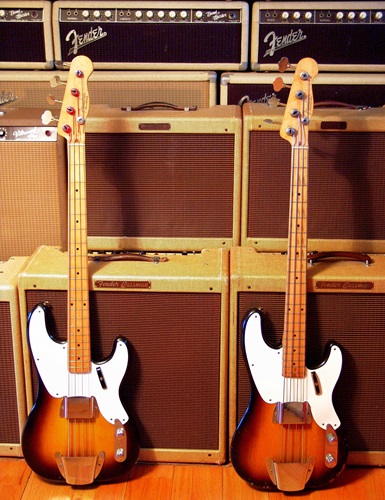
Fender P and J aren't dated. They're classics, time doesn't impact them anymore.
This is dated :
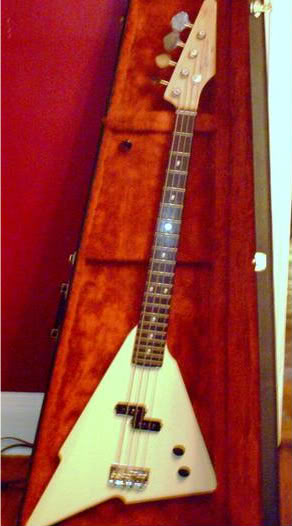
This is not :

The thing that was the beginning of the end for me with Carvin was when they shut down the Hollywood Store. In addition to being able to demo everything from basses to amps to mics to PA and parts/accessories, the staff was awesome. Without a doubt I spent probably $5K over a few years period going in for strings and walking out with an amp or bass. Or at least a plan to get one soon. It was easy to go in and see what the new stuff was all about and report back. The main thing was that there were some neck profiles that fit me better than others, and I could try it out and know. Now, with all the new models, there's no telling what they feel like and the only way to know is either do a ~325 mile round trip, or to buy one, wait, try it then return it. .
Still love my B25 fretless! As I've said before, it's my only remaining Carvin, but it's still great. No plans or interest to buy anything else from them in the future. But then again, my Wilkins RoadTested basses totally shut off my GAS valve a few years back and they cost less than most Kiesels, even with Sadowsky or Aguilar preamps, Nordstrand or hand-wound pickups, chambered or roasted wood and name-brand hardware.....
I know closing the stores were a cost cutting measure, as well a way to facilitate the future break-up of the company into the guitar business and the 'everything else' business. But it was such a sweet deal when those stores were around. But more power to them with whatever they wanna do. They still make great $1,000 - $1200 basses.
Dated and classic are two different things.

I think this is a mistake. People look to Carvin exactly for the reason that they can get an Americsn made product for less money than the big name brands...and I still know players that look down their nose at Carvin. I mean, I'm sure they sell what they need to in order to be profitable, but have you ever tried to sell a used Carvin? Sure, it will sell, but they don't exactly retain their value. They should be offering MORE lower cost products, not less. Cancelling the B40/B50 line was a huge blunder in my opinion. Lastly, if the company is going in a more high end direction, they need to get a handle on the weight of their basses. Lots high end basses are also lighter than cheaper versions. Example: I have a Spector Euro that weighs just over 7 pounds, and a Rebop 5 that weighs in at 8.2. My Legend 5 is just over 10 pounds. Other than their new Vader line, Carvin basses are crazy heavy. Just have a look at their in stock page. The weights are all in the 9 to 12 pound range and heavier. That is the main reason I never became friends with any of the Carvins I've owned.
So, answer my question. How can Carvin possibly turn a profit from making a bass that is identical to a Fender Jazz from a manufacturing standpoint and sell it for around half or less than what Fender does? More importantly, WHY should they? (from their standpoint anyway)
(Answer: They can't)
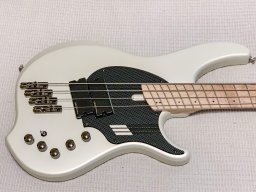
Look plain is up to you. But when you spend near 2000$ usd you expect the thing to sound nice, have some personality, not having to buy a set of pickup and maybe a preamp for it ...
My last Carvin was a deception for me in all aspect so yeah, I'm not inclined to give them another chance