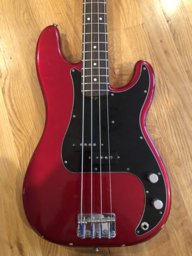
I don't see how... it's just a slight difference in the way the neck attaches. Sure, theory says that the physics of the instrument changes, so the tone should as well -- but my point is that the difference probably won't be audible. Another example: in theory, routing a P-bass for a bridge pickup should change the tone of the instrument even when unamplified, but does anyone really believe that they'll hear that difference?
So, I don't see how anyone can claim to know for certain. In order to prove anything you'd have to build single and double pairs using identical woods. Then you'd have to build enough of these pairs to be statistically significant. You'd also need a way of running identical tests, and objectively measuring tone (meaning: double-blind, or via something besides the human ear). On top of all that: we all know the variable nature of wood (identical instruments can sound very different), so you'd have to eliminate that factor somehow.
I've spent way too much time thinking about this stuff
yes you did.