• TalkBass has been independent since 1998. Add your voice.
    Create a free account to reply to discussions, view embedded media, and browse with fewer display ads.
    Join freeLog in
    Want zero display ads or expanded classifieds tools? Compare plans.

Club Sadowsky!!!

Boston Aquarium, private event. Sadowsky 4-24 and EBMM DarkRay get the call for this one. ✌
IMG_6247.jpeg
IMG_6248.jpeg
IMG_6249.jpeg
 
Yes,the battery Is full and new
It is either a bad circuit board or the switch on the push/pull pot. My recommended way to trouble shoot a problem like this is to remover the control plate and plug the bass into an amp. Using needle nose pliers, systematically play a note and jiggle a wire, one by one. Hopefully you will identify where the trouble is coming from.
 
I purchased a Japanese made Metro Express in 2019. It was flawless. The morado board on it was beautiful dark chocolate. I still love it and I would not say the quality on the Japanese Metro Express instruments was lesser than the Japanese Metroline instruments. The main difference in the ME versus the Metroline were the color options being less in the ME.my understanding is that the reasoning that Roger shifted to Warwick was because the Japan shops could not produce the quantities expected and that Warwick had the resources to build faster. Also, the have a relationship with the Chinese shop that they were heavily involved in the QC. But Roger has all the details and this is my understanding of the shift.

My experience also. I have a Metroline and a Metroexpress, both made in Japan, both equal quality. AFAIK, the only difference between the Japan Metroline and Metroexpress was that the Metroexpress was available in fewer colours and less options, (which kept cost down).
 
Last edited:
My experience also. I have a Metroline and a Metroexpress, both made in Japan, both equal quality. AFAIK, the only difference between the Japan Metroline and Metroexpress was that the Metroexpress was available in fewer colours and less options, (which kept cost down).
There was some discussion around this a few weeks ago. If you look around post 63761, which includes a post from Roger, the differences between the mij models is somewhat clearer. I took from this that the metrolines were Adler or ash body and made in the Sadowsky facility whereas the metro express bodies were (probably) okoume and they were "factory made." Roger also stated that the Verdine White metro express mij was chambered. Any other differences seem to be very much a matter of opinion. As usual, I could be wrong, this tends to be a contentious topic at times......
 
An interesting thing about the MJ electronics. There are two trim pots in the cavity. One adjusts preamp output volume. The other adjusts midrange boost.

The circuit board is labeled “Will Lee”.

View attachment 4810665

Update on this. My understanding is that newer versions of the J/MM no longer have these features.
 
There was some discussion around this a few weeks ago. If you look around post 63761, which includes a post from Roger, the differences between the mij models is somewhat clearer. I took from this that the metrolines were Adler or ash body and made in the Sadowsky facility whereas the metro express bodies were (probably) okoume and they were "factory made." Roger also stated that the Verdine White metro express mij was chambered. Any other differences seem to be very much a matter of opinion. As usual, I could be wrong, this tends to be a contentious topic at times......

When I bought my Metroexpress there was a choice of Alder body with pau ferro fingerboard or Ash with Maple, no mention of Okuome bodies until the next generation of Metroexpress basses that were of a ‘different’ quality.

Edit. Also checked the Sadowsky website. Japanese MetroExpress Basses - Sadowsky Guitars

RV4E DESCRIPTIONS
    • Sleek undersized J body shape
    • Light weight alder body
    • Thicker headstock and graphite strips dramatically reduce dead spots and create a more even response on every note
    • Pau Ferro fingerboard
    • 1.5” nut width on 4-string
    • 21 18% nickel/silver frets .094″ wide x .051″ high, maximum hardness
    • Hipshot licensed tuners on 4 string
    • Sadowsky Humcancelling J pickups (60’s location)
    • Classic Sadowsky Treble and Bass boost pre-amp with true bypass switch
    • Controls: master vol, pickup blend, Passive Tone Control with pre-amp bypass, bass boost, treble boost
    • Sadowsky bridge with quick release
    • 20mm 4 string bridge spacing
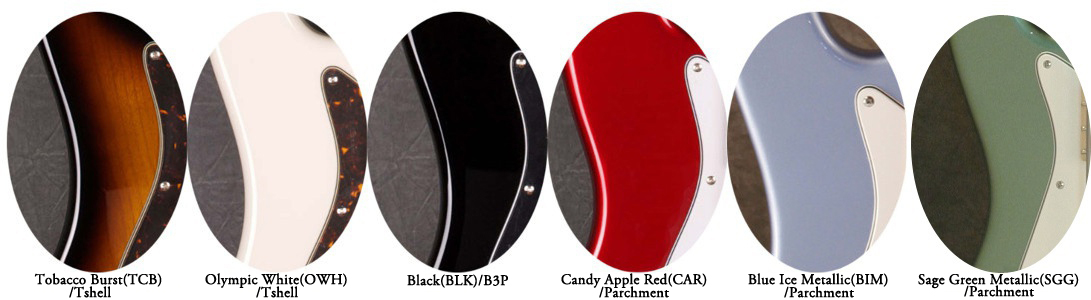
COLOR CHART
 
Last edited:
When I bought my Metroexpress there was a choice of Alder body with pau ferro fingerboard or Ash with Maple, no mention of Okuome bodies until the next generation of Metroexpress basses that were of a ‘different’ quality.

Edit. Also checked the Sadowsky website. Japanese MetroExpress Basses - Sadowsky Guitars

RV4E DESCRIPTIONS
    • Sleek undersized J body shape
    • Light weight alder body
    • Thicker headstock and graphite strips dramatically reduce dead spots and create a more even response on every note
    • Pau Ferro fingerboard
    • 1.5” nut width on 4-string
    • 21 18% nickel/silver frets .094″ wide x .051″ high, maximum hardness
    • Hipshot licensed tuners on 4 string
    • Sadowsky Humcancelling J pickups (60’s location)
    • Classic Sadowsky Treble and Bass boost pre-amp with true bypass switch
    • Controls: master vol, pickup blend, Passive Tone Control with pre-amp bypass, bass boost, treble boost
    • Sadowsky bridge with quick release
    • 20mm 4 string bridge spacing
COLOR CHART
When I bought my Metroexpress there was a choice of Alder body with pau ferro fingerboard or Ash with Maple, no mention of Okuome bodies until the next generation of Metroexpress basses that were of a ‘different’ quality.

Edit. Also checked the Sadowsky website. Japanese MetroExpress Basses - Sadowsky Guitars

RV4E DESCRIPTIONS
    • Sleek undersized J body shape
    • Light weight alder body
    • Thicker headstock and graphite strips dramatically reduce dead spots and create a more even response on every note
    • Pau Ferro fingerboard
    • 1.5” nut width on 4-string
    • 21 18% nickel/silver frets .094″ wide x .051″ high, maximum hardness
    • Hipshot licensed tuners on 4 string
    • Sadowsky Humcancelling J pickups (60’s location)
    • Classic Sadowsky Treble and Bass boost pre-amp with true bypass switch
    • Controls: master vol, pickup blend, Passive Tone Control with pre-amp bypass, bass boost, treble boost
    • Sadowsky bridge with quick release
    • 20mm 4 string bridge spacing
COLOR CHART
I don't pretend to be an expert in any way on the Japan Metro Express, so not surprised by this. I based my comment on a post by a member who stated that his Express had an okoume body. I am not sure whether the specs you provide here are for the Warwick or the Japan metro express? I expect there will be differences. Certainly there was a substantial difference in price at the time between mij metroline and express, I find it hard to believe that this is simply due to fewer options. Roger himself stated at the time that the primary difference between nyc and mij metroline was simply greater choice with the nyc model so who knows with the express? In the end it does not matter and a good bass is a good bass regardless, but the discussion is interesting. I have had only limited experience with the express, and that was only with a Warwick model but I have owned two Japan metrolines, all good basses and the law of diminishing returns applies but you do get what you pay for imo.
 
When I bought my Metroexpress there was a choice of Alder body with pau ferro fingerboard or Ash with Maple, no mention of Okuome bodies until the next generation of Metroexpress basses that were of a ‘different’ quality.

Edit. Also checked the Sadowsky website. Japanese MetroExpress Basses - Sadowsky Guitars

RV4E DESCRIPTIONS
    • Sleek undersized J body shape
    • Light weight alder body
    • Thicker headstock and graphite strips dramatically reduce dead spots and create a more even response on every note
    • Pau Ferro fingerboard
    • 1.5” nut width on 4-string
    • 21 18% nickel/silver frets .094″ wide x .051″ high, maximum hardness
    • Hipshot licensed tuners on 4 string
    • Sadowsky Humcancelling J pickups (60’s location)
    • Classic Sadowsky Treble and Bass boost pre-amp with true bypass switch
    • Controls: master vol, pickup blend, Passive Tone Control with pre-amp bypass, bass boost, treble boost
    • Sadowsky bridge with quick release
    • 20mm 4 string bridge spacing
COLOR CHART
My identical recollection of the MIJ Metro Express instruments when I purchased mine. In post #63761, Kai posted an excerpt from Roger Sadowsky. It stated the following:
The MetroLine began in 2003 and eventually duplicated most of my NYC models. They all featured Japanese-made bodies and necks. Sadowsky preamps, pickups, and bridges were used. They were not chambered. Production was ended in 2020.

The MetroExpress was made in Japan from 2017-2020. This was a full-on factory-made Sadowsky in only the 4-21 and 5-21 models and the 4-24 and 5-24 models. We also did the Verdine White model. They were chambered. Production ended in 2020.


I wondered why the MEs were about 1 lb lighter than the similar Metroline instruments, and this is more than likely why. I never knew it was chambered until this post.
 
  • Like
Reactions: Tim1 and brettjames
My identical recollection of the MIJ Metro Express instruments when I purchased mine. In post #63761, Kai posted an excerpt from Roger Sadowsky. It stated the following:
The MetroLine began in 2003 and eventually duplicated most of my NYC models. They all featured Japanese-made bodies and necks. Sadowsky preamps, pickups, and bridges were used. They were not chambered. Production was ended in 2020.

The MetroExpress was made in Japan from 2017-2020. This was a full-on factory-made Sadowsky in only the 4-21 and 5-21 models and the 4-24 and 5-24 models. We also did the Verdine White model. They were chambered. Production ended in 2020.


I wondered why the MEs were about 1 lb lighter than the similar Metroline instruments, and this is more than likely why. I never knew it was chambered until this post.

i guess what I am struggling to accept is that there can be a substantial price difference between the metroline and metro express, yet some seem to imply that they are virtually indistinguishable. It is confusing that there would be a marketing strategy where there seems little point in buying the more expensive model.