
Enjoy the benefits of a premium membership!
Upgrade Account
-
TalkBass has been independent since 1998. Add your voice.
Create a free account to reply to discussions, view embedded media, and browse with fewer display ads.
Join free Log in
Want zero display ads or expanded classifieds tools? Compare plans.
You are using an out of date browser. It may not display this or other websites correctly.
You should upgrade or use an alternative browser.
You should upgrade or use an alternative browser.
Cool rock n roll photos
- Thread starter Chad-Chicago
- Start date
More options
Who Replied?


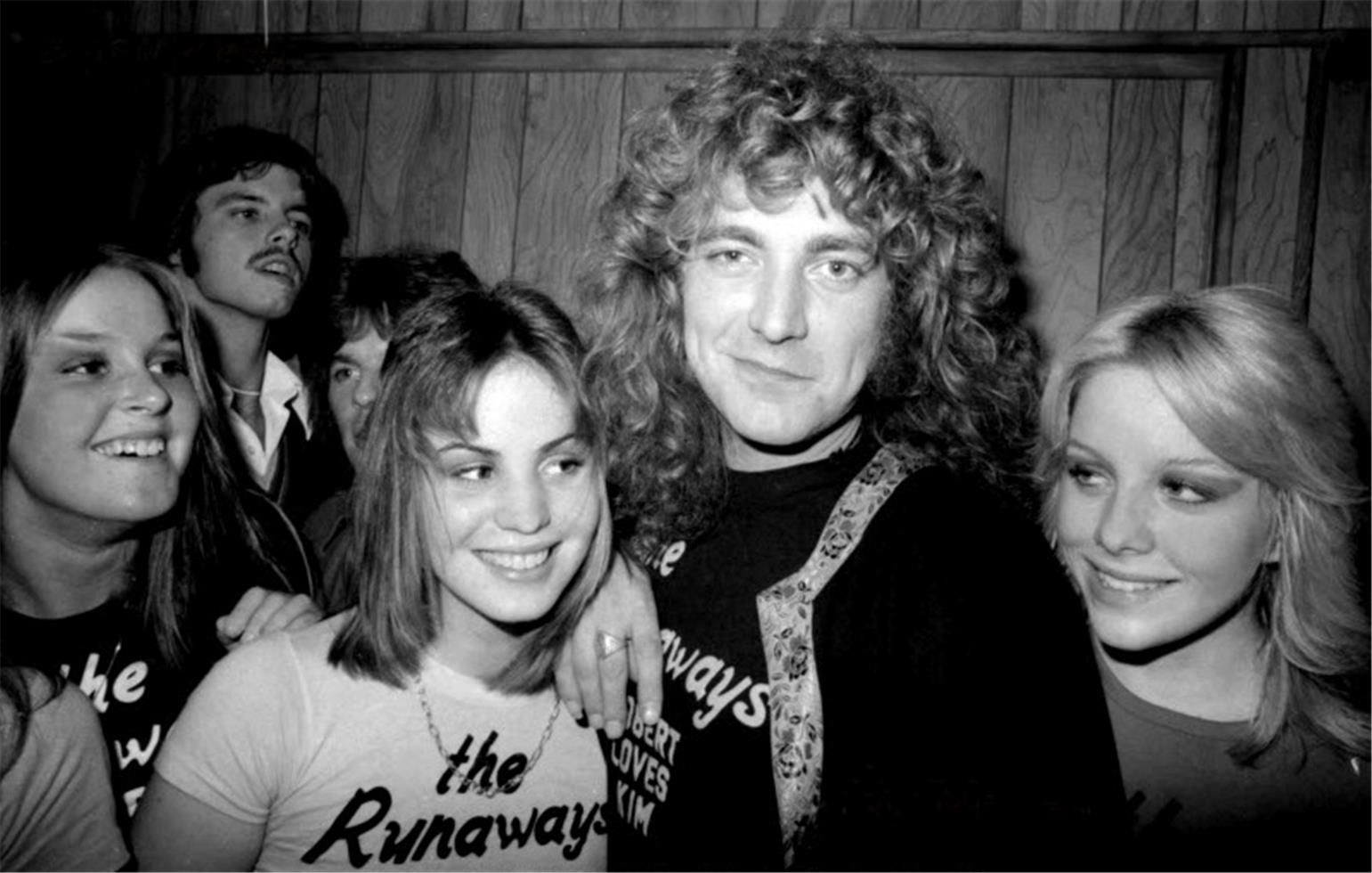
Robert Plant, Lita Ford, Joan Jett, Cherie Currie.

IMMusicRulz
Commercial User

Atlantic Records' exec Ahmet Ertegun, fledgling Producer Felix Pappalardi and Engineer Tom Dowd recording Cream's Strange Brew session. Dowd's splices of Clapton's solo on Crossroads made the song flow better. Felix landed his job by hanging out in the front office where an exasperated Ahmet in need of a Producer for their new band asked him, ''who are you? what do you do?'' Felix was then told to go in the studio and get to work.
photo-Michael Ochs Archives
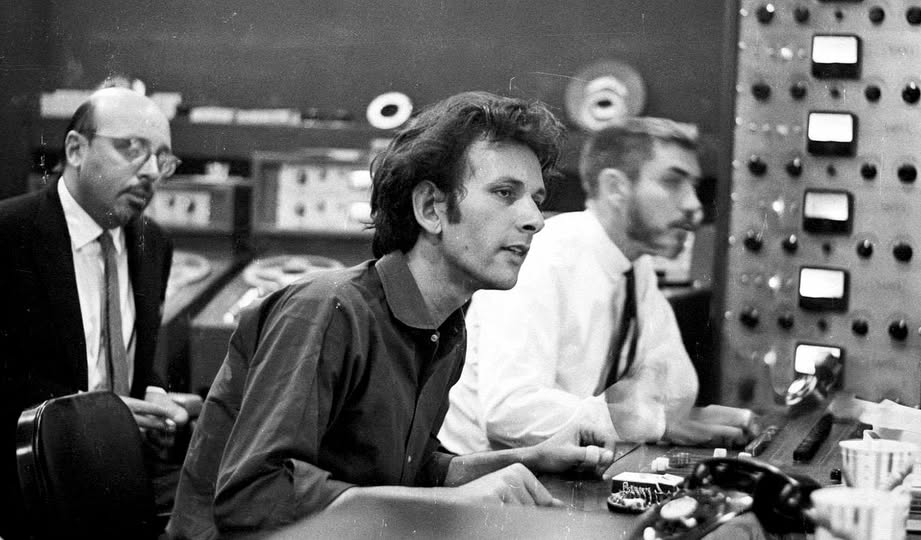
photo-Michael Ochs Archives


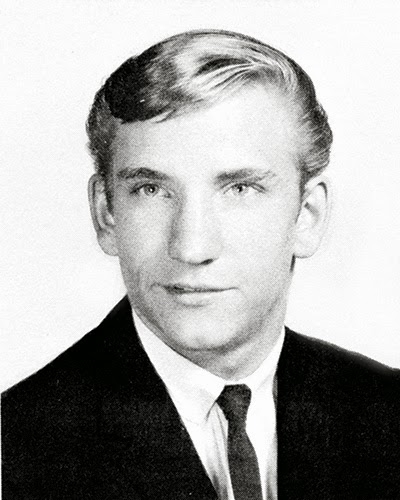
Joe Walsh as he appeared in the Montclair High School (New Jersey) yearbook, Class of 1965.


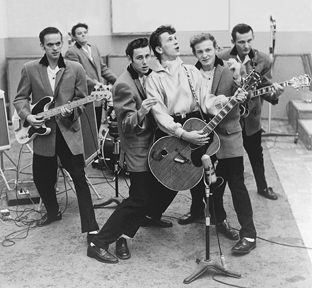
Gene Vincent and the Blue Caps (I wish I could have found a larger picture but I wanted this one because of the single coil slab body P Bass.)
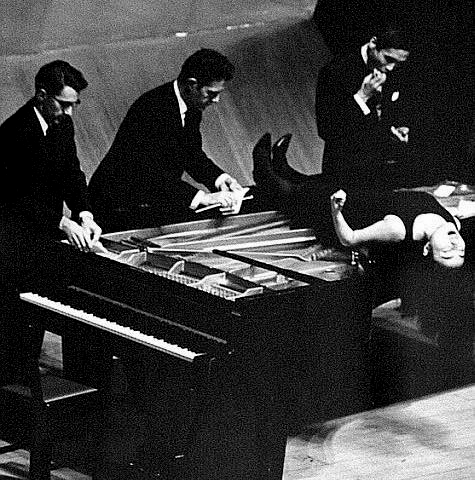
John Cage, David Tudor, Yoko Ono, Mayuzumi Toshiro, Music Walk 1962
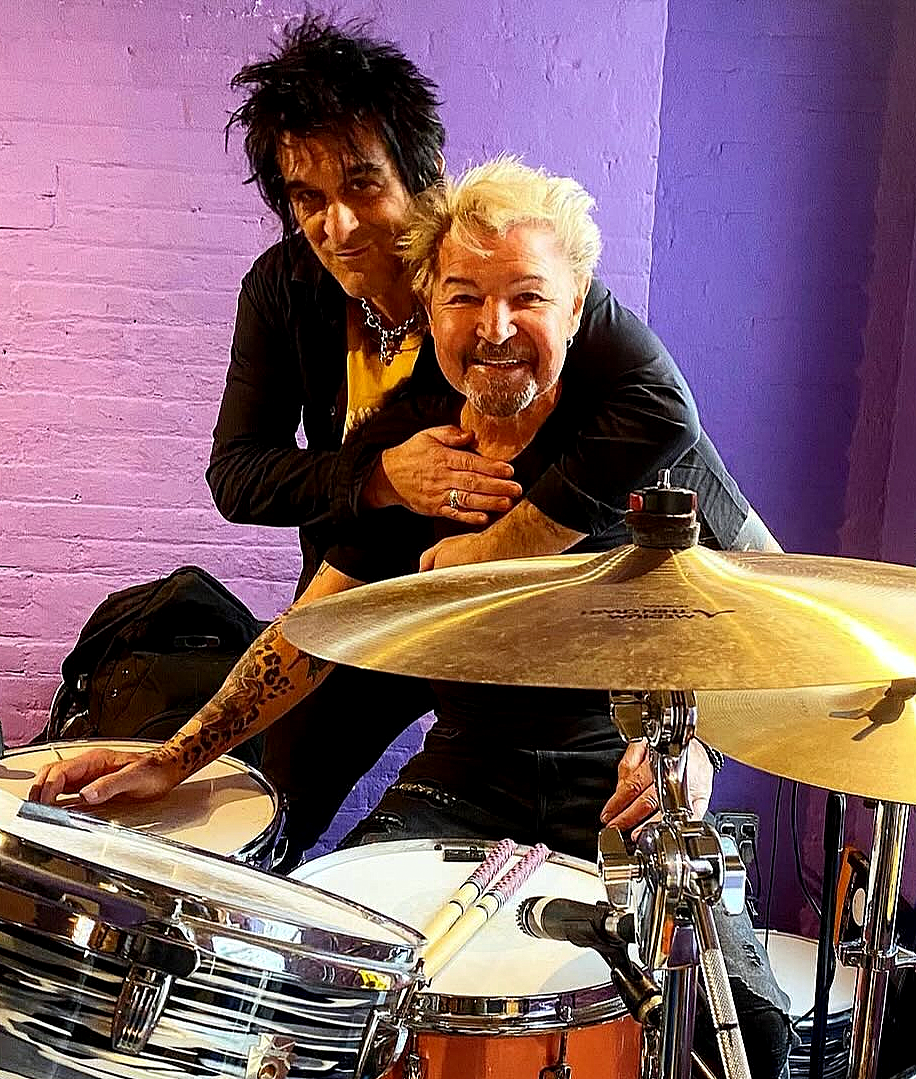
Steve Conte; ''It beaks my heart to say RIP Thommy Price, an amazing groove drummer, fantastic human being and a wonderful friend. I was honored to have done many gigs with Thommy when we played with Robert Gordon and to have him play on my album The Concrete Jangle. besides the rock gigs like Joan Jett & Billy Idol that he was most famous for, he could groove and play R&B as he did with Willy in Mink DeVille, we bonded over that when we met, and just spoke last week when he called to tell me he was coming to NYC soon and we talked about our kids. Thommy was a real warrior, I loved the guy and will miss him forever.''
Attachments

I'm sorry I missed your Gene Vincent posting last Friday. You know your music!!!!!!!!!!!
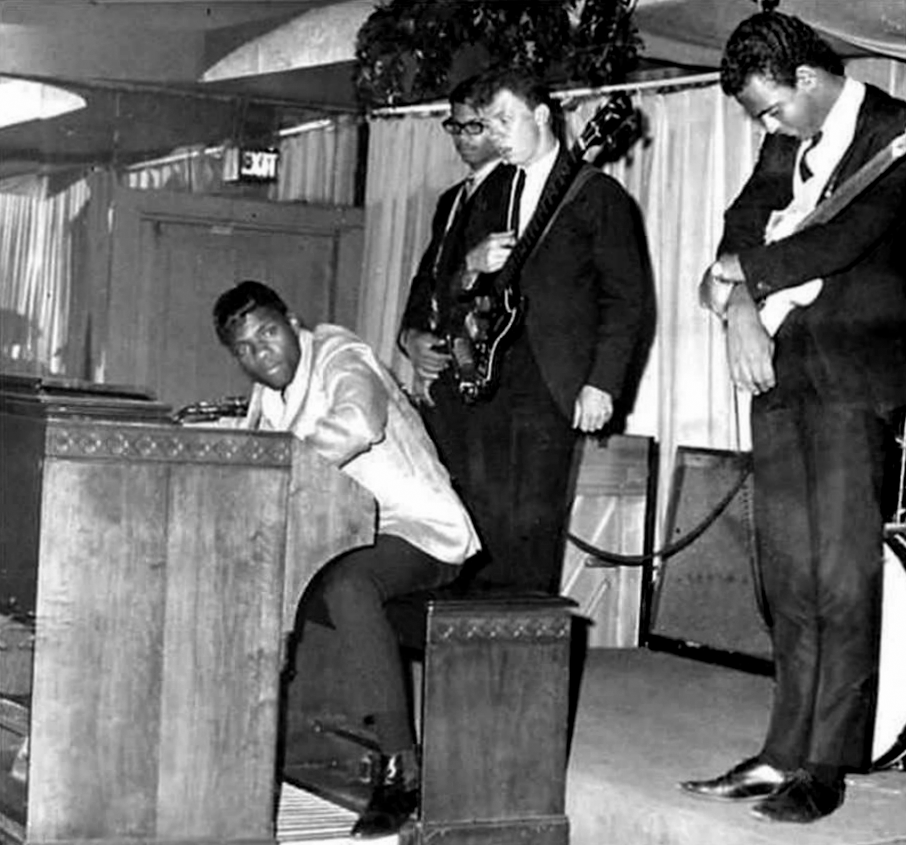
''the first incarnation of LOVE - Billy Preston, Johnny Echols, jazz-sax virtuoso, Michael Bolivar (wearing horned-rimmed glasses), kick-ass bassist, Mike Doud, and Don Conca on drums. When Billy left to pursue his gospel career Arthur Lee joined the group, and the rest is history!'' - Johnny Echols
California Dreaming: My Little Red Book, by Andrew Hickey; Arthur Lee and Johnny Echols were fated to make music together. Their families were close friends in Memphis Tenn. before either of them was even born. They'd lived only a couple of streets away from each other and attended school together. They were separated for a short while when Arthur's mother divorced his father, (a musician who played trumpet with Jimmie Lunceford's band) and moved to Los Angeles. Serendipitously… a few months later, the Echols' family also moved to LA, and Arthur and Johnny were once again next-door neighbors. While Arthur Lee took accordion lessons before switching to organ, Echols was the first to perform rock music, with a small group at school. Music was in the air at Dorsey High, along with Lee and Echols — Billy Preston, Clarence McDonald, all attended school together— and in their social circles; were Little Richard, Ornette Coleman, Ella Fitzgerald, Ray Brown Harrold Land, and many other well-known musicians. Brown also lived in the apartment building in which the Echols family lived for a while. Lee soon joined Echols' group after Billy Preston left to pursue his gospel career. And with his outgoing personality and Johnny's approval, the group was re-named Arthur Lee and the LAGs, in homage to Booker T and the Mgs.' They became musical fixtures around LA, writing songs and producing sessions at Del-fi Records, with the likes of Glen Campbell and the Bobby Fuller four. After hooking up with a rather unscrupulous promoter, they began playing under the names of just about any black group with a hit record— as the promoter assumed that nobody knew what those bands looked like anyway. They got away with it largely due to Lee's ability at vocal mimicry but were also helped by Echols' talent and showmanship. Echols would play the guitar with his teeth, or behind his head, and it's possibly no coincidence that around this time Lee hired an unknown guitarist called Jimi James, AKA Jimi Hendrix to play his very first session, on an obscure single written by Lee, called My Diary, sung by Rosa Lee Brooks. However, the LAGs were doomed as soon as Echols was invited by his friend Billy Preston (who had complimentary tickets after getting to know them in Hamburg) to see the Beatles at the Hollywood Bowl in early 1964. Within days, Lee and Echols had bought wigs and formed a new group that performed under the names The American Four, Weird. and sometimes Johnny's Echo. the new also band had a racially mixed rhythm section, and was one of the first (if not the first) integrated bands to play the LA rock scene, which like many other parts of the country, was still quite segregated. Lee also made a deliberate choice to start trying to sound like the white pop singers of the time, originally as a joke, but as he put it later "What started out as a put-on materialized as something real and positive." They were playing, not the soul and R&B that Lee and Echols had previously played, but top forty covers such as— Wooly Bully, Gloria, and Satisfaction — they put out one single, a song called Luci Baines, they didn't even try to hide the fact that it was patently derivative, a near knock-off of the R&B staple "Twist & Shout." This new style lasted nearly a whole year until Lee and Echols saw the Byrds playing at Ciro's. Both Lee and Echols quickly became part of the scene around Sunset Strip, hanging out with the Byrds, artists Carl Franzoni, Vito and Souze, Frank Zappa, Jim Morrison, Neil Young, and Bryan Maclean, among others. Their band once again changed its name, this time to The Grass Roots, inspired both by the Malcolm X best seller ("Up From the Grassroots") and the play on the word "grass", and for a couple of weeks they had an extra guitarist, Bobby Beausoleil, who would later become infamous, for his part in the Manson murders. However, in what seems in hindsight, a very wise move, they soon replaced Beausoleil with Bryan Maclean. Maclean had been around the music scene for a while himself and had learned guitar from Frank Zappa and Hamilton Camp, with whom he shared a love of Classical music. Bryan at one point had been invited to join Zappa's band. He also worked for a time as a roadie for the Byrds, and David Crosby in particular had taken him under his wing. He'd also auditioned for a new TV show that had advertised for "Ben Franks types" to play in a fictional band called the Monkees, but even though he was in fact a regular at Ben Franks (an all-night restaurant where all the hippest people hung out), he didn't make it onto the show. With Maclean as a member, his good friend David Crosby became instrumental in establishing the classic Love sound, a magical blend of electric guitars with a finger-picked acoustic counterpoint. David often advised them against sounding too much like the Byrds and to develop their own sound. The group had finally found the perfect balance — Lee, the aggressive, charismatic, unpredictable frontman, Echols the guitar virtuoso and mediator, and Maclean the sensitive, folky, melodist. The only problem now was their name — P.F. Sloan and Steve Barri had started recording and releasing singles under the name The Grass Roots, in what was considered by the group, and many music business insiders... an act of blatant theft of their name by Lou Adler; who was upset at the fact that they chose not to sign with his label and decided to capitalize on the groups growing popularity. Arthur, Bryan, and Johnny were driving past a bra manufacturer called Luv brassieres… when the universe smiled on them... Johnny jokingly informed Bryan of the fact that Arthur had once worked there (in the shipping department,) after the laughter died down, it was decided (unanimously) right then and there, that henceforth the group's new name would be LOVE. One evening, Lee and Echols ventured up to Hollywood, where they saw the movie "What's New Pussycat." Both became enamored with the title song, a haunting tune called My Little Red Book, Echols went home and played the song from memory, leaving out the complex minor chords and the unusual timing, turning it into a hard-hitting rocker instead. The original's swimmy Hammond organ and polite Paul Jones vocal had turned into snarling, soulful voices with a pulsating guitar and a hypnotic rhythm. Their first recordings, made at Art Laboe's Original Sound studios, have never surfaced, but Love recorded an entire album there in late 1965, for would-be manager (writer) Jerry Hopkins, who subsequently "misplaced" the recording after he and the group failed to reach an agreement on Jerry becoming Love's manager. By this point, they'd changed their rhythm section once again— their original bass player, John Fleckenstein had quit in order to become an apprentice Cinematographer, as well as to join the Standells. Ken Forssi, formerly of the Surfaris, replaced him, and soon brought in his roommate, Alban "Snoopy" Pfisterer, as a temporary replacement for Don Conca, the band's drummer, who by this point had become unreliable due to drug addiction. They were soon signed to Elektra Records and went into the studios at Sunset Sound in Hollywood, with label President Jac Holzman, co-producer Mark Abramson, and engineer Bruce Botnick. There they recorded the group's first album, simply entitled "LOVE". Elektra soon released the group's first single from the album, called "MY Little Red Book" which quickly moved up the charts. Burt Bacharach was not too pleased with their rendition at first, but when the royalties started pouring in, enabling him to install a brand-new swimming pool, he began to love the simpler version… LOVE had definitely arrived.
My Little Red Book
Composer: Burt Bacharach & Hal David
Line-up: Arthur Lee (vocals, tambourine), Johnny Echols (vocals, guitar), Bryan Maclean (vocals, guitar), Ken Forssi (bass), Alban "Snoopy" Pfisterer (drums).
California Dreaming: My Little Red Book, by Andrew Hickey; Arthur Lee and Johnny Echols were fated to make music together. Their families were close friends in Memphis Tenn. before either of them was even born. They'd lived only a couple of streets away from each other and attended school together. They were separated for a short while when Arthur's mother divorced his father, (a musician who played trumpet with Jimmie Lunceford's band) and moved to Los Angeles. Serendipitously… a few months later, the Echols' family also moved to LA, and Arthur and Johnny were once again next-door neighbors. While Arthur Lee took accordion lessons before switching to organ, Echols was the first to perform rock music, with a small group at school. Music was in the air at Dorsey High, along with Lee and Echols — Billy Preston, Clarence McDonald, all attended school together— and in their social circles; were Little Richard, Ornette Coleman, Ella Fitzgerald, Ray Brown Harrold Land, and many other well-known musicians. Brown also lived in the apartment building in which the Echols family lived for a while. Lee soon joined Echols' group after Billy Preston left to pursue his gospel career. And with his outgoing personality and Johnny's approval, the group was re-named Arthur Lee and the LAGs, in homage to Booker T and the Mgs.' They became musical fixtures around LA, writing songs and producing sessions at Del-fi Records, with the likes of Glen Campbell and the Bobby Fuller four. After hooking up with a rather unscrupulous promoter, they began playing under the names of just about any black group with a hit record— as the promoter assumed that nobody knew what those bands looked like anyway. They got away with it largely due to Lee's ability at vocal mimicry but were also helped by Echols' talent and showmanship. Echols would play the guitar with his teeth, or behind his head, and it's possibly no coincidence that around this time Lee hired an unknown guitarist called Jimi James, AKA Jimi Hendrix to play his very first session, on an obscure single written by Lee, called My Diary, sung by Rosa Lee Brooks. However, the LAGs were doomed as soon as Echols was invited by his friend Billy Preston (who had complimentary tickets after getting to know them in Hamburg) to see the Beatles at the Hollywood Bowl in early 1964. Within days, Lee and Echols had bought wigs and formed a new group that performed under the names The American Four, Weird. and sometimes Johnny's Echo. the new also band had a racially mixed rhythm section, and was one of the first (if not the first) integrated bands to play the LA rock scene, which like many other parts of the country, was still quite segregated. Lee also made a deliberate choice to start trying to sound like the white pop singers of the time, originally as a joke, but as he put it later "What started out as a put-on materialized as something real and positive." They were playing, not the soul and R&B that Lee and Echols had previously played, but top forty covers such as— Wooly Bully, Gloria, and Satisfaction — they put out one single, a song called Luci Baines, they didn't even try to hide the fact that it was patently derivative, a near knock-off of the R&B staple "Twist & Shout." This new style lasted nearly a whole year until Lee and Echols saw the Byrds playing at Ciro's. Both Lee and Echols quickly became part of the scene around Sunset Strip, hanging out with the Byrds, artists Carl Franzoni, Vito and Souze, Frank Zappa, Jim Morrison, Neil Young, and Bryan Maclean, among others. Their band once again changed its name, this time to The Grass Roots, inspired both by the Malcolm X best seller ("Up From the Grassroots") and the play on the word "grass", and for a couple of weeks they had an extra guitarist, Bobby Beausoleil, who would later become infamous, for his part in the Manson murders. However, in what seems in hindsight, a very wise move, they soon replaced Beausoleil with Bryan Maclean. Maclean had been around the music scene for a while himself and had learned guitar from Frank Zappa and Hamilton Camp, with whom he shared a love of Classical music. Bryan at one point had been invited to join Zappa's band. He also worked for a time as a roadie for the Byrds, and David Crosby in particular had taken him under his wing. He'd also auditioned for a new TV show that had advertised for "Ben Franks types" to play in a fictional band called the Monkees, but even though he was in fact a regular at Ben Franks (an all-night restaurant where all the hippest people hung out), he didn't make it onto the show. With Maclean as a member, his good friend David Crosby became instrumental in establishing the classic Love sound, a magical blend of electric guitars with a finger-picked acoustic counterpoint. David often advised them against sounding too much like the Byrds and to develop their own sound. The group had finally found the perfect balance — Lee, the aggressive, charismatic, unpredictable frontman, Echols the guitar virtuoso and mediator, and Maclean the sensitive, folky, melodist. The only problem now was their name — P.F. Sloan and Steve Barri had started recording and releasing singles under the name The Grass Roots, in what was considered by the group, and many music business insiders... an act of blatant theft of their name by Lou Adler; who was upset at the fact that they chose not to sign with his label and decided to capitalize on the groups growing popularity. Arthur, Bryan, and Johnny were driving past a bra manufacturer called Luv brassieres… when the universe smiled on them... Johnny jokingly informed Bryan of the fact that Arthur had once worked there (in the shipping department,) after the laughter died down, it was decided (unanimously) right then and there, that henceforth the group's new name would be LOVE. One evening, Lee and Echols ventured up to Hollywood, where they saw the movie "What's New Pussycat." Both became enamored with the title song, a haunting tune called My Little Red Book, Echols went home and played the song from memory, leaving out the complex minor chords and the unusual timing, turning it into a hard-hitting rocker instead. The original's swimmy Hammond organ and polite Paul Jones vocal had turned into snarling, soulful voices with a pulsating guitar and a hypnotic rhythm. Their first recordings, made at Art Laboe's Original Sound studios, have never surfaced, but Love recorded an entire album there in late 1965, for would-be manager (writer) Jerry Hopkins, who subsequently "misplaced" the recording after he and the group failed to reach an agreement on Jerry becoming Love's manager. By this point, they'd changed their rhythm section once again— their original bass player, John Fleckenstein had quit in order to become an apprentice Cinematographer, as well as to join the Standells. Ken Forssi, formerly of the Surfaris, replaced him, and soon brought in his roommate, Alban "Snoopy" Pfisterer, as a temporary replacement for Don Conca, the band's drummer, who by this point had become unreliable due to drug addiction. They were soon signed to Elektra Records and went into the studios at Sunset Sound in Hollywood, with label President Jac Holzman, co-producer Mark Abramson, and engineer Bruce Botnick. There they recorded the group's first album, simply entitled "LOVE". Elektra soon released the group's first single from the album, called "MY Little Red Book" which quickly moved up the charts. Burt Bacharach was not too pleased with their rendition at first, but when the royalties started pouring in, enabling him to install a brand-new swimming pool, he began to love the simpler version… LOVE had definitely arrived.
My Little Red Book
Composer: Burt Bacharach & Hal David
Line-up: Arthur Lee (vocals, tambourine), Johnny Echols (vocals, guitar), Bryan Maclean (vocals, guitar), Ken Forssi (bass), Alban "Snoopy" Pfisterer (drums).


