
Or take a caliper and measure the slot, maybe you're lucky and it fits the .110Thanks for your reply. I guess there is only one sure way to find out... Or, maybe I'll try and see if I can get hold of a single .110 cheap so I can test it out.

Enjoy the benefits of a premium membership!
Upgrade Account
-
TalkBass has been independent since 1998. Add your voice.
Create a free account to reply to discussions, view embedded media, and browse with fewer display ads.
Join free Log in
Want zero display ads or expanded classifieds tools? Compare plans.
You are using an out of date browser. It may not display this or other websites correctly.
You should upgrade or use an alternative browser.
You should upgrade or use an alternative browser.
More options
Who Replied?

Btw, widening the nut is one thing, there's a whole discussion on the luthier's threads about this, that is, the correct form of the slots. Straight, rounded, triangular, you name it, many options, many opinions...
This is why I'd like to avoid having to mess around with the nut slots if I can help it.
For sure, if you don't have a specific set of nut files you can use the tapered part of the string (if it's a roundwound) as a file, just go easy and try it until you get it in. Be sure to leave a bit of "space" for tuning because if it fits too tight you won't be able to tune the string correctly.
My way of filing has another advantage, because of the slight triangular shape it fits nearly all gauges, or in other words, if you go back to a lighter gauge you can do that without too much problems and certainly no need to change the nut again.This is why I'd like to avoid having to mess around with the nut slots if I can help it.

Here are my nut files
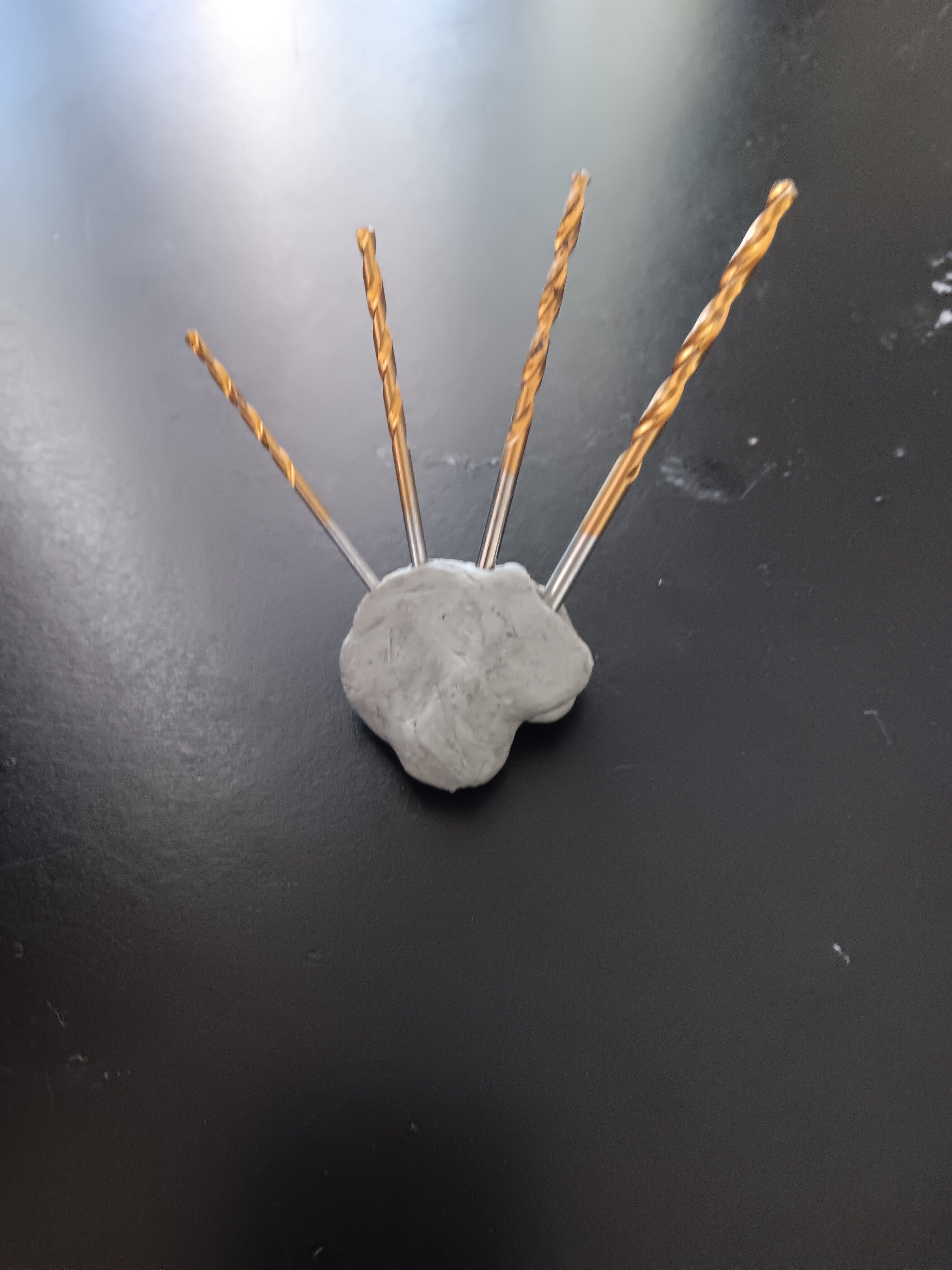
From left to right
.078"/2.0mm
.098/2.5mm
.118/3.0mm
.137/3.5mm
The size of gauges accomodated is self explanatory e.g
I currently have gauges
075 095 110 and 132. Waiting on some tapes which will be 75 100 115 and 135. No problem
From left to right
.078"/2.0mm
.098/2.5mm
.118/3.0mm
.137/3.5mm
The size of gauges accomodated is self explanatory e.g
I currently have gauges
075 095 110 and 132. Waiting on some tapes which will be 75 100 115 and 135. No problem
I play 50-105s on my MIA 7ender American Pro II P Bass and I didn't have to touch its nut.I have a question for my fellow DGCF enthusiasts...
For those who use 50-110 on American Fender P or J, did you need to widen the nut slots?
Or, how about Ibanez SR's?
I play 50-105s on my MIA 7ender American Pro II P Bass and I didn't have to touch its nut.
I'm not concerned about the .105, which is the factory string gauge. I was asking about .110.
Rightfully said, "heavy metal"Here are my nut files
View attachment 5425699
From left to right
.078"/2.0mm
.098/2.5mm
.118/3.0mm
.137/3.5mm
The size of gauges accomodated is self explanatory e.g
I currently have gauges
075 095 110 and 132. Waiting on some tapes which will be 75 100 115 and 135. No problem

Rightfully said, "heavy metal"
I'm not into heavy metal, but I can be a nut case.

Ha haRightfully said, "heavy metal"
Not an original idea using the drill bits, it's mentioned numerous places on TB and elsewhere. I originally used the chuck ends, which I roughed up a but, but I now use the flutes and then smooth the slots with the chuck end. I'm not just talking widening here, although that's fine if the nut action is where you want it. Partic on a new instrument you find the slots are not cut to a satisfactory depth. So I'll widen and deepen as required. I think it's a skill worth investing time and practice in, as is all aspects of a set up in general.
Wouldn't this change the string height at the nut? So that if you are playing a larger string, it would sit higher on the V.My way of filing has another advantage, because of the slight triangular shape it fits nearly all gauges, or in other words, if you go back to a lighter gauge you can do that without too much problems and certainly no need to change the nut again.

Yes it does, you're right about that and I was hoping someone would mention that.Wouldn't this change the string height at the nut? So that if you are playing a larger string, it would sit higher on the V.
BUT you do have the option to change the strings without things going buzzing. Cutting the nut in a slight V form is more difficult as you need to get the V in the exact dimension so that your string is at the required height.
There is however an alternative which I mostly use, here's how:
Take a normal nut, get a round file of the exact size of the original string (let say .105), file the nut to the required depth in a straight line.
Next take a diamond nail file and make the sides of the slot slightly in a V size without changing the rounded bottom.
Now you can actually put in a .110 string without changing the height of the string and it will fit snug within the V sized walls, no buzzing.
The great thing here is that you can always go back to the original gauge without having to do anything to the nut, and even go .120 if you want to try something heavier.
It takes a bit of practice but works very good.
Here is the nut off my only bass
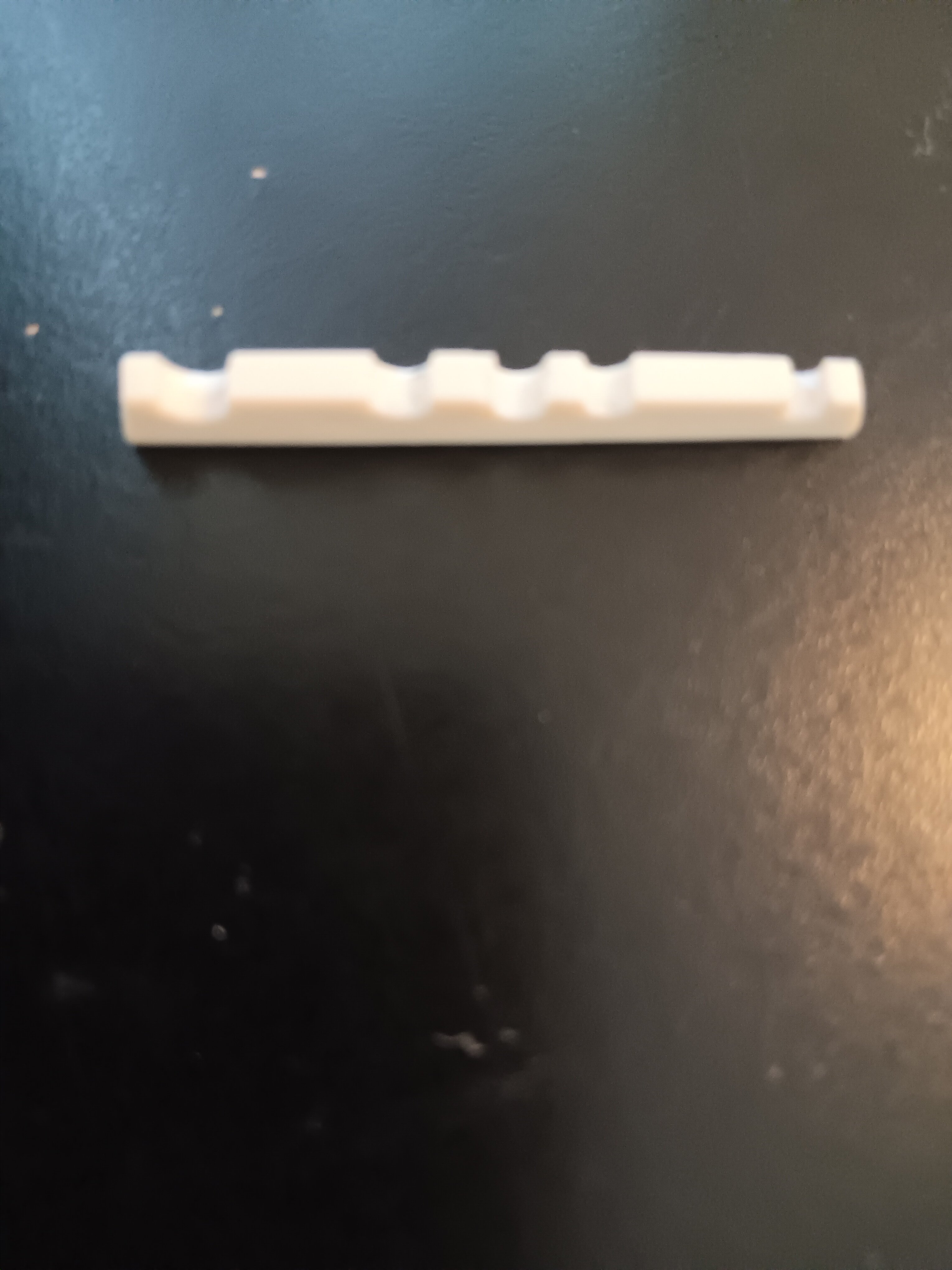 I've taken it to pieces for a body repaint. Yes, indeed the nut has an added slot, for when the 3 string mood takes hold of me. Note the big slots. One of the reasons I am going to try tapes, is that you can have the tactile feel of a heftier gauge without outlandish tension. E.g The 75 in the Roto88 5 string set tuned to D2 has 43.84lbf. If you wanted to jack that up to F2 for use in DGCF you can. Sure, the tension will be 62 lbf. But that is less than a Chrome 75 or Roto77 flat 075 or La Bella 73 tuned to D2. If you tried to crank things up from D2 to F2 with a regular 075 round or a flat, the tension would be a crazy 95-100lbf kind of thing.
I'm not worried about rattle if I went for lighter gauges and back to E standard. Coz I won't be
I'm not worried about rattle if I went for lighter gauges and back to E standard. Coz I won't be
Here's a view of the .105 string in the nut, exactly at the bottom of the slot.
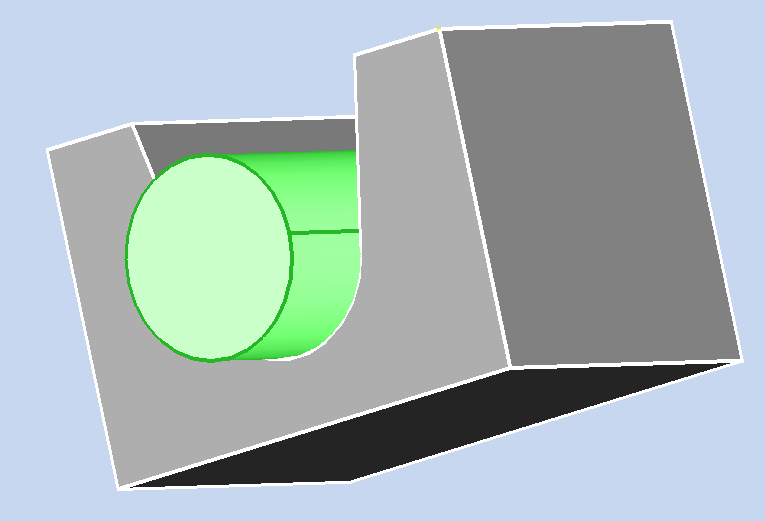
Now we put in a .110 string, it will go up just a fraction, but fits just fine because of the slanted sides.
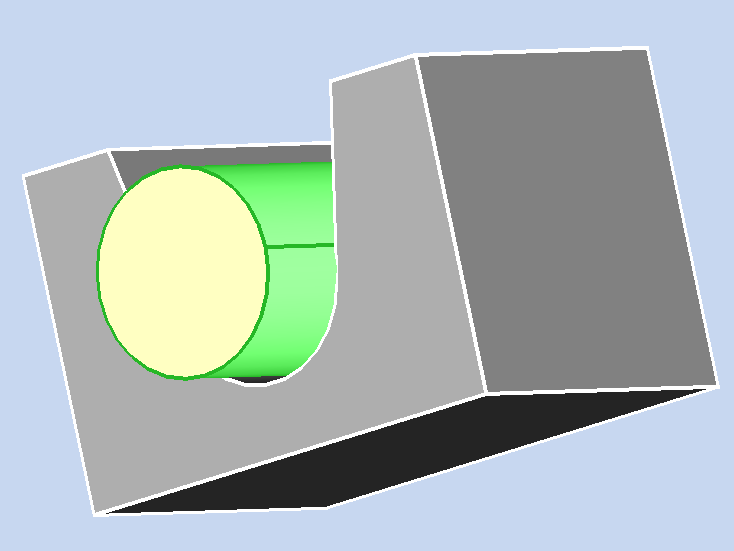
Now we put in a .110 string, it will go up just a fraction, but fits just fine because of the slanted sides.
I defer to the tips in on this page mostly .Nuts - how to cut the slots I say mostly, because I'm not pedantic about the megaphone shape curve downwards from nut front to nut rear or only having a string 'buried' to half it's diameter in the slot. Not encountered hassles not having things exactly so.
As I said earlier, there's a whole discussion around this and I'm not predicating anything, just explaining what I did and why, no more no less.I defer to the tips in on this page mostly .Nuts - how to cut the slots I say mostly, because I'm not pedantic about the megaphone shape curve downwards from nut front to nut rear or only having a string 'buried' to half it's diameter in the slot. Not encountered hassles not having things exactly so.
For those who use 50-110 on American Fender P or J, did you need to widen the nut slots?
Or, how about Ibanez SR's?
A slight change of plan...
I have a set of DR DDT 45-105 on order to try on one of my Jazz basses for DGCF. They're specifically designed for down-tuning with thicker core wires and added stiffness for tuning stability, so I may be okay with the standard gauges instead of having to go up to 50-110. That way I won't have to worry about whether the nut slots are wide enough.
Meanwhile, I happen to have a set of DR Nickel Lo-riders 45-105 in my personal stash. I will be trying them for DGCF on my newly-acquired Ibanez SR650E when I have it in my possession sometime before the end of this month.
Has anyone around here tried those specific DR sets for DGCF?
I have a set of DR DDT 45-105 on order to try on one of my Jazz basses for DGCF. They're specifically designed for down-tuning with thicker core wires and added stiffness for tuning stability, so I may be okay with the standard gauges instead of having to go up to 50-110.
Just an update...
DR DDT 45-105 just went on my Sandblasted Jazz tonight. They replace the Rotosound Ultramag 40-100 (EADG). The initial impressions are very positive as they feel just right under my fingers in terms of overall stiffness/flexibility. Positively firm without feeling uncomfortably stiff. I certainly won't need to go up to 50-110 with these puppies.
The open low D is deep, solid and clear. Tuning stability is excellent, as advertised. My experiences with stainless steel rounds are rather limited, but I'm looking forward to putting them through their paces. I have a good feeling they will work out fine.

Now, this is a club I'd happily love to join! I tune all my basses DGCF since 2018, acoustic, electric, fretted, fretless. For me it just works, and I don't get why it to me so long to find out. 
(Alright, except for a handful of blues/R&B cover versions on the acoustic fretless where I'm doubling some typical fast E or A guitar licks and have to use a capo due to my short "baby fingers"…)
(Alright, except for a handful of blues/R&B cover versions on the acoustic fretless where I'm doubling some typical fast E or A guitar licks and have to use a capo due to my short "baby fingers"…)
Welcome to the D Standard Club @loukash! Great minds think alike!Now, this is a club I'd happily love to join! I tune all my basses DGCF since 2018, acoustic, electric, fretted, fretless. For me it just works, and I don't get why it to me so long to find out.
(Alright, except for a handful of blues/R&B cover versions on the acoustic fretless where I'm doubling some typical fast E or A guitar licks and have to use a capo due to my short "baby fingers"…)


