• TalkBass has been independent since 1998. Add your voice.
    Create a free account to reply to discussions, view embedded media, and browse with fewer display ads.
    Join freeLog in
    Want zero display ads or expanded classifieds tools? Compare plans.

Did I ruin this PJ body?

I'd put one of these on there.
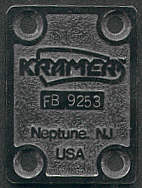
plate6.jpg

I always put oddball neck plates on my basses, a cast plate with a gasket would help disguise that a little.

 
If you bent the neck plate, either replace (I would) it or use a heavy rubber hammer and beat it out flat again.

If you don't. it will likely damage the body again, and not seat properly.
Respectfully I would disagree and say it is better to have the bent plate that conforms to the indentations on the body. A flattened plate will either bend again or cause gaps at the corners.
 
This! Choices are
1. just ignore the problem and leave it as it is. Bent plate and all . Will work fine and won't even look bad.

2. use Epoxy to fill in the indents and use a thick neck plate. No need to get the glue outside the neck plate area on the finish. A gasket can be used but it may change the tone slightly. A tight neck joint often sounds and plays better to me. I doubt that otherwise this mod will make any difference.

3. save pennies and get rid of that soft basswood body and get a bass with real tonewood. Let me say I've got 8 or so SX basses with alder and ash bodies and I've put threaded inserts on them all so I can REALLY crank them down and I've NEVER had any crushed wood or bent plates like yours!

I was going to mention that this would be a good time for threaded inserts, esp. if you have a drill press. You can read more about them, & see photos of installs, here:

basses for newbies (SX batch build thread)
 
Lol, I have the opposite problem: I can't get the screws out of the neck plate. I didn't drill the holes deep enough, trying to avoid a loose fit. Now the neck's not all the way on, and the screws won't budge. I'll have to start a separate post on how to get out neck screws that are stuck.
The screws are expendable. you can grab the heads with a channel lock or vice grips and twist then out or cut the heads off, separate the neck and then twist them out. I'd try the first option first because sometimes the body isn't drilled out properly and the screws are threaded in it as well as the neck. If that's the case and you cut the head off then you have compounded the problem. You can buy new screws and neck plate if needed.
 
  • Like
Reactions: Double E
Looks like I over tightened the screws when I was reattaching my neck. I didn't notice until I just pulled the neck off again last night. Seems it actually caved in the wood a bit. It's a Squire body, so I assume part of it is due to cheap wood. Is this now ruined or should it be fine moving forward?

View attachment 1052084

wow!

That's either a Squier Butter bass, or you're the Hulk.
Or used a strong power drill to tighten up the screws...

That doesn't look great, the metal plate must be bent too. I imagine it will probably still work but tighten the screws by hand only, that's all you need. Tight, but hand tight. I also put a bit of wax on the screws before they go back in so that they smoothly go into the old threads rather than destroying them and enlarging the hole. If you used a power drill then I suspect the screw holes are also wider than originally by now too.

It'll still work, but you need to be a bit more careful in the future as with that bent plate and the caved in wood, you need to reassemble it exactly as it is now.
 
Wow, that looks like a cardboard body, must be very light. ... You can put a 70's style plastic plate below a new neck plate and it shouldn't show but, I'd be concerned that you driven the screw further into the neck than they should go and when you put it back together you might not get it as tight as it should. ... Most likely this shouldn't be a problem and more a concern. ... A decent luther will let you know.
 
If you bent the neck plate, either replace (I would) it or use a heavy rubber hammer and beat it out flat again.

If you don't. it will likely damage the body again, and not seat properly.

I disagree. The plate now fits the shape of the wood. I'd keep it as it is. If you use a new plate there will be gaps at the corners and eventually will bend too. You could fill the wood and partially refinish, but I doubt you'll gain anything over what you have right now. I'd just leave it.
 
I only ever hand tighten and loosen screws on my bass. Seen too many guys on construction sites ruin stuff by trying to use an electric impact gun instead of just grabbing a screwdriver.

If it were my bass I'd fill in the dents, sand flat, and get a new plate. If I couldn't make the neck fit tightly I'd use a drill press to slightly enlarge the screw holes in the neck and body, glue in wood dowels, predrill new (smaller) holes, and put in new screws. I'd use square drive instead of Phillips to avoid stripping.

Disclaimer: I'm not a luthier
 
The screws are expendable. you can grab the heads with a channel lock or vice grips and twist then out or cut the heads off, separate the neck and then twist them out. I'd try the first option first because sometimes the body isn't drilled out properly and the screws are threaded in it as well as the neck. If that's the case and you cut the head off then you have compounded the problem. You can buy new screws and neck plate if needed.
Thanks for the advice. I left out some information: The screws are sunken into the neck plate divots and are completely flush. The gap is between the neck and the body. I didn't notice that the neck was being pushed away from the body as I was tightening the screws.
 
Thanks for the advice. I left out some information: The screws are sunken into the neck plate divots and are completely flush. The gap is between the neck and the body. I didn't notice that the neck was being pushed away from the body as I was tightening the screws.
You requirements exceed my expertise. I will now abandon you to the benevolence of others.
 
  • Like
Reactions: fretter
Respectfully I would disagree and say it is better to have the bent plate that conforms to the indentations on the body. A flattened plate will either bend again or cause gaps at the corners.

I disagree. The plate now fits the shape of the wood. I'd keep it as it is. If you use a new plate there will be gaps at the corners and eventually will bend too. You could fill the wood and partially refinish, but I doubt you'll gain anything over what you have right now. I'd just leave it.

If he does not intend to repair the divoits, I agree.

I'd fix the divots with bondo, or some such patching material, not wood filler wich is too soft, flatten the plate and call it a day.

Either way, that is just my opinion.
 
Thanks for the advice. I left out some information: The screws are sunken into the neck plate divots and are completely flush. The gap is between the neck and the body. I didn't notice that the neck was being pushed away from the body as I was tightening the screws.
I believe that the cause of what you are experiencing may be that the screws thread solidly into both the body and the neck. This is not a good recipe for a tight neck joint since any gap that exists when as the screw penetrates through the body and into the neck cannot be drawn tighter.

When you do this with all four screws you effectively have as many as three locked screws because each one may have slightly pushed the gap apart while it was threading into the neck and, as I said, effectively locking the previous screw in tighter.

One of the screws should still be loose enough to back out, so check each one carefully, and after that one is out there should be another that is a little more movable... and so on...

I think you can do it, just be patient and make sure you are using a screwdriver bit that is engaging the head solidly and push it in tightly while you are attempting to back it out to try to avoid stripping the head because if you do that then it's game over... then only destructive methods will be your option.

The moral of this story is that the body should be drilled to allow the screw to slip through without threading into the wood. Many manufacturers actually do not do this and can get away with it because apparently they have methods to clamp the neck and body together while it's screwed together. I sometimes notice this when I take apart a bass, like my Lakland 55-60 for instance. I reamed out those holes before I put it back together so I could pull the neck down nice and tight.
 
Last edited:
i feel like this is nasa mission control and OP is marooned on mars looking at the bent neck plate on his space bass.
bring him home.
If the OP has done anything other than re-assemble that bass using the bent neck plate he is simply wasting his time. Nothing good can come from expending the energy and aggravation of trying to fix this problem for the bass in question.