I wanted my bass to breathe but I realized it’s just dead wood so I sprayed it with krylon.


TalkBass has been independent since 1998. Add your voice.
Create a free account to reply to discussions, view embedded media, and browse with fewer display ads.
Join free Log in
Want zero display ads or expanded classifieds tools? Compare plans.
I wanted my bass to breathe but I realized it’s just dead wood so I sprayed it with krylon.

Can I ask what you put on them?All my instruments (I do the finishes myself) are done in polyurethane, but not the thick poly (usually polyester) that manufacturers use - it's thin, and I don't fill the pores. Does it make a difference? Yes. Is it subtle? undoubtedly. Am I going to try to convince people that don't believe that finish can make a difference? Nope.
Does it harden like Tung Oil?Can I ask what you put on them?
I've got a raw body that I've sanded the terrible cloudy lumpy not so clear coat off of and I'm trying to decide what finish to put on it.
I'm thinking maybe dye it with Angelus leather dye first and then finish it.
But maybe an amber or garnet shellac will be enough to color it and then final finish.
I've wondered how good is Tru Oil is for a final finish.

I don't know, probably time for me to go search Talkbass a bit.Does it harden like Tung Oil?
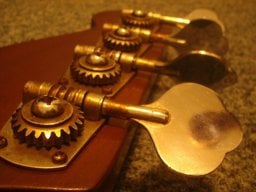




Over in the Thunderbird club, I commented that part of what makes an Epiphone thicker than a similar Gibson is the thick finish on Epiphones (at least the modern ones).
That thick poly finish is durable and probably a lot faster to produce than a Gibson nitro finish.
I don't believe the finish thickness makes any difference to the output sound of an electric bass, but
I've been wrong before...
Do you think it makes a difference? If so, can you produce evidence?
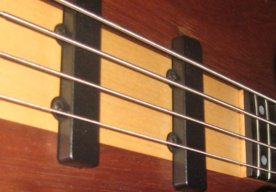

Billy Gibbons and Matt Sorum playing cardboard instruments - check out the tones:
In a way this might provide an oblique answer to the poll question...

Paint and finish has weightWeight?