
Tort carrot inlays to be specific.Almost there... can you give us a maple neck with tort blocks by chance?

TalkBass has been independent since 1998. Add your voice.
Create a free account to reply to discussions, view embedded media, and browse with fewer display ads.
Join free Log in
Want zero display ads or expanded classifieds tools? Compare plans.
Tort carrot inlays to be specific.Almost there... can you give us a maple neck with tort blocks by chance?

I'm sure it only comes with flats...Fender released a Talk Bass LE American Pro Precision!*
Awesome, full Tort body! Only, why mint color pickguard? Would you change it?
View attachment 3787780
*) in a humorous alternate universe maybe.

Almost there... can you give us a maple neck with tort blocks by chance?

Huh. Well, maybe you really are a little colorblind. I mean, it's not a super-dramatic difference, but they're different.Not really, I had a Squier Strat that was cherry burst with a "mint" guard, always thought it was white.

You have just created the holy grail of bass.

God help me, I LIKE it. You could proabably get a vinyl Wrap in that color, or have it faux painted. Or, if you had a bound edge, use actual tort sheet stock on the body and headstock. Sick, eh?There you go!
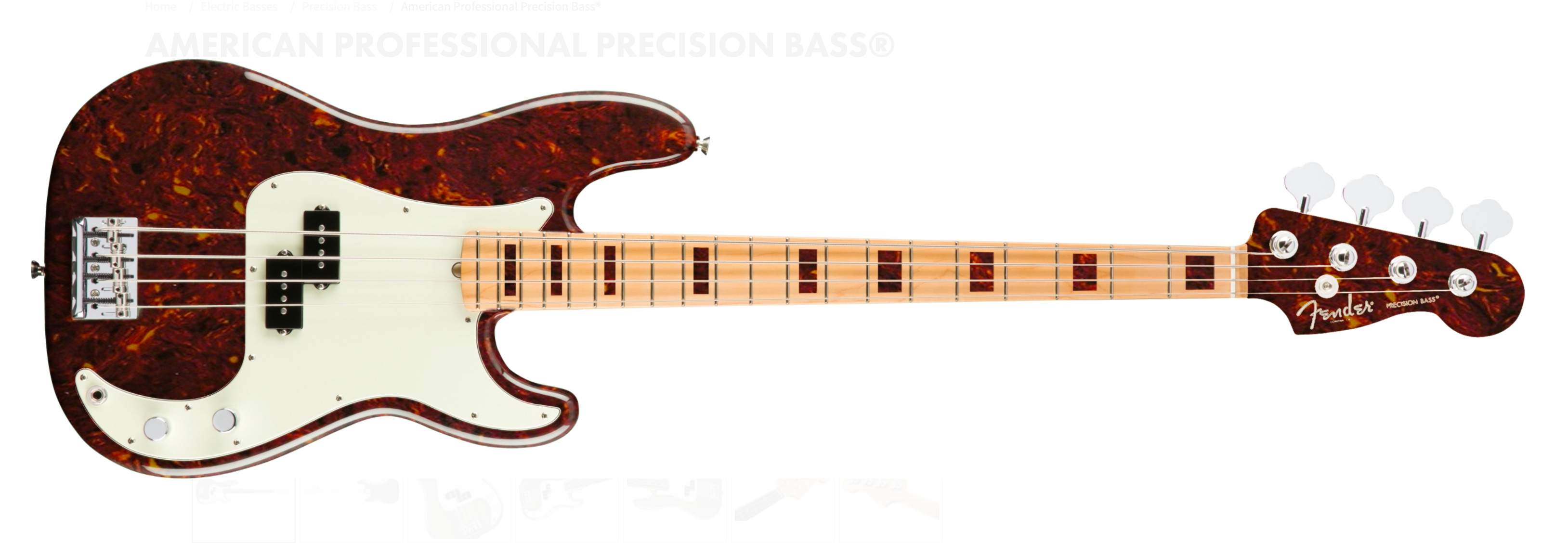
Carrot fret markers in tort on the one SakuBass just created.Honestly except for the tort head stock it looks pretty cool. Maybe Fender will take a cue and make a TB Signature P-Bass. TB members can purchase carrot decals to add for a personal touch, if they wish.
In a major way!God help me, I LIKE it. You could proabably get a vinyl Wrap in that color, or have it faux painted. Or, if you had a bound edge, use actual tort sheet stock on the body and headstock. Sick, eh?

I’m picturing Dwight Shrute saying this.They are strung with Fender's new "Flat-Rounds".
They use quantum technology to produce a string that is both flatwound and roundwound at the same time. They are also tort.
That would actually look amazing as a Jazz Bass.

The cheap tort guards are just laser printer photo film, this wouldn't even be that hard to produce as a wrap, once you get past the slightly demented aspect. A bound model like an Aerodyne Jazz, where the binding stops the top finish cleanly, would be sick.
To get the material to wrap around something with curves as tight as an instrument, you need to apply heat, sometimes a lot. I can imagine that amount of heat having the potential to cause extensive damage to something made of wood, with a poly or lacquer finish.
If you’re dealing with flat surfaces, no so much.
(I install auto trim, so this something I’m familiar with.)

I don't think so. The heat is applied quickly and doesn't really get through the outer layer. The wood would be just fine.To get the material to wrap around something with curves as tight as an instrument, you need to apply heat, sometimes a lot. I can imagine that amount of heat having the potential to cause extensive damage to something made of wood, with a poly or lacquer finish.
If you’re dealing with flat surfaces, no so much.
(I install auto trim, so this something I’m familiar with.)


