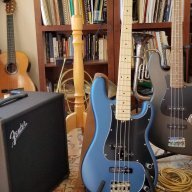
HahahaAbsolutely disgusting! That's way too much cream in your coffee.

TalkBass has been independent since 1998. Add your voice.
Create a free account to reply to discussions, view embedded media, and browse with fewer display ads.
Join free Log in
Want zero display ads or expanded classifieds tools? Compare plans.
HahahaAbsolutely disgusting! That's way too much cream in your coffee.
Right on. I have ashdown 2X10 and 4X10 cabs I pair with my David Eden headBeautiful setup! I'm getting an Ashdown Studio 15. Still have my Rumble 100. Wanted a different tone.
That's the backside of our band's coffee mug btw...Absolutely disgusting! That's way too much cream in your coffee.
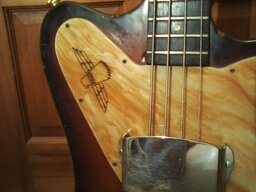
Yes. Line out is post everything, so any tweaking will affect tone/levels sent to FOH. I don't have that concern. No FOH-ever.I tried posting this question earlier but I don't think it posted??? Anyway, I have a Rumble 500 combo question: Does either the gain or main volume knob control the signal/volume level sent to FOH from line out/xlr?
You're saying gain and main effect line out output/volume?Yes. Line out is post everything, so any tweaking will affect tone/levels sent to FOH. I don't have that concern. No FOH-ever.

In the wiki, there are a set of links with various discussions of this topic:You're saying gain and main effect line out output/volume?
Thank youIn the wiki, there are a set of links with various discussions of this topic:
Fender Rumble Club Wiki Page | TalkBass.com
Yup.You're saying gain and main effect line out output/volume?
Cool! I rarely use any o/d anyway, so this'll come in handy.View attachment 3495143 I got a chance to test drive this odd couple and kinda fell in love. The foot switch works great as a mute with drive and level at zero. That’s a PJB C4 with Piranhas and is 400W@8 ohms, just like the Rumble 800 head. I got it loud enough to feel like it would keep up with my guitarist and drummer without disturbing the neighbors... the master is around 8:45, or 3-ish if it were numbered. Able to practice without a cab, has aux in, and DI, so it basically goes from bedroom to stage without so much as a grumble. Yummy! Thanks Fender!

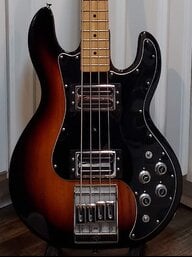
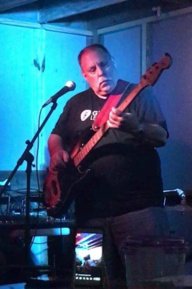

A gain setting at noon is unity gain, and will work fine. It does not affect EQ much, but the amount of gain set will affect the amount of compression in Vintage mode, as well as the overdrive circuit.Hey guys... just wanted to bend your ears a little about my R500 (head) settings:
I wanted to try fiddlin’ around with the EQ settings a bit. I know the Rumbles have got a reputation for being “boomy” or kind of “dull” sounding. I understand that this is Fenders “baked in” signature tone. I like it, but I just wanted to see if I could achieve a “clearer” and more mid-range tone. All this tweaking is going through a R115 cab with horn on.
I boosted the gain to noon and adjusted the master to taste (in this case I had it at around 10 o’clock). Bass is around 11 o’clock with vintage button engaged. Low mids, high mids and treble at noon.
These settings “cleaned up” the low end and revealed a mid-range punch. I really am pleased with the results!
I was using my Squier FSR CV P bass with GHS Pressurewounds. Volume dimed with the tone at around 80%.
Going to try my Fender 60s J today with the same EQ settings. This bass is dressed in GHS Precision Flats, however. I’m curious to see how this bass sounds with the aforementioned EQ settings.
Has anyone out there tried there Rumbles with the gain knob set around noon?
ThanksA gain setting at noon is unity gain, and will work fine. It does not affect EQ much, but the amount of gain set will affect the amount of compression in Vintage mode, as well as the overdrive circuit.
If you want a clearer midrange tone it’s better to use the 4-band
EQ and boost the mids somewhat. You could also try the Bright mode, which can be used together with the Vintage mode if you so desire. I can also heartily recommend a dip in the Invalid Link Removed for tips on EQ settings.
In the tone pool listed in JakobT’s response above there’s an “actual flat” setting which should be a pretty good start for you.Question for the experts: What is the deal with the Rumble 800 head power amp?
I assume it is a class D ICE module as is found in the 200 and 500, however, my question is, what does that mean exactly? Does it allow for a flat response? Is it voiced in a particular manner?
I have a Line 6 Helix and have thought about using the Rumble as a power amp (via effects loop) into a passive FRFR cab (a Barefaced Big Baby II, perhaps) or a guitar cab.
Just wondering if it will color the sound.
Thanks in advance!
I assume if you're bringing the signal in via the effects loop, however, that any of the settings would be bypassed.In the tone pool listed in JakobT’s response above there’s an “actual flat” setting which should be a pretty good start for you.
The power amp is just that - a power amp, and it’s the same ICE module that’s found in countless other amps as well. The voicing is in the preamp, the power amp just does the heavy lifting. If you connect the Helix via the effects loop, you bypass the preamp completely, so the sound from the Helix should not be changed at all. The cab might change it somewhat, however, depending on what cab you use.Question for the experts: What is the deal with the Rumble 800 head power amp?
I assume it is a class D ICE module as is found in the 200 and 500, however, my question is, what does that mean exactly? Does it allow for a flat response? Is it voiced in a particular manner?
I have a Line 6 Helix and have thought about using the Rumble as a power amp (via effects loop) into a passive FRFR cab (a Barefaced Big Baby II, perhaps) or a guitar cab.
Just wondering if it will color the sound.
Thanks in advance!
So I need some clarification here, if you plug your instrument into the Helix then into the effects return, you bypass the preamp, but if you plug into the amp with the Helix in the effects loop, I don’t believe you’re bypassing the preamp... correct?The power amp is just that - a power amp, and it’s the same ICE module that’s found in countless other amps as well. The voicing is in the preamp, the power amp just does the heavy lifting. If you connect the Helix via the effects loop, you bypass the preamp completely, so the sound from the Helix should not be changed at all. The cab might change it somewhat, however, depending on what cab you use.