
Are you doing originals or covers? Cover bands are a dime a dozen. Original bands are crud and GI issues or are the "next new thing", high risk and high reward. For cover bands, go reliability. For originals, go talent and chemistry and vision.Hi everyone.
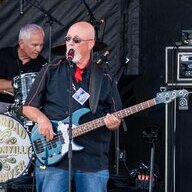
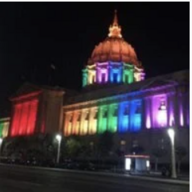
I have been playing the bass for the past 17 years, I have joined several amateur bands but no serious projects, I rarely had any gig besides a huge one 2 years ago (picture attached).
For many practical reasons, I eventually consider creating my own band (travel, almost no musical projects where I live, musical influences etc).
What advices do you have regarding selecting the other members of the band ?
I guess there are obvious answers like having someone involved, that works the tracks before rehearsing, that is on time and friendly.
But besides that, any advise or any specific reasons that made you select a musician over an other ? I am looking for the kind of feedback you only get from people that have been doing this for years and years so that I don’t do too bad at creating my first band.
Thanks !
View attachment 7207790

Enjoy the benefits of a premium membership!
Upgrade Account
-
TalkBass has been independent since 1998. Add your voice.
Create a free account to reply to discussions, view embedded media, and browse with fewer display ads.
Join free Log in
Want zero display ads or expanded classifieds tools? Compare plans.
You are using an out of date browser. It may not display this or other websites correctly.
You should upgrade or use an alternative browser.
You should upgrade or use an alternative browser.
First time creating a band - advices needed !
- Thread starter Romain909
- Start date
More options
Who Replied?

I would do this.
Advertise you are creating a band. In your ad, be specific and detailed about everything.
You should expect to schedule multipe auditions. Pick the strongest candidates for the first audition. Go through the set list then call for a song you didn't include in the set list. This is to see how applicants respond to the unexpected and how well they handle unexpected situations.
Be aware of the applicants' behavior. Is one a druggy? do they seem like they mignt be a good hang? do they show up on time prepared? How do they interact with the other musicians?
After the audition either call or visit each applicant you auditioned. If they are obviously not a fit, tell them so and why. I know it isn't pleasant, but it is a fair and just we do deal with people. I once had that happen and the BL that turned me down later became a good friend. We have been friends for 15 year now and played a few pickup gigs together.
If the application is still in the running. Ask them how the felt about the audition and ask them how they felt about the other applicants at the audition. That is looking for possible personal conflicts.
If any of the first round applicants look like a very good fit, invite them to the next audition, but not more than one or two of them. Then add your second level selections and add them to the next audition. Continue this iteration until you have selected the musicians that will actually be the band.
Now you're ready to start rehearsals.
Best of luck to you.
Advertise you are creating a band. In your ad, be specific and detailed about everything.
- What genres you will be playing
- Include a set list of about 5 songs applicates will be expected to know for auditions
- What instrumentation you will want
- What you goal for gigging is
- how often
- how much travel
- types of venues
- What per gig compensation will be extected
- Rehearsal location
- Rehearsal frequency
- Audition date, time, and location
- Request a music resume and some audio or video of the applicant's playing
You should expect to schedule multipe auditions. Pick the strongest candidates for the first audition. Go through the set list then call for a song you didn't include in the set list. This is to see how applicants respond to the unexpected and how well they handle unexpected situations.
Be aware of the applicants' behavior. Is one a druggy? do they seem like they mignt be a good hang? do they show up on time prepared? How do they interact with the other musicians?
After the audition either call or visit each applicant you auditioned. If they are obviously not a fit, tell them so and why. I know it isn't pleasant, but it is a fair and just we do deal with people. I once had that happen and the BL that turned me down later became a good friend. We have been friends for 15 year now and played a few pickup gigs together.
If the application is still in the running. Ask them how the felt about the audition and ask them how they felt about the other applicants at the audition. That is looking for possible personal conflicts.
If any of the first round applicants look like a very good fit, invite them to the next audition, but not more than one or two of them. Then add your second level selections and add them to the next audition. Continue this iteration until you have selected the musicians that will actually be the band.
Now you're ready to start rehearsals.
Best of luck to you.

songwriter21
I have an obsession for wood. The musical kind.
At least be able to play the material/competently play in general, and be reliable/dependable. Also, you have to be a decent person.. I don't care if you're YT's most viral wizard...if you aren't cool to hang with...NEXT.
I like the advertisement that you wrote. It states quite clearly the direction you want to go. I would also be specific about wanting to be the band leader driving the project, but that you welcome collaboration on musical direction, sound and PA management, etc. I would also indicate the time frame you have in mind... "I would like to have enough material (60 minutes, one full set, etc.) ready to perform live within ___ months at (types of venues) within (distance of your location)." I'm always up-front about drinking and drugs. I'll have an occasional drink, but I prefer to be around others who also play sober.Thanks everyone. Learning a lot !
To clarify things, I want to be the band leader since I am used to initiate projects and drive them, making sure everything works fine and goes forward.
I want some level of consensus as long as it does not create stagnation.
I am generally good at project management and I work as a communication consultant.
However I ll need help with PA set up and sound management or musical direction.
It seems important to clarify the roles and various abilities as soon as possible.

“ Every cover that we all recognize now was once an unknown original”I'm never down with this complete dismissal of doing something original. Every cover that we all recognize now was once an unknown original.
That being said - define your expectations about material first, before all else. Some people will see being in a cover band as 'easy' because there's no unfamiliar material to suss out.... it's all there. Recordings to reference, chords in the public domain to research, etc. Some people REALLY DIG being part of something original, even if it's just a few songs here and there thrown in. I refuse to accept the notion that people don't have the appetite for original music. I have years of evidence and kind words from complete strangers in the audience who come up after one of our shows and ask 'what standard was that in the first set?' I proudly tell them it was an original.
If your absolute goal is to gig quickly and try to make several dollars doing it, then the cover band route will get you there. If you and the players you are seeking are willing to put in the work, especially if you have other writers you come across, you might have a lot of fun and make the same several dollars doing originals AND covers. If you are a discerning enough writer and listener, you'll know if something you write and arrange sounds good to others - because it has to sound good to YOU first. YMMV.
All of that aside, my main points to consider are this: musicianship (it's very frustrating to deal with players who say they're good but then show that they have major deficiences), GOOD EARS (this overrules any virtuosity issues or lack of it on their specific instrument IMO), punctuality and responsibility, availability (schedules, etc), and substance abuse issues. Finding people who play great, are professional and responsible, are available, and who don't have substance abuse issues are out there... but they want to be paid, and are often busy already. Finding people willing to commit to a project who may not check all of those boxes are out there in some form and may be undiscovered gems in your scene.... but it's all about figuring out the balance you're able to accommodate as the de-facto leader.
Be upfront about expectations. Not everyone wants to tour. Not everyone wants to be in a band that is another 'job', especially if the initial prospect to make several dollars will take a while to build. There are SO MANY factors to suss out and be ready to communicate. Good luck!
This may be true, but it wasn’t covered until it was it was throughly exposed, recognizable and heard a lot.
BTW, I have no problems with doing original music and never said as much. I’ve played a recorded and performed a ton of it over the last 50 years. One does need to understand the reality of who you are playing it to. The other thing is there are very few good arrangers in this world, and even fewer good song writers and most of them have a limited supply.
Starting a new band from scratch with gigging in mind which this thread is about, it’s just common sense to start out playing mostly what people are familiar. Once you build a fan base and you want to add OS to the song list have it. But you better play what people want to hear or you will be playing to empty seats.
It’s OK if don’t have to agree with this point of view. I’ve been in sales and marketing a long time. Rule one, if you expect success, you’d better never talk down to a prospect or over their heads. Rule two, your prospect better be able to understand what you are selling. Old story still true.

Before you start, get a half dozen cats and practice herding them. You may decide being a BL isn't for you. 
1) Choose people who are easy to get along with. NO EGOS! Like someone said earlier, if they have decent skills they will get better in the right environment. They need to be dependable and responsible.
2) Pick a drummer that you can “lock with”. Great timing is crucial and the ability to drive the band is essential. They don’t need to be flashy or a great soloist, just tight and solid.
3) It’s always great to have more than one lead vocalist. Many bands are great, but boring when one person sings most or all of the tunes. Harmonies should be a priority as well.
4) A good-to-great guitarist. Versatility is a definite plus. The right equipment is as well.
5) Sometimes you can get by with a marginal keyboardist depending on the material.
6) Make sure you’re all on the same page in regards to material, rehearsals,gigs, compensation, and expectations.
2) Pick a drummer that you can “lock with”. Great timing is crucial and the ability to drive the band is essential. They don’t need to be flashy or a great soloist, just tight and solid.
3) It’s always great to have more than one lead vocalist. Many bands are great, but boring when one person sings most or all of the tunes. Harmonies should be a priority as well.
4) A good-to-great guitarist. Versatility is a definite plus. The right equipment is as well.
5) Sometimes you can get by with a marginal keyboardist depending on the material.
6) Make sure you’re all on the same page in regards to material, rehearsals,gigs, compensation, and expectations.

JazznFunk
Supporting Member
“ Every cover that we all recognize now was once an unknown original”
This may be true, but it wasn’t covered until it was it was throughly exposed, recognizable and heard a lot.
It’s OK if don’t have to agree with this point of view. I’ve been in sales and marketing a long time. Rule one, if you expect success, you’d better never talk down to a prospect or over their heads. Rule two, your prospect better be able to understand what you are selling. Old story still true.
Every cover that we now recognize was often written and performed by people who had zero motivations of getting rich right off the bat playing those songs. They wrote them because they WROTE them - they felt something. While applicable on some level, the analogy of original music as something that would be interpreted as 'talking down' to a 'prospect' (audience member), or something they cannot understand, is insulting to the audience's intelligence.
Not everyone starts a band, where most of us get into it and approach music from a creative vs economic point of motivation, to make money as the sole focus. Music first, marketing second. It's ok if you don't agree with that point of view either. The compromise of art vs commerce is always a tricky one. Personally, if I wanted to just make money at music, I wouldn't go into a public cover band setting.... I'd be doing wedding and private event gigs doing just covers there. A commercial band. No shame in that at all.
KISS is a prime example of a band formed to make money and merchandising the focus, with the 'music' as an afterthought. As per my previous example, we play originals all the time and people dig them. But I'm in the jazz world where people expect creativity, unless they're specifically going to hear a 'tribute' concert, or a themed show of music from a given era... a full 'covers gig' if you will. I'm also biased because I live in an area where original music is not only the draw, it's expected. I never managed to make a full time living off of original music, but there was a time where it comprised about 60-70% of my income, and it was done by playing with 3 or 4 different bands doing a wide range of original styles and repertoire, with some covers thrown in to complement the originals.
I guess the TL;DR is let this guy figure out what he wants to do and enjoy MUSICALLY with this project first, and then figure out how to market it afterward. Let the horse lead the cart. Rushing a product to market before its focus and message is well defined is a recipe for disaster in the business AND music world in many cases.
Last edited:

Before you start, get a half dozen cats and practice herding them. You may decide being a BL isn't for you.
You neglected to mention that at least half of the cats should be feral, in order to most closely model the band reality.
Every cover that we now recognize was often written and performed by people who had zero motivations of getting rich right off the bat playing those songs. They wrote them because they WROTE them - they felt something. While applicable on some level, the analogy of original music as something that would be interpreted as 'talking down' to a 'prospect' (audience member), or something they cannot understand, is insulting to the audience's intelligence.
Not everyone starts a band, where most of us get into it and approach music from a creative vs economic point of motivation, to make money as the sole focus. Music first, marketing second. It's ok if you don't agree with that point of view either. The compromise of art vs commerce is always a tricky one. Personally, if I wanted to just make money at music, I wouldn't go into a public cover band setting.... I'd be doing wedding and private event gigs doing just covers there. A commercial band. No shame in that at all.
KISS is a prime example of a band formed to make money and merchandising the focus, with the 'music' as an afterthought. As per my previous example, we play originals all the time and people dig them. But I'm in the jazz world where people expect creativity, unless they're specifically going to hear a 'tribute' concert, or a themed show of music from a given era... a full 'covers gig' if you will. I'm also biased because I live in an area where original music is not only the draw, it's expected. I never managed to make a full time living off of original music, but there was a time where it comprised about 60-70% of my income, and it was done by playing with 3 or 4 different bands doing a wide range of original styles and repertoire, with some covers thrown in to complement the originals.
I guess the TL;DR is let this guy figure out what he wants to do and enjoy MUSICALLY with this project first, and then figure out how to market it afterward. Let the horse lead the cart. Rushing a product to market before its focus and message is well defined is a recipe for disaster in the business AND music world in many cases.the .
I had to stop at your first sentence. Are you saying writing teams such as Hollander-Dozier-Holland, Boyce-Hart, King-Goffin weren’t it for the money? That is ludicrous. . This collection of writers were highly successful prior to any notoriety. This totally blows away your supposition.Every cover that we now recognize was often written and performed by people who had zero motivations of getting rich right off the bat playing those songs. They wrote them because they WROTE them - they felt something. While applicable on some level, the analogy of original music as something that would be interpreted as 'talking down' to a 'prospect' (audience member), or something they cannot understand, is insulting to the audience's intelligence.
Not everyone starts a band, where most of us get into it and approach music from a creative vs economic point of motivation, to make money as the sole focus. Music first, marketing second. It's ok if you don't agree with that point of view either. The compromise of art vs commerce is always a tricky one. Personally, if I wanted to just make money at music, I wouldn't go into a public cover band setting.... I'd be doing wedding and private event gigs doing just covers there. A commercial band. No shame in that at all.
KISS is a prime example of a band formed to make money and merchandising the focus, with the 'music' as an afterthought. As per my previous example, we play originals all the time and people dig them. But I'm in the jazz world where people expect creativity, unless they're specifically going to hear a 'tribute' concert, or a themed show of music from a given era... a full 'covers gig' if you will. I'm also biased because I live in an area where original music is not only the draw, it's expected. I never managed to make a full time living off of original music, but there was a time where it comprised about 60-70% of my income, and it was done by playing with 3 or 4 different bands doing a wide range of original styles and repertoire, with some covers thrown in to complement the originals.
I guess the TL;DR is let this guy figure out what he wants to do and enjoy MUSICALLY with this project first, and then figure out how to market it afterward. Let the horse lead the cart. Rushing a product to market before its focus and message is well defined is a recipe for disaster in the business AND music world in many cases.
As I said, as a commercial performing artist for over a half of a century, if you are starting a band and you put a lot of unfamiliar material in front of the buying public they ones that are paying you, it’s a long hard road and that is a fact.
Now if you want to go one chasing windmills on the subject. Have at it. I’m done.
JazznFunk
Supporting Member
I typed out a much longer reply initially, but when you admitted that you stopped at my first sentence, I knew things were done.I had to stop at your first sentence. Are you saying writing teams such as Hollander-Dozier-Holland, Boyce-Hart, King-Goffin weren’t it for the money? That is ludicrous. . This collection of writers were highly successful prior to any notoriety. This totally blows away your supposition.
As I said, as a commercial performing artist for over a half of a century, if you are starting a band and you put a lot of unfamiliar material in front of the buying public they ones that are paying you, it’s a long hard road and that is a fact.
Now if you want to go one chasing windmills on the subject. Have at it. I’m done.
Writing teams are not the same thing. Writing teams also existed in a time when publishing revenue from recording sales was still relevant and lucrative enough to devote resources to having writing teams to begin with. Writing teams also ensured that the ARTIST didn't get the publishing revenue. Even more motivation for the band itself to write and keep its publishing.
Find a bunch of guys, find music you like to play together first, then find common ground and start writing if you have players who have something to bring to the table. If you want to make money right off the bat, become a banker, or start a 100% for-profit-only cover/function band with a slick marketing scheme and preplanned setlist. Become a full on tribute band. Otherwise.... maybe have fun first and see where it goes before immediately talking about marketing and 'focus group' level fixation on financial success as the sole arbiter of musical motivation. You may find that you build an audience organically without preconceived notions of what it takes to be 'successful'.
Last edited:
- Sep 4, 2010
- 3,304
- 2,730
- Disclosures
- Endorsing: Martin Keith Guitars
Well crafted! I would personally do it a little differently - I’d replace all the personal details about myself (ask yourself why is it important for anyone to know that you’re 33? If you don’t have a clear answer there, just leave it out) with a clear statement of intent and goal, showing that this is my project and I am running it. Either way, good luck and wishing you the best of success for your new bandHere is the add I posted.
Let me know if there’s anything that sounds off to you. Thanks again for all your advices !
...... For cover bands, go reliability. For originals, go talent and chemistry and vision.
Every band should have talent, chemistry and vision, imv

Update !
Auditions are almost done. The project is about to start/
Here is summary of the advices I received :
I made ads like @Gravedigger Dav suggested :
I am almost done selecting the members. I have talked with over 30 musicians, I auditioned 11 of them.
Things I avoided when selecting the members :
One guy had a weird attitude with our singer when we had a drink for example.
I am almost done with the auditions. I found :
Thanks again everyone
Auditions are almost done. The project is about to start/
Here is summary of the advices I received :
- [Have] a clear vision of the product you have to sell not only to consumers, but to your employees (band mates). Is it a product that is marketable @dbsfgyd1
- Look for people who 'get it'. Whatever your vision is @richntiff , Having good alignment on what you want to accomplish is essential @LowG & @KeepItMoving
- Communication is a HUGE element of successful collaboration @KeepItMoving
- 3/3 bandmate : 1. Good enough player for the project. 2. Reliable and prepared. 3. A good hang @DCErik
- Stay away from egomaniacs and prioritize brilliant people over brilliant players @RattleSnack & @buldog5151bass
- Watch out for potential members that drink or get high to excess @bherman
- A part of band members need to be able to share those other [PA, Sound mixing, transportation, logistics, etc] with you. @RattleSnack & Look for "band adjacent” skills @mambo4
- Pick a drummer that you can “lock with”. @Pep
I made ads like @Gravedigger Dav suggested :
- Musical genres of the project: I included a playlist of songs that grasp the vision I have
- Expected level of the musicians
- Ambitions of the project : original compositions, play some gigs in the near future, expect members to be invested in the project.
- Audition procedure : I joined 4 tracks I expected the applicants to know
- Rehearsal location and details
- I asked for a musical resume : influences, past projects and gigs, some audio clip of them playing anything they like.
I am almost done selecting the members. I have talked with over 30 musicians, I auditioned 11 of them.
Things I avoided when selecting the members :
- Musicians that are 60+ years old while the rest of the band is in their late 20 early 30s. It just won’t work most of the time even if they’re nice and talented : they might not be a good hang and they definitely won’t have the same ambition and energy.
- Musicians whose musical influences are too far from the project : when I asked an applicant his thoughts about the playlist he replied : “Yeah... It's okay...”. I don’t even get why he applied.
- Musicians that are not autonomous : a guitarist asked me to write him the sheets of the songs I asked him to learn. Hell no. A drummer asked me to convert my Spotify playlists to Youtube. I did. Then she asked to have MP3 of the videos... Well, no thanks.
- Musicians that have too little experience in a band (some that had never played in a band) or with their instruments :"I just started the piano last year"
- Musicians that do not prepare the audition : I had a very skilled pro drummer that came in and told me “I only listened to the songs this morning” while he had 3 weeks. Despite his technical level, it felt off. He was not fitting the energy of the band, humanly speaking, and we were hardly locked together.
- Drummers that were hard to lock with- generally the guys with a strong jazz background in my case.
One guy had a weird attitude with our singer when we had a drink for example.
I am almost done with the auditions. I found :
- A talented singer with a soft voice and a je ne sais quoi that makes me think she has the aura of a singer you’ll remember.
- A guitarist with a very soft approach, from a blues/rock background. He is playing for the song, he knows when to be there and when to leave space.
- A keyboardist that has the right vibe and a great mastery of his instrument. He will help shape the identity of the band with is unique approach.
- A drummer (which we are seeing a second time, but he should get the position) with a great drum/bass dialogue, with lots of ideas and groove.
Thanks again everyone

I must say I am impressed! Most people ask for advice and just use it in a watered-down way. You did great, compiled a list worthy of being a sticky post, and systematically went through it. You are on a best way to have a successful band. Please keep us informed how things are going.Update !
Auditions are almost done. The project is about to start/
Here is summary of the advices I received :
- [Have] a clear vision of the product you have to sell not only to consumers, but to your employees (band mates). Is it a product that is marketable @dbsfgyd1
- Look for people who 'get it'. Whatever your vision is @richntiff , Having good alignment on what you want to accomplish is essential @LowG & @KeepItMoving
- Communication is a HUGE element of successful collaboration @KeepItMoving
- 3/3 bandmate : 1. Good enough player for the project. 2. Reliable and prepared. 3. A good hang @DCErik
- Stay away from egomaniacs and prioritize brilliant people over brilliant players @RattleSnack & @buldog5151bass
- Watch out for potential members that drink or get high to excess @bherman
- A part of band members need to be able to share those other [PA, Sound mixing, transportation, logistics, etc] with you. @RattleSnack & Look for "band adjacent” skills @mambo4
- Pick a drummer that you can “lock with”. @Pep
I made ads like @Gravedigger Dav suggested :
Also, I found that it is more effective to already have a band name and a logo. You get much better applicants and much more attention.
- Musical genres of the project: I included a playlist of songs that grasp the vision I have
- Expected level of the musicians
- Ambitions of the project : original compositions, play some gigs in the near future, expect members to be invested in the project.
- Audition procedure : I joined 4 tracks I expected the applicants to know
- Rehearsal location and details
- I asked for a musical resume : influences, past projects and gigs, some audio clip of them playing anything they like.
I am almost done selecting the members. I have talked with over 30 musicians, I auditioned 11 of them.
Things I avoided when selecting the members :
Once members were recruited, they were asked to audition the next members with me. This way, I know if they fit together on a musical and human perspective. Then we always had a drink together to know more about each others, see how we go along. This seems important to me (although one of you said not to do it).
- Musicians that are 60+ years old while the rest of the band is in their late 20 early 30s. It just won’t work most of the time even if they’re nice and talented : they might not be a good hang and they definitely won’t have the same ambition and energy.
- Musicians whose musical influences are too far from the project : when I asked an applicant his thoughts about the playlist he replied : “Yeah... It's okay...”. I don’t even get why he applied.
- Musicians that are not autonomous : a guitarist asked me to write him the sheets of the songs I asked him to learn. Hell no. A drummer asked me to convert my Spotify playlists to Youtube. I did. Then she asked to have MP3 of the videos... Well, no thanks.
- Musicians that have too little experience in a band (some that had never played in a band) or with their instruments :"I just started the piano last year"
- Musicians that do not prepare the audition : I had a very skilled pro drummer that came in and told me “I only listened to the songs this morning” while he had 3 weeks. Despite his technical level, it felt off. He was not fitting the energy of the band, humanly speaking, and we were hardly locked together.
- Drummers that were hard to lock with- generally the guys with a strong jazz background in my case.
One guy had a weird attitude with our singer when we had a drink for example.
I am almost done with the auditions. I found :
Next step is creating our first songs !
- A talented singer with a soft voice and a je ne sais quoi that makes me think she has the aura of a singer you’ll remember.
- A guitarist with a very soft approach, from a blues/rock background. He is playing for the song, he knows when to be there and when to leave space.
- A keyboardist that has the right vibe and a great mastery of his instrument. He will help shape the identity of the band with is unique approach.
- A drummer (which we are seeing a second time, but he should get the position) with a great drum/bass dialogue, with lots of ideas and groove.
Thanks again everyone
Thanks, I sure will !I must say I am impressed! Most people ask for advice and just use it in a watered-down way. You did great, compiled a list worthy of being a sticky post, and systematically went through it. You are on a best way to have a successful band. Please keep us informed how things are going.
Here is an excerpt from last week’s audition, improvising over a few chords :
Since we were mostly trying to see if the drummer and keyboardist would fit, recording with a cell phone was enough. Sorry for the quality.
While the audition phase is about to end, an other new phase begins ! There’s a lot of things to do before finding gigs : register the band name, do the paper work, discuss each other’s roles, start composing the first songs and create content for our socials, etc. Exciting !
What a fantastic job. I admire your work and agree with your reasoning. I have bookmarked this as a great list for advice on recruiting for a new band.Update !
Auditions are almost done. The project is about to start/
Here is summary of the advices I received :
- [Have] a clear vision of the product you have to sell not only to consumers, but to your employees (band mates). Is it a product that is marketable @dbsfgyd1
- Look for people who 'get it'. Whatever your vision is @richntiff , Having good alignment on what you want to accomplish is essential @LowG & @KeepItMoving
- Communication is a HUGE element of successful collaboration @KeepItMoving
- 3/3 bandmate : 1. Good enough player for the project. 2. Reliable and prepared. 3. A good hang @DCErik
- Stay away from egomaniacs and prioritize brilliant people over brilliant players @RattleSnack & @buldog5151bass
- Watch out for potential members that drink or get high to excess @bherman
- A part of band members need to be able to share those other [PA, Sound mixing, transportation, logistics, etc] with you. @RattleSnack & Look for "band adjacent” skills @mambo4
- Pick a drummer that you can “lock with”. @Pep
I made ads like @Gravedigger Dav suggested :
Also, I found that it is more effective to already have a band name and a logo. You get much better applicants and much more attention.
- Musical genres of the project: I included a playlist of songs that grasp the vision I have
- Expected level of the musicians
- Ambitions of the project : original compositions, play some gigs in the near future, expect members to be invested in the project.
- Audition procedure : I joined 4 tracks I expected the applicants to know
- Rehearsal location and details
- I asked for a musical resume : influences, past projects and gigs, some audio clip of them playing anything they like.
I am almost done selecting the members. I have talked with over 30 musicians, I auditioned 11 of them.
Things I avoided when selecting the members :
Once members were recruited, they were asked to audition the next members with me. This way, I know if they fit together on a musical and human perspective. Then we always had a drink together to know more about each others, see how we go along. This seems important to me (although one of you said not to do it).
- Musicians that are 60+ years old while the rest of the band is in their late 20 early 30s. It just won’t work most of the time even if they’re nice and talented : they might not be a good hang and they definitely won’t have the same ambition and energy.
- Musicians whose musical influences are too far from the project : when I asked an applicant his thoughts about the playlist he replied : “Yeah... It's okay...”. I don’t even get why he applied.
- Musicians that are not autonomous : a guitarist asked me to write him the sheets of the songs I asked him to learn. Hell no. A drummer asked me to convert my Spotify playlists to Youtube. I did. Then she asked to have MP3 of the videos... Well, no thanks.
- Musicians that have too little experience in a band (some that had never played in a band) or with their instruments :"I just started the piano last year"
- Musicians that do not prepare the audition : I had a very skilled pro drummer that came in and told me “I only listened to the songs this morning” while he had 3 weeks. Despite his technical level, it felt off. He was not fitting the energy of the band, humanly speaking, and we were hardly locked together.
- Drummers that were hard to lock with- generally the guys with a strong jazz background in my case.
One guy had a weird attitude with our singer when we had a drink for example.
I am almost done with the auditions. I found :
Next step is creating our first songs !
- A talented singer with a soft voice and a je ne sais quoi that makes me think she has the aura of a singer you’ll remember.
- A guitarist with a very soft approach, from a blues/rock background. He is playing for the song, he knows when to be there and when to leave space.
- A keyboardist that has the right vibe and a great mastery of his instrument. He will help shape the identity of the band with is unique approach.
- A drummer (which we are seeing a second time, but he should get the position) with a great drum/bass dialogue, with lots of ideas and groove.
Thanks again everyone

Passion, Proficiency, Profit.
When speaking with potential band members ask them what they want out of this band.
A fun hobby that we get together once in a while and play music?
A group that intends to tour different states?
A group that intends to play covers or create original music?
A group that’s t focused on playing live locally and getting paid?
Make sure everyone has similar goals, is passionate about playing music with the others in the band, is proficient at their craft and/or plays well enough and is learning to play better.
And most importantly I’ve found, each band member is exchanging their time in life to play music with the other members. They will do this as long as it’s worth their time (this is not a fault, just human nature). If the goal is live gigs verify everyone is on the same page. If you assemble a band with members that are honest about sharing their priorities and everyone is on the same page (or at least close to it) it should be a great hang with each other and enjoyable experience for your audience..
When speaking with potential band members ask them what they want out of this band.
A fun hobby that we get together once in a while and play music?
A group that intends to tour different states?
A group that intends to play covers or create original music?
A group that’s t focused on playing live locally and getting paid?
Make sure everyone has similar goals, is passionate about playing music with the others in the band, is proficient at their craft and/or plays well enough and is learning to play better.
And most importantly I’ve found, each band member is exchanging their time in life to play music with the other members. They will do this as long as it’s worth their time (this is not a fault, just human nature). If the goal is live gigs verify everyone is on the same page. If you assemble a band with members that are honest about sharing their priorities and everyone is on the same page (or at least close to it) it should be a great hang with each other and enjoyable experience for your audience..


