• TalkBass has been independent since 1998. Add your voice.
    Create a free account to reply to discussions, view embedded media, and browse with fewer display ads.
    Join freeLog in
    Want zero display ads or expanded classifieds tools? Compare plans.

Fodera Club Part X

Status
Not open for further replies.
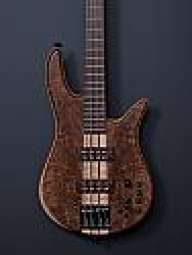
I remember Joey had this bass out of the gig bag and just had to ask what it was. We were hoping Matt would play it that night but he didn't.

What an amazing bass. The picture does not even come close to just how stunning this instrument is.

Let's hope these patents open up the avenue for Matt to play this one live.

I have not seen any Youtube clips of this bass so it's just an assumption that it has seen limited, if any, concert performances.

Betcha it sounds 'KILLER'! Jason? Care to chime in on how it sounds?
 
And anyone who had their hands on the bass could recreate it. With a patent, it's disclosed but protected for the patent term.

Easier to reproduce from a patent file than from a completed instrument, though.

So? Anyone who attempts to use that method of creation (or do substantially the same thing in substantially the same way) would have to pay royalties, or risk being sued for infringement.

But it doesn't work like that- they to have find someone doing the same thing, sue first and prove that the two things are similar enough that the patent covers the other person's work, then if they win they can work out a way to "license" it. The patent doesn't mean that they automatically get anything. And the lawsuits are so incredibly expensive (and with massive court delays due to BS companies like IV clogging the system) that it would be years and tens of thousands of dollars before a case would even start. Given that it's hidden inside the instrument short of doing an imaging study, I was curious what their intention was. Just curious, really.

Patents don't automatically give you any protection whatsoever. They give you an argumentative basis in a court, but there's nothing automatic, quick or definite about it.

It's not a critique of what they did- I just hope that someone didn't give them erroneous or misleading information on how much protection a patent actually gives.

I actually can't find any evidence of a patent approved or filed going back to 1976. Maybe that's a good thing, for their sake!
 
phishaholik said:
http://www.fodera.com/Shop/ProductDetails.aspx?ItemID=409

Just checking out all the new basses for NAMM. I thought Fodera wasn't calling anything out of AJ's specs a presentation anymore.

Beautiful bass!

Michael

it's previously owned, from 2008, so i assume it existed from before the decision to pare down the definition of what a prsentstion is.
 
Easier to reproduce from a patent file than from a completed instrument, though.

But it doesn't work like that- they to have find someone doing the same thing, sue first and prove that the two things are similar enough that the patent covers the other person's work, then if they win they can work out a way to "license" it. The patent doesn't mean that they automatically get anything. And the lawsuits are so incredibly expensive (and with massive court delays due to BS companies like IV clogging the system) that it would be years and tens of thousands of dollars before a case would even start. Given that it's hidden inside the instrument short of doing an imaging study, I was curious what their intention was. Just curious, really.

Patents don't automatically give you any protection whatsoever. They give you an argumentative basis in a court, but there's nothing automatic, quick or definite about it.

It's not a critique of what they did- I just hope that someone didn't give them erroneous or misleading information on how much protection a patent actually gives.

I actually can't find any evidence of a patent approved or filed going back to 1976. Maybe that's a good thing, for their sake!

I imagine Fodera has access to reasonably good IP counsel. They are in New York, after all, and I'd think they're not exactly hurting in the money department (although that's mere speculation on my part; I know much less about Fodera than I do about IP law, and that's not saying much as two semesters barely scratches the surface of anything law-related).

If they think a non-visible design feature is worth protecting, and are willing to spend to protect it, patent is the best way to do it, since trade secret doctrine doesn't protect against independent invention or reverse-engineering.

After all, for most small- to mid-sized luthiers, a legal "cease and desist" letter backed up by an approved patent is sufficient due to the ruinous costs involved in even starting to think about defending such a suit.

(After all, it works for Monster Cable all the time, although I'd assume that Fodera has better business practices than that :))

Larger companies might be tougher to prosecute, but honestly it'd just be easier to look at the Fodera patent and figure out a different way to accomplish whatever is patented.

Remember, in the instrument business, individual patents do not have the same monetary value involved as, say, the genetic test for breast cancer or a certain type of continuous vehicle transmission, so patents in this industry are more of a presumptive bar to infringement than something that gets dragged into court and litigated over a decade.
 
Status
Not open for further replies.

Latest posts