
Enjoy the benefits of a premium membership!
Upgrade Account
-
TalkBass has been independent since 1998. Add your voice.
Create a free account to reply to discussions, view embedded media, and browse with fewer display ads.
Join free Log in
Want zero display ads or expanded classifieds tools? Compare plans.
You are using an out of date browser. It may not display this or other websites correctly.
You should upgrade or use an alternative browser.
You should upgrade or use an alternative browser.
"For all intensive purposes..."
- Thread starter El Güero
- Start date
More options
Who Replied?
Also, healthy vs. healthful.
Foods are (should be) healthful, and people are (should be) healthy.
Not the opposite.
In the UK both are healthy - I've never heard anyone here use healthful. Someone can be full of health, or more likely in rude health, or just healthy and coincidentally rude.
In the UK both are healthy - I've never heard anyone here use healthful. Someone can be full of health, or more likely in rude health, or just healthy and coincidentally rude.
I did not know that. Interesting how it is often a common language that divides us.

But, here's this-
Invalid Link Removed
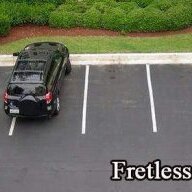
Shelled & Unshelled mean the same thing.
Cleave can mean opposite things.
Then there's flammable, but inflammable means the same and the opposite isn't unflammable.
There are those as well.Then there's flammable, but inflammable means the same and the opposite isn't unflammable.
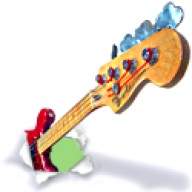
Cleavage can mean opposite things.
Fixed.


Here are a couple more words that somehow morphed into being accepted.
Snuck in place of sneaked
Dreamt in place of dreamed
Snuck in place of sneaked
Dreamt in place of dreamed

Dragged vs. drug
In all main varieties of English, dragged is the standard past tense and past participle of the verbdrag. Drug is a dialectal variant that appears in many areas of the U.S. Though drug is common in these areas and cannot be considered wrong, itmight be seen as out of place in more formal writing, where the traditional dragged is always the safer choice.
(Invalid Link Removed)
In all main varieties of English, dragged is the standard past tense and past participle of the verbdrag. Drug is a dialectal variant that appears in many areas of the U.S. Though drug is common in these areas and cannot be considered wrong, itmight be seen as out of place in more formal writing, where the traditional dragged is always the safer choice.
(Invalid Link Removed)
Here are a couple more words that somehow morphed into being accepted.
Snuck in place of sneaked
Dreamt in place of dreamed
While I slept I dreamed.
Whilst I sleeped I dreamt.
Hmmm

Snuck, at a cursory search, is US dialectal 19th century, arose out of analogy with struck (there might other irregular past forms, of uncontested acceptability, which are unetymological - I'm not an expert), and later spread to more general use.Here are a couple more words that somehow morphed into being accepted.
Snuck in place of sneaked
Dreamt in place of dreamed
Dreamt, on the other hand, first appears in Shakespeare and contemporary sources, and, while now less common even in British English, is not incorrect nor substandard there by any means. However, I've no clue as to its popularity in North America other than it's less common there, so you may be right in describing it as becoming more accepted in recent years - I just don't know.
Last edited:

My dad used a strange word at times. "Holpen". It is an archaic form for the past tense of "help". As in, "He holpen me finish the job." I don't recall ever hearing anyone else use that word.
That one is in the King James Version, continuously attested since Old English times, has other Germanic cognates, and is super-cool!My dad used a strange word at times. "Holpen". It is an archaic form for the past tense of "help". As in, "He holpen me finish the job." I don't recall ever hearing anyone else use that word.
holpen - Wiktionary
There is an old time saying around here that I don't know where it came from other than people said it was Pennsylvania Dutch. I am not sure.
I am going to "red" the table as in clear the dishes from the table or I am going to "red" up the room or "red" up a mess; meaning to clean up.
I am going to "red" the table as in clear the dishes from the table or I am going to "red" up the room or "red" up a mess; meaning to clean up.
There is an old time saying around here that I don't know where it came from other than people said it was Pennsylvania Dutch. I am not sure.
I am going to "red" the table as in clear the dishes from the table or I am going to "red" up the room or "red" up a mess; meaning to clean up.
In the examples you gave, is red a deliberate (or regional) mispronunciation of the word rid?
In the examples you gave, is red a deliberate (or regional) mispronunciation of the word rid?
I don't know. My grandmothers, mother, and other relatives, as well as other people who live here, have said that since I was a little kid.
Another one is "jagger bushes" instead of "thorn bushes".

I have used this saying myself numerous times but it really makes no sense....going to shake us off like fleas.
If fleas were so easy to shake off, why do we have to treat our pets for them?
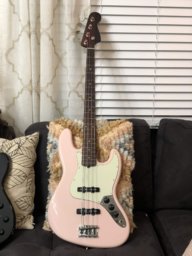
I have used this saying myself numerous times but it really makes no sense.
If fleas were so easy to shake off, why do we have to treat our pets for them?
My day is over! I can't go on after this. Too profound. What now?
Haha. Now that is funny. You're welcome, glad I could help.My day is over! I can't go on after this. Too profound. What now?


