Ric5
Inactive
- Jan 29, 2008
- 29,772
- 30,452
- Disclosures
- I like 5, 8, 10, and 12 string basses
I really enjoyed the video of Rush's last tour and Geddy playing lots of basses. I wish he had brought along the Wal and played that one.

TalkBass has been independent since 1998. Add your voice.
Create a free account to reply to discussions, view embedded media, and browse with fewer display ads.
Join free Log in
Want zero display ads or expanded classifieds tools? Compare plans.

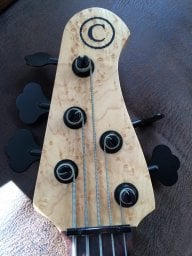



Thank God for Hipshot! I've got Xtenders on all my P/PJ's...love 'em!Back in the day when I played covers I would have a bass in drop D for songs that needed that and one in standard tuning. I would organize the setlist to have all the drop Ds in a set together so it usually was one switch per set max. The drummer would have standard audience talking points during the swap that would keep attention away from the switch.
Hey man, I paid good money for my basses...SOMEONE should look at them! Also, it's not like nobody in the audience knows anything about guitars and basses.Only on a bass forum would anyone ever admit to swapping basses on stage just to "show off."
Show off for who? Mom?

I'm having trouble with this "slow down the show" idea.
I can switch basses in ten seconds, fifteen if I'm really fumbling for the side jack.
That's always been less time than the rest of the band takes to launch the next song.
What am I missing?

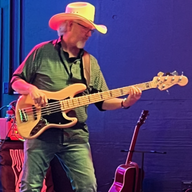


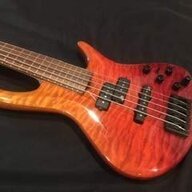
I'd still caution that every second of dead air onstage feels like 10 seconds to a crowd that wants to dance.Not a lot, IMHO. Swapping to and from the stand is somethng that can be practiced and perfected, much like an F1 pit stop. Depending on the type of stand and strap attachment it can be done in under 10s, which is about the time it takes for the last crash to stop ringing, the audience to abate and the lights to go up on the next number, IMHO.
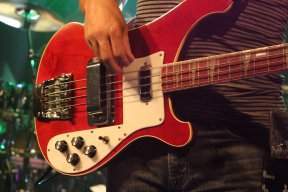
Well that's one way to handle it...write the set list yourselfFirst off, JimmyM, take care of yourself.
I'm on the ground level for set lists so I will write them to suit the Rick then the rest of the night is likely a 5er.

I don't know...I think most people can tell if you go from a Geddy Lee sound to a James Jamerson sound
Sadly this is the truth, to some extent even when recording. Especially in a dense mix.
When a bass sounds poor in a live situation it's very often down to the engineer, a poor sounding room or amp/eq settings on stage rather than the bass itself. Even very different sounding basses like a T-bird and a Danelectro can sound surprisingly similar in the mix when the bass has been eq'ed/compressed to sit "right" in the mix. Definitely not something 99% of the audience will notice. But if you turn up for a gig with a very unusual type of bass the engineer may need a little more time to get there or maybe not get there at all. Of course you may not even want the engineer to get "there" because you WANT your bass to sound different to a P/J or whatever but that's not something you can always expect to get right unless you bring your own engineer who knows your band and your tone.
If the bass is given more room in the mix it's a different matter of course but I very often find that different basses end up sounding surprisingly similar in the context of a mix even when they sound completely different soloed. Most of the time bass is about providing a solid fundament, rather than sounding great alone. So the engineer ends up shaping different basses into a kinda similar "safe" tone. We may not like it but it's the truth.
I've given up fighting engineers (never a good idea!) so I just play it safe and bring P-basses for gigs. No surprises, everything runs smoothly and the audience is happy. It doesn't have to be a FENDER P-bass though.
I would argue the average audience member can’t tell the difference between guitars also.