
If your only chance to work it out is at gigs, looks like there are enough strikes against you continuing on with these guys to justify you moving on.
My band practices once a week, but we're all retired and have the time. I like to say that some guys have poker night, while we have practice nights. But the thing is that even though we are all experienced, like a basketball team we need to learn each other's moves. And that means we need rehearsal. And it's paying off.
A big problem we had and I think a lot of bands with experienced members may have is that guys have been playing a song "wrong" for so long, it's hard to unlearn what you are used to. This is especially bad with our other lead singer who plays rhythm guitar. For all intents and purposes his background is in solo work. Kinda like a busker, but on stage. He completely stylized vocals both in "rhythm" and notes. i.e. he would sometimes drop or climb into what would be the harmony vocal parts. So when I try to sing harmony with him, the timing of his notes is way off and often he leaves the melody to join me on harmony.
It's taken a long time but most of it is fixed, though there are some parts where I've just given up and I go into the melody for a couple of notes.
He also has no "harmony sensibility" but that is changing too. Because I played 3rd trombone and bass trombone in high school and college stage bands, I just naturally "hear" the harmony, even to songs I've never heard before. I assumed everybody did that but nope. I came across it several years ago in my "amish family" band, where it took months before the teenage kids in the band could sing decent harmonies, but they really nailed it. We did a lot of Doo-wap very well. But I'm having the same challenge with this guy. Again, as we rehearse, it gets noticeably better.
If you've had the stamina to read to this point, let me summarize: If you guys are having these problems, you may not need to rehearse to learn the songs, but rather, like a basketball practice, you need to rehearse to learn to play like a team.
And at the end of the day, that is what a band is. It is a team”Harmony sensitivity
Wow, you said something that resonates with me, “harmony sensitivity”. We have a girl singer who has difficulty remembering parts and when she does, she pays no attention to blending with others. She just belts it out. Even though she’s been singing professionally for a number of years, she really doesn’t understand blending and tightness in harmonies.If your only chance to work it out is at gigs, looks like there are enough strikes against you continuing on with these guys to justify you moving on.
My band practices once a week, but we're all retired and have the time. I like to say that some guys have poker night, while we have practice nights. But the thing is that even though we are all experienced, like a basketball team we need to learn each other's moves. And that means we need rehearsal. And it's paying off.
A big problem we had and I think a lot of bands with experienced members may have is that guys have been playing a song "wrong" for so long, it's hard to unlearn what you are used to. This is especially bad with our other lead singer who plays rhythm guitar. For all intents and purposes his background is in solo work. Kinda like a busker, but on stage. He completely stylized vocals both in "rhythm" and notes. i.e. he would sometimes drop or climb into what would be the harmony vocal parts. So when I try to sing harmony with him, the timing of his notes is way off and often he leaves the melody to join me on harmony.
It's taken a long time but most of it is fixed, though there are some parts where I've just given up and I go into the melody for a couple of notes.
He also has no "harmony sensibility" but that is changing too. Because I played 3rd trombone and bass trombone in high school and college stage bands, I just naturally "hear" the harmony, even to songs I've never heard before. I assumed everybody did that but nope. I came across it several years ago in my "amish family" band, where it took months before the teenage kids in the band could sing decent harmonies, but they really nailed it. We did a lot of Doo-wap very well. But I'm having the same challenge with this guy. Again, as we rehearse, it gets noticeably better.
If you've had the stamina to read to this point, let me summarize: If you guys are having these problems, you may not need to rehearse to learn the songs, but rather, like a basketball practice, you need to rehearse to learn to play like a team.
And at the end of the day, that is what a band is. It is a team.


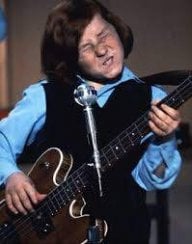
 . They whip up these super busy arrangements with lots of left hand movement by themselves for playing solo, then hire a full band and of course you start getting all the expected train wrecks (not just with the bass, guitar too very often). Some are open to editing their parts to rearrange things for a full band, while some just want to stick with what they know--either way a bassist can make it work, but you gotta learn exactly what they're doing--you can't just wing it.