hopefully this doesn't get to long...
so i learned to play by ear (the six months of guitar lessons i took at 12 years old were boring even though the instructor tried to do his best to keep me engaged by teaching me how to read tabs and tabbing out some of the songs of the time, so i didn't practice) mainly to play in punk bands in high school. i listened to a LOT of music up until my 30s (listen to almost none now) which i think plays a part in infusing "the language" (same thing as if you want to be a writer, read a lot)
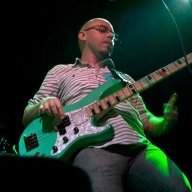
i never actually improved until the past few years when i began playing (and practicing!) regularly for church. a lot of times i'm picking up the bass (more often guitar now, which frankly isn't nearly as fun but the new church came with a 17 year old bassist and it's not my place to discourage another player. instead i'm getting out of my comfort zone and playing lead guitar) to learn new songs, but sometimes it's just to mess around (beyond the scope of this thread, but that's mainly how i write songs: just dinking around with a bass or guitar)
so to your question: my mind is in different places learning songs, at rehearsal, and performing
learning songs i listen to the version we're playing with the chord chart in front of me. i listen for the "signature parts" and make sure to learn those but also "listen" to parts that my head feels are 'missing' (while there are exceptions a lot of the bass parts are simple low notes, easy point of entry stuff for beginners). so practicing is a lot of learning the different sections of the songs and then coming up with some of my own ideas (the biggest emphasis is learning the song structure)
for rehearsal i'm listening to the rest of the band, especially the drummer, and seeing if any of my ideas fit. sometimes a lot gets scrapped, a lot of time i'm hearing the drums and trying to put notes to the fills. REALLY fun locking in rhythmically with the drum fills while giving them a voice. rehearsals are where i figure out where to step up or step back depending on what the arrangement needs. thankfully i'm generally given the leeway to know when i can let 'er rip and when i should pound whole notes
for performance, i basically have nothing going through my mind. i trust my preparation and lose myself in the music. that's where good preparation comes in. moment before i step on stage my mind goes blank, half the time i forget what we're about to play. and that's the beauty of it. i get a whole 20 or 30 minutes or more where i'm not worrying about how we're going to make rent next month or the house that's falling apart around us or way bigger problems going on. i get absolute freedom
so yeah, not sure if that really answers your question but thank you for coming to my TED talk