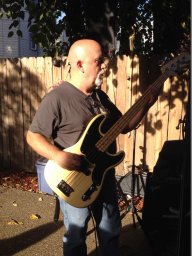
I get it, you don't think you know enough to have a feel for things.
There are several big "camps" among bassists and usually people will offer their personal opinions and preferences over considering someone else's situation.
Notice that you received a couple of responses to get something decent used that "feels" good when you play it. When you are starting out on a limited budget that is the best advice you are going to get. Even though you don't think you know enough... it isn't a matter of knowing it is a matter of feeling. Your hands are going to be the ones spending hours on it getting to learn the instrument so it has to feel good in YOUR hands.
For example, I like low action. I have a long time friend who is a mind-blowing drummer (who can also play just about every other instrument, compose, has an in-home studio etc. etc.). He sets up his basses with very high action and plays them amazingly - because that is what feels right in HIS hands. I can hardly play them and I'm sure mine would feel alien in his hands.
For versatility, a P-J setup is great for starters. Gives you some flexibility. It is not going to sound just like a Fender Precision Bass or Jazz Bass - nothing but an actual one really does.
If you want a little direction in the used market you cannot beat an old Peavey bass. They are very playable and good quality and are generally a good value. You should be able to find one for under $200 in good condition. The older import ones are pretty decent as well (the older USA ones seemed to have jumped in price lately, harder to find a good one for cheap than it used to be).
Example:
http://www.ebay.com/itm/Peavey-Zodi...g-/171084595332?pt=Guitar&hash=item27d56fc084
Also, it is hard to beat an old Ibanez SR400 or SR800 made in Japan or Korea (Japan is better by most accounts but I have an old Korean fretless that is quite perfect if you ask me). You get a precision style pickup and a jazz style pickup, one of the most playable necks in the industry (unless you like a larger chunky neck), they are light and balanced and generally have decent tone. AND if you decide to stick with bass and get a better one down the road they make great "beater" basses as well as are easy to sell for nearly what you paid for one. Again, should be able to find one in great shape for under $200.
Example:
http://www.ebay.com/itm/Ibanez-Soun...K-/111111830988?pt=Guitar&hash=item19dec7fdcc
When buying a used bass, the most important thing to check is the neck. Look for hairline cracks on the headstock that are near the tuners (usually starts on the screw for the E-string tuner). Check the neck pocket where the neck meets the body - should not be cracks on the sides of the pockets although sometimes there are finish cracks but could still be a warning sign. Hold the bass up to your eye and look down from the bridge to the nut (like sighting down a shotgun barrel). The neck should not be wavy or resemble a skateboard ramp. Finally, even though you say you can't play at all, play every fret on every string starting on the open string and play all the way up the neck. The note/pitch should change as your change frets and there should be no buzzing. The neck is the most expensive thing for a luthier to fix if it is bad and sometimes is beyond reasonable repair (everything can be fixed for a price). These are things you can check even if they don't have an amp for you to plug in (sometimes pawn shops etc. don't always have a bass amp... or a cable!

For a bass amp, get a used 15" combo that you can afford. At that price point I recommend the 15" over the 8", 10" or 12" because a cheap 15" driver will in general sound better than a cheap smaller driver and the amp sections are usually a bit better in the cheap 15" combos than in the smaller one. An old Peavey 15" combo is a classic starter amp for bassists. Once you get into higher quality cabs/combos it becomes less relevant whether the drivers are 15" 12" or 10" but then there is a whole world of other things to start considering.
Whatever you get for a bass, definitely take it to a local luthier (reputable, get recommendations - there are some real hacks out there). You will spend between $60-$100 for a professional setup but then you know that the bass will be correct and the rest will be up to you an your time spent developing your skill and knowledge.
Also, get a decent, wide strap that is fully adjustable so you can get your bass in the most comfortable position. I'm sure you know that there are tons of lesson sites/youtube vids to get you started but this guy has a lot of good stuff and gives good advice, could save you some time researching at first.
Invalid Link Removed
Good luck!