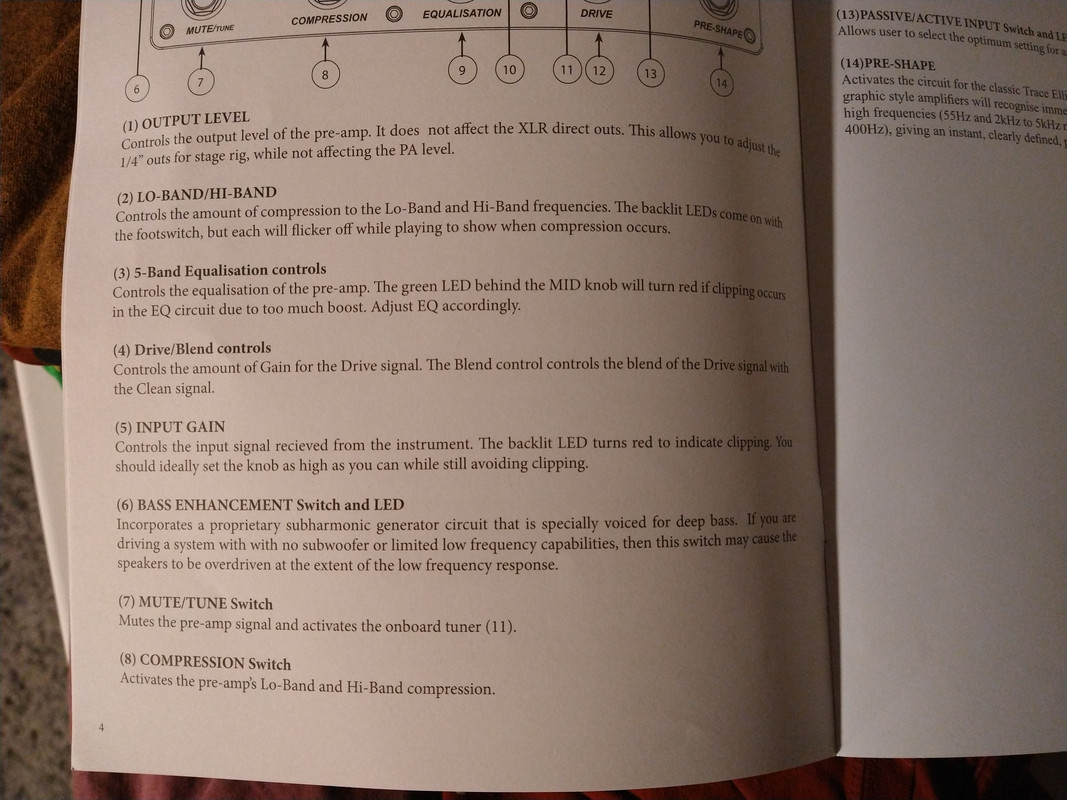
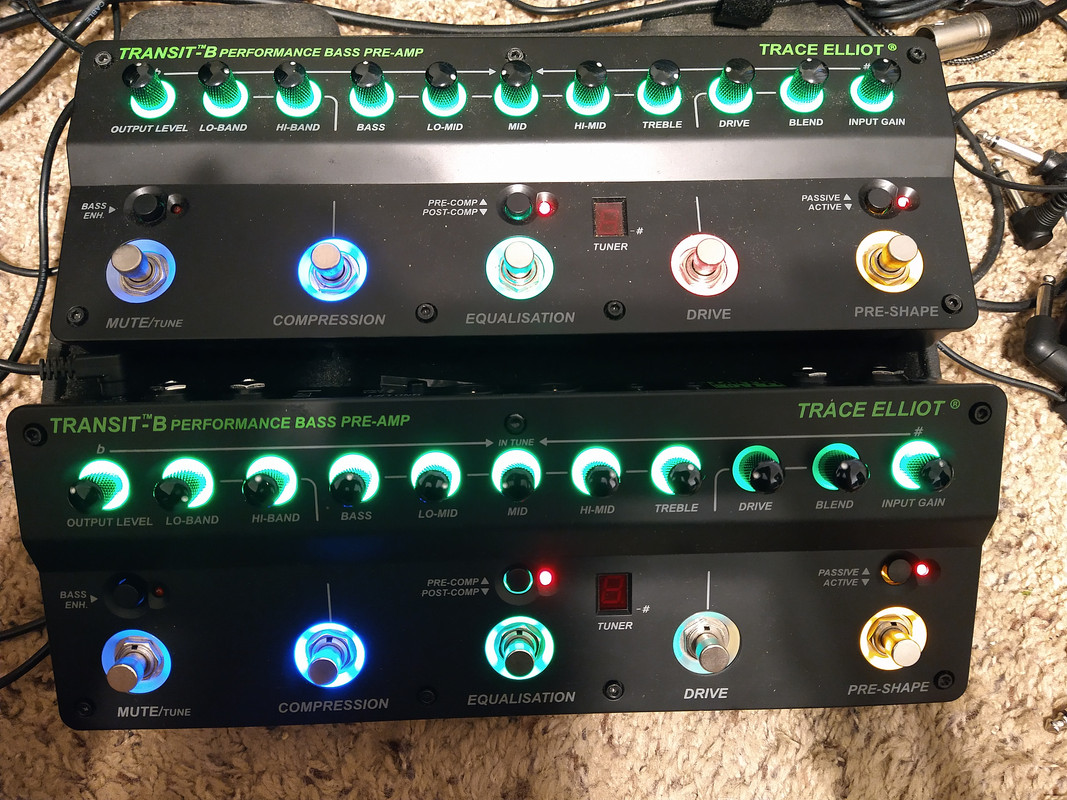
Your post got me wondering so I tried this A/B test with my Zoom B4 & the Transit B. Hard to do an apples-to-apples comparison with the way the amp sim is laid out in the Zoom, so I just set everything completely flat on the Zoom amp sim and focused on the Mid knob. Full scoop on the Mid knob took away boat loads of low mids too in the process. Honestly, it sounded nothing like the Transit B. So I went the other way - tried a full boost of the Mids on the Zoom patch and that wasn't great either. It had a lack of natural tone that the Transit B had when doing the same tests - it boosted the mids, but it sounded very boxy/nasally sounding if that makes sense. At less drastic EQ settings, I could get some similar tones from the Zoom though. But the entire time I was A/B'ing, the Zoom still had a fair amount of digital noise that I don't care for.
Not trying to disparage the Zoom gear (I currently own the last 3 gens), but clearly the 3 band EQ on the Zoom patch can only do so much as compared to the 5-band on the Transit B. It's also hard to get digital patches to match the fullness & tone clarity of a quality analog circuit. Plus, I have no idea if the Zoom patch directly copied the EQ center frequencies Trace Elliot used. On the other hand, Peavey really did their homework to nail the classic Trace Elliot sound. They matched existing, classic Trace Elliot EQ points when they took over production - they kinda
HAD to nail the Trace Elliot tone or people would definitely notice. They even implemented the gyrator-type EQ that TE used in their bass heads (at least in the ELF bass head and I'm assuming in the Transit B too). Here is a really good in-depth
article that talks about the Trace Elliot gear and is written from the point of view of someone very familiar with the classic TE gear.