
Roasting wood for stability purposes has been done for over 1400 years. That's a heck of a long fad.IMHO, Roasted maple is the fad de jure.

Enjoy the benefits of a premium membership!
Upgrade Account
-
TalkBass has been independent since 1998. Add your voice.
Create a free account to reply to discussions, view embedded media, and browse with fewer display ads.
Join free Log in
Want zero display ads or expanded classifieds tools? Compare plans.
You are using an out of date browser. It may not display this or other websites correctly.
You should upgrade or use an alternative browser.
You should upgrade or use an alternative browser.
Only roasted maple in the future?
- Thread starter darwin-bass
- Start date
More options
Who Replied?

Norsemen is another oneThis is factually correct ^
There were many people groups, but I guess Scandinavian would be the proper term? Scythian maybe if we're going back to days of the Roman empire. Or just calling everything "Gaul" or "Celt" that is west of Greece? lol



I'm going to call bunk on the enthusiastic claims of stability that seem to suggest they don't move enough to need regular adjustment.
My Sadowsky Metro Express took a LOT of cranking and excessive time period for it to finally yield into proper relief.
Then the seasons changed.
I've finally acclimated myself to the wrench-bending process of adjusting that excessively stiff neck, and decided the truss rod does work, only because I need to crank on it every bit as frequently as any other instrument I own. And wait a few days for it to settle into proper relief.
It moves.
Just slower, with much more resistance.
My experience simply indicates it's different, not necessarily better or worse, other than the ongoing concern of how long that truss rod will last before stripping out against the excessive force needed to adjust that neck seasonally. I'll be avoiding roasted necks going forward.
There are pluses and minus's to an unnaturally stiff neck.
Maybe I got a lemon.
YMMV
My Sadowsky Metro Express took a LOT of cranking and excessive time period for it to finally yield into proper relief.
Then the seasons changed.
I've finally acclimated myself to the wrench-bending process of adjusting that excessively stiff neck, and decided the truss rod does work, only because I need to crank on it every bit as frequently as any other instrument I own. And wait a few days for it to settle into proper relief.
It moves.
Just slower, with much more resistance.
My experience simply indicates it's different, not necessarily better or worse, other than the ongoing concern of how long that truss rod will last before stripping out against the excessive force needed to adjust that neck seasonally. I'll be avoiding roasted necks going forward.
There are pluses and minus's to an unnaturally stiff neck.
Maybe I got a lemon.
YMMV

I dislike roasted maple simply due to the look. I like maple to be light tan, you know, like maple.
Since roasting removes the need for a finish it would seem roasted necks would be a cost saving change. If it is cheaper, then it will eventually be everywhere as manufacturers continue to find ways to cut costs.
Since roasting removes the need for a finish it would seem roasted necks would be a cost saving change. If it is cheaper, then it will eventually be everywhere as manufacturers continue to find ways to cut costs.

I hope not. Roasted Maple doesn't sound good to me at all. It's like they cooked the backbone right out of the tone.I notice an increase in the use of roasted maple for necks on production basses. Even low cost production basses. Do you think all maple necks will eventually be roasted?

I agree, but you miss my point.Roasting wood for stability purposes has been done for over 1400 years. That's a heck of a long fad.
Everywhere you look, manufacturers, big and small are touting... "Now with roasted necks!". I believe it will always be viable, but at some point, some other wood/feature will become te next big thing.
I understand the point you are making, but a more stable neck (we have ample proof that torrefaction does that) is not going to be a fad. it's something that adds real value that matters to people, and although not every bass will have a roasted neck, there will be roasted necks on basses for many years to come. Not a fad.I agree, but you miss my point.
Everywhere you look, manufacturers, big and small are touting... "Now with roasted necks!". I believe it will always be viable, but at some point, some other wood/feature will become te next big thing.
Again, yes. But, no. Get back with me in ten years. YMMV.I understand the point you are making, but a more stable neck (we have ample proof that torrefaction does that) is not going to be a fad. it's something that adds real value that matters to people, and although not every bass will have a roasted neck, there will be roasted necks on basses for many years to come. Not a fad.
I've been building with roasted necks for 10 years. Once I converted, I'm there, not a fad.Again, yes. But, no. Get back with me in ten years. YMMV.
I notice an increase in the use of roasted maple for necks on production basses. Even low cost production basses. Do you think all maple necks will eventually be roasted?
IMHO, Roasted maple is the fad de jure. That may sound harsh, I do like it, but I like a lot of alternatives as well. It's kind of like swamp ash, in the beginning it was kind of a special thing. A few years down the road, everywhere you look... Swamp ash bodies. Roasted woods seem to be following the same path.
I vote carrots.
YMMV.
Look at it this way :
The longer it's popular, the longer stocks of properly seasoned maple blanks have to recover.
In the meantime, I'd expect roasting to become the norm, if just to help keep instrument costs down - and for instruments using seasoned, figured maple to be at a premium.


My last custom had a roasted maple neck. As a result of how much I love it, my next 2 will too.
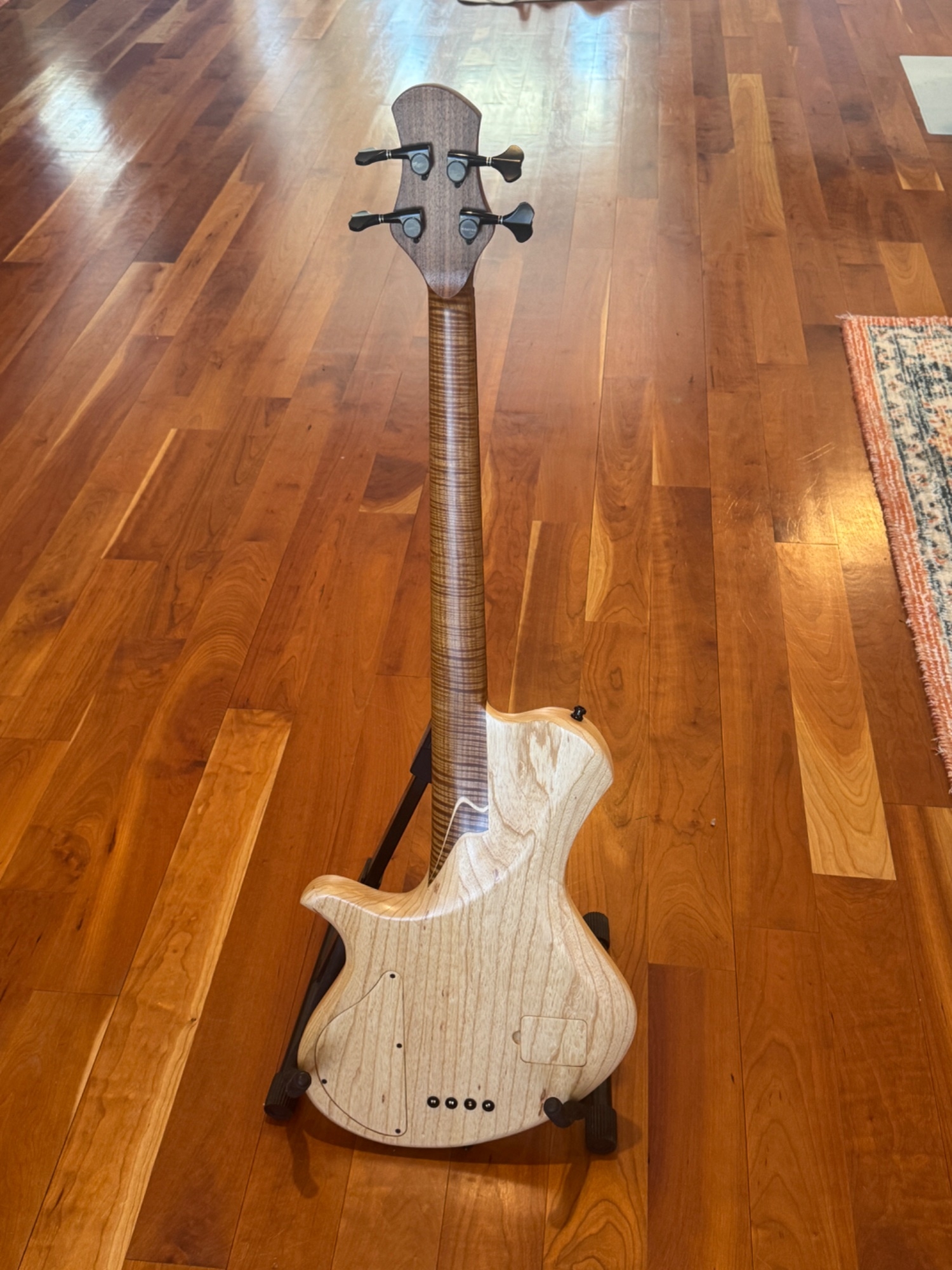
Zoom in on that neck and tell me it’s ugly.
Zoom in on that neck and tell me it’s ugly.

As I've said, get back with me in ten years. You seem to have a problem with that.I've been building with roasted necks for 10 years. Once I converted, I'm there, not a fad.
As I also said, YMMV.

I've always preferred the look of mahogany or rosewood over maple and same goes with roasted maple. It's nice having a solid one piece neck, roasted maple just doesn't look right to me.
I ended up getting a solid rosewood neck from warmoth for my strat. Looks and feels great.
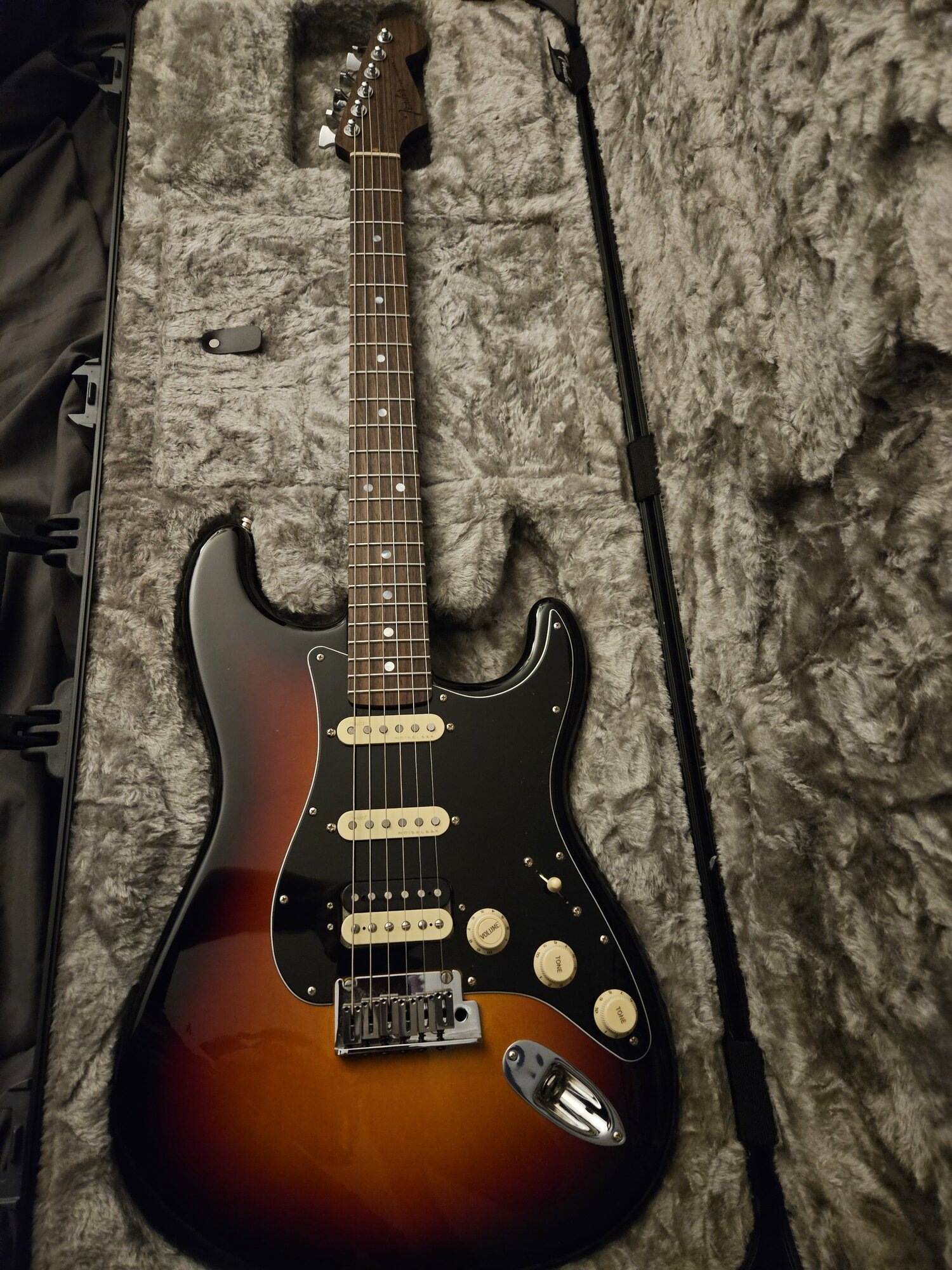
I ended up getting a solid rosewood neck from warmoth for my strat. Looks and feels great.
That looks nice but it's also a custom piece with select wood. You can't compare that to the average mass produced instruments with roasted maple.My last custom had a roasted maple neck. As a result of how much I love it, my next 2 will too.
View attachment 7226943
Zoom in on that neck and tell me it’s ugly.
I have noticed the same thing on frets. “Now with stainless steel frets!”I agree, but you miss my point.
Everywhere you look, manufacturers, big and small are touting... "Now with roasted necks!". I believe it will always be viable, but at some point, some other wood/feature will become te next big thing.
In fact the roasted maple neck bass I got also has stainless steel frets. A first for both, for me.
So I have to ask, given your expertise, is my instrument with an excessively stiff roasted neck that's hard to adjust and literally bending the truss rod adjustment tool to do so considered normal, or an anomaly?I've been building with roasted necks for 10 years. Once I converted, I'm there, not a fad.

All I have to say is, I am glad mine had the right relief out of the box, so far.So I have to ask, given your expertise, is my instrument with an excessively stiff roasted neck that's hard to adjust and literally bending the truss rod adjustment tool to do so considered normal, or an anomaly?
Roasted necks are somewhat stiffer, but not drastically so - maybe 10%. The big advantage of a roasted neck is that the stresses have been "annealed" out of it, so it's stable. There are non roasted woods (Wenge, for example) that are stiffer that roasted maple (but nowhere near as light). So........ If you truss rod tool is bending, it's not the fault of the wood. All my basses are 5's at this point (with nice wide and thick necks made out of roasted maple), and they adjust just fine.So I have to ask, given your expertise, is my instrument with an excessively stiff roasted neck that's hard to adjust and literally bending the truss rod adjustment tool to do so considered normal, or an anomaly?
Last edited:

Need Carrots choice for poll.I notice an increase in the use of roasted maple for necks on production basses. Even low cost production basses. Do you think all maple necks will eventually be roasted?
It’s a fad. And looking at Sweet Water, Zzzounds, Musicians Friend I don’t see any where what you claim to see as far as roasty toasty is concerned.
It’s just an option like a string through bridge or string through body or bone nut or brass nut or rounded fretboard edges, etc. it isn’t the end all be all.
Latest posts
-

-

-
 Would you play gigs with a band that doesn't have a great PA?
- Latest: Thunderthumbs73
-

