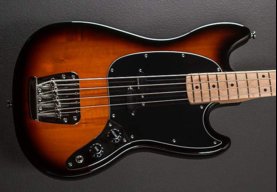
I've spent some time as an amateur learning and practicing studio production, and what I've found is that bass tends to take the most work to sit in a mix. It's because the instrument spans so much range between its fundamental and highest overtones, and these overtones tend to clash with other instruments and end up sounding muddy.
First of all, this is long, but this forum thread is amazing for conceptualizing and understanding home recording:
https://forum.cockos.com/showthread.php?t=29283
Also, this book was excellent:
https://www.amazon.com/Recording-Secrets-Small-Studio-Presents-ebook/dp/B00MX0EC8G
Here are some tips that I keep in mind when writing, arranging, recording, and mixing bass:
1) Performance is extremely important. Rehearse it, play it well, make sure your levels are consistent throughout the track, and get the best possible tone when you're tracking. The more you get done at this stage, the less you'll have to do later. If you punch in a lot, adjust your clip gain for each individual recorded piece before mixing the track as a whole.
2) Arrangement is important. Make sure the song is dynamic. All instruments playing loudly all the time will probably sound bad.
3) None of your instruments, including bass, should be mixed in isolation. Bass that sounds amazing in a mix might sound like trash when solo'd. And that's OK! In other words, don't EQ an instrument solo'd when you're trying to make it fit in a mix; rather, mix it against the whole song. (EQing in solo is good for sound design, but that's not really what you're asking about.)
4) Bass is felt, not heard. When you hear bass you like in a song that's mixed well, you're really hearing the mids/low mids. Keep this in mind when EQing.
5) Bass frequencies trigger compressors earlier than higher frequencies. So when you're compressing bass, your HPF is your friend. Otherwise you might lose your low end. Parallel compression can address this too.
6) Sidechaining your kick drum to your bass track with a compressor with a carefully adjusted attack can be a great tool to make these two competing frequency hogs sound tight. You don't have to go all Daft Punk here....a little goes a long way. (I've also found Trackspacer to be a great tool for making your kick drum and bass work together, if you're looking to spend money on plugins - this is more like a sidechain EQ but it's pretty great).
7) Listen to the transient. Make your transient sound good.
8) Parallel saturation is a neat trick that will give you some nice warmth while not killing your low end with higher order harmonics.
9) Monitoring. This should really be #1. If you can't hear what you're mixing, you can't mix accurately. If you're mixing on headphones or computer speakers, and you're looking for something to spend money on, spend it on monitors. I use a pair of Kali LP-6 monitors and they sound excellent. I think a pair goes for around $400. You want speakers that are flat and clinical, not hifi speakers that flatter any frequencies in particular.
10) Use reference tracks. You like McCartney's Rick on "Come Together"? Listen to it closely - can you try to match the round, sort of open bottom end? Can you get something similar to that chunky picked transient? Can you get it to sit in your mix like Geoff Emerick did on his?
11) Listen to your final mix on as many speakers as possible. poopy car speakers, hifi stereo systems, ear buds.
12) Listen to your mix in mono and stereo. Most people listen to music in environments where the stereo spread is less than ideal - if it sounds good in stereo but bad in mono then your mix is not done.
13) Subscribe to Tape Op. If you're in the US, it's free!
I'm still learning this stuff too, so if I'm wrong about any of this, I hope someone more experienced out there can correct me. Anyway good luck, it's a lot of fun, and incredibly satisfying when you create a final mix you can be proud of.









 . Which is to say that there are more/other important, and perhaps intangible, aspects to getting a good professional sounding track, IMO and IME, regardless of what equipment you’re using. I’ve recorded songs in big professional studios that never saw the light of day, and I’ve recorded stuff from my basement office that’s been played on the radio.
 ) through the song from start to finish, and then "comp" them, or selecting the best individual parts of each take, for the final track. After you've got your comp track, then you can focus on any last little punch-ins that need fixing.