Hello all, if anyone looks at this thread any longer. I started DES Mastering in 1991. Even though the official website still says 3000, I've now mastered well over 3500 albums in the ensuing years. I spent 17 years prior to that working as a free-lance recording and mixing engineer, starting in 1974, as well as being a gigging and session bass player.
Of course being a real mastering room, my system is analog-based. Real mastering is rarely done in the digital domain, and even then is most often done with hardware pieces, not plug-ins.
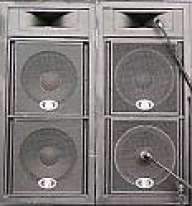
My main system is based around a custom-built Crookwood mastering console. For monitoring I use Lipinski L-707 reference monitors powered by a Bryston 4B power amp with dual Velodyne DD-12 subwoofers, and Grado RS-1 headphones with a Grado HA-1 headphone amp. My main analog mastering gear consists of the Legendary Audio Masterpiece, which is a Rupert Neve designed mastering EQ and compression system with all manner of extra goodies that the mastering engineer would find use for, the Manley Massive Passive tube eq, Manley Mastering SLAM! combo electro-optical/FET limiter, Thermionic Culture Phoenix Master Compressor, TubeTech SMC-2B 3-band tube compressor, Thermionic Culture Mastering Culture Vulture tube distortion preamp, and my baby - a 1978 vintage Ampex ATR-102 1/2" 2-track. On the digital side I have the beautiful TC Electronic System 6000 mkII with the Icon mkII remote and all the mastering software including the George Massenburg digital eq, and I also have a hardware Waves L2 digital limiter. Converters for the analog loop by Metric Halo and United Audio, monitoring d-to-a converter is the Mytek Stereo-192 DSD.
The main mastering room has the SonicStudio (that's Sonic Solutions for you guys who've been around) SSHD high-density mastering workstation, in the production room is the SonicStudio soundBlade V2 high-density mastering workstation with iZotope Ozone 5 Advanced mastering plug-in suite and RX-2 Advanced restoration software. I use Weiss Saracon for sample rate conversion and bit reduction/dithering.
I have a blog that is full of all kinds of tips and tricks and info based on my decades of experience in audio production, and it's there for free for anyone to reference. There's also some great info on how to transform your computer into a true audiophile-quality music player using simple iTunes.
www.desmastering.blogspot.com.
When I started DES I put my basses down out of respect for my ears, and that wasn't easy to do having started playing in 1965. Now that I see retirement coming up in a few years, I've started playing again. Regardless, I've made my living in music all of these years and Im blessed for that.
I'm always glad to answer questions regarding recording, mixing or mastering if you'll just message me. I'll also gladly give a special discount to any of my bass playing brethren if you decide to use me for mastering. The website is
www.desmastering.com, which hasn't been updated in months now, but it's got years worth of album credits if you care to dig through that.
Please pardon the shoddy photography. I'm losing my vision so I can't really tell what's in focus. But it should give you an idea.
Here's my main room, which was designed by English studio builder Bob Suffolk.
Legendary Audio Masterpiece, Thermionic Culture Mastering Culture Vulture and TC Electronic Icon MkII remote for the System 6000 mkII.
Dorroughs Loudness Meters, Manley Massive Passive and Crookwood mastering console.
TubeTech SMC-2B, TT patch bay and Thermionic Culture Phoenix Master Compressor.
Manley Mastering SLAM!, Mytek Stereo-192 DSD d/a converter and DD-12 digital meters, hardware Waves L2 digital limiter, United Audio 2192 d-a/a-d converter, TC Electronic System 6000 mkII.
Kinda impossible to get a shot with an iPhone, but this is the production room/machine room with soundBlade running on the iMac, SSHD on the Mac tower, Tascam DA-45HR and JVC DAT machines, Metric Halo 304 convertors for the main mastering room.