
you can never be too roasted

TalkBass has been independent since 1998. Add your voice.
Create a free account to reply to discussions, view embedded media, and browse with fewer display ads.
Join free Log in
Want zero display ads or expanded classifieds tools? Compare plans.

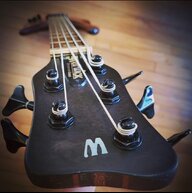



Are you saying it's not rare?I don't know about structural/sound concerns, either, but I'd say that neck was barbecued rather than roasted. Too well done for my taste.

LOL. Maybe you don't consider these to be high end?Roasted necks are a joke anyway. "oh here's some young, ungrown, unstable maple, we'll cook it in hopes that the neck doesn't warp before we ship it!" said all manufacturers selling you roasted necks. Do you see roasted necks on hi-end instruments? Sorry for you, OP but I would have avoid these

I dunno man… there’ve been times many years ago that major party fouls had occurred purely because “somebody” was too roasted… not naming names… and most DEFINITELY wasn’t meeeeee…you can never be too roasted
Hmm yeah sorry man. You have no idea what you’re talking about.Roasted necks are a joke anyway. "oh here's some young, ungrown, unstable maple, we'll cook it in hopes that the neck doesn't warp before we ship it!" said all manufacturers selling you roasted necks. Do you see roasted necks on hi-end instruments? Sorry for you, OP but I would have avoid these

Yeah, I guess if the rep says its okay... But still looks messed up I d send back, unless its great. visually kinda looks Messed up!So my long-awaited D5 finally showed up at Sweetwater. In reviewing the pix (see enclosed) before I finalize the purchase, however, I noticed that there appears to be a huge variation in color--much darker--from the headstock down into the seventh fret. Coloration on the back of the neck looks pretty uniform. My SW rep says he sees this occasionally on roasted necks, that it does not present any structural issues, is within spec and has been cleared by their set-up team. I'm no luthier and I trust their expertise, but it would seem that the neck wasn't uniformly dried, which could affect stability and possibly sound. Structural/sound concerns or just an aesthetic consideration? Appreciate any thoughts. Thanks.
View attachment 4585861 View attachment 4585858
LOL. Maybe you don't consider these to be high end?
[Invalid or Expired Link Removed]
......or EBMM BFR?
I could go on, but suffice to say that there's plenty of high-end builders using torriefied wood in their builds.
Hmm yeah sorry man. You have no idea what you’re talking about.
And the best basses ever made, were made with :
- roasted maple
- standard hard rock, full grown, maple
One answer only!
Ever heard of google? You ought to try it some time.Teach me. Please? Why are the manufacturers roasting necks? Just why. gosh darn it

Nope, that's not a "one answer only" question. Fodera uses maple and white oak for their necks, and I know they've used ash in the past. Michael Tobias often uses ash. Status and Modulus use carbon fiber. Sadowsky and many other top-tier bass builders use torrefied woods along with standard woods.
Ever heard of google? You ought to try it some time.
First link returned for a google search of "torrefied maple"

You were the one who questioned whether anyone has seen high end instruments with roasted necks.And the best basses ever made, were made with :
- roasted maple
- standard hard rock, full grown, maple
One answer only!
Teach me. Please? Why are the manufacturers roasting necks? Just why. gosh darn it