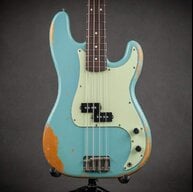
Looks great.Here's what I did::
View attachment 7347259View attachment 7347260
View attachment 7347261
For me, it's the difference between a bass that I don't pick up and one that I do.

TalkBass has been independent since 1998. Add your voice.
Create a free account to reply to discussions, view embedded media, and browse with fewer display ads.
Join free Log in
Want zero display ads or expanded classifieds tools? Compare plans.
Looks great.Here's what I did::
View attachment 7347259View attachment 7347260
View attachment 7347261
For me, it's the difference between a bass that I don't pick up and one that I do.
We're all different. My hands don't sweat much so necks don't feel so sticky, even in the muggiest summer days. I find that knocking down the factory poly on MIMs and Squiers is enough to make them playable even when they regain shininess.I have to scotch-wail on my Precision V every so often 'cause it came from the factory with a dulled neck but it glossed up once I started gigging it.


 micro-surface.com

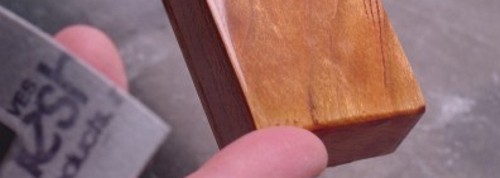
Using ScotchBrite does not alter the finish permanently. The gloss comes back after 10-20 hours of playing.A tangent on sanding your Fender AV II neck.......................once you sand the neck, you will have devaluated your bass. On down the road, if you ever want to sell it, it will be worth less and fewer buyers will be interested because, it was messed with.
I have kicked myself in the "booty" many times for doing mods on basses that seemed like a good idea at the time but later on when I decided to sell, took a lose!
It can be shined back up though. I've done so before selling a neck and the buyer was none the wiser.A tangent on sanding your Fender AV II neck.......................once you sand the neck, you will have devaluated your bass. On down the road, if you ever want to sell it, it will be worth less and fewer buyers will be interested because, it was messed with.
I have kicked myself in the "booty" many times for doing mods on basses that seemed like a good idea at the time but later on when I decided to sell, took a lose!

Considering I've gigged my Precision V and Dimension V hundreds of times since I bought them, I'm not sweating the fact that I might 'lose' money on either for dulling the back of the neck.A tangent on sanding your Fender AV II neck.......................once you sand the neck, you will have devaluated your bass. On down the road, if you ever want to sell it, it will be worth less and fewer buyers will be interested because, it was messed with.
I have kicked myself in the "booty" many times for doing mods on basses that seemed like a good idea at the time but later on when I decided to sell, took a lose!
Try a little bit at first and give the neck a go after a small number of gentle passes. You'll know if it's beneficial for you or not.I'm going to try the Scotch-Brite method first and see if that's enough for me. Thanks guys.