Have a Alumitone "P" and "J" in one of my Jaguar SS's. I really like the tone out of them. Nice and clear with great lows.
Good to hear, thanks for responding.

TalkBass has been independent since 1998. Add your voice.
Create a free account to reply to discussions, view embedded media, and browse with fewer display ads.
Join free Log in
Want zero display ads or expanded classifieds tools? Compare plans.
Have a Alumitone "P" and "J" in one of my Jaguar SS's. I really like the tone out of them. Nice and clear with great lows.

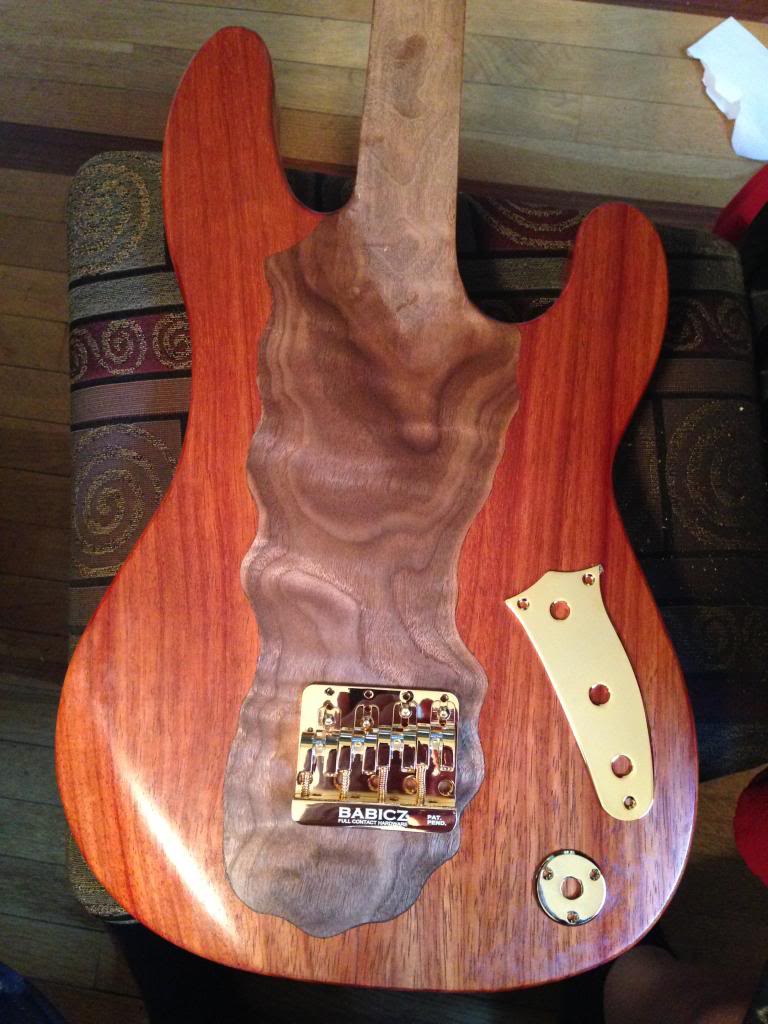
Looking quite nice, better with each coat I would assume.
What do you do between the coats? Steel wool?
I've been told to never use steel wool because the steel will break into tiny particles and oxidize in the finish, effectively ruining it. Just sayin'.
I've been told to never use steel wool because the steel will break into tiny particles and oxidize in the finish, effectively ruining it. Just sayin'.

I've been told to never use steel wool because the steel will break into tiny particles and oxidize in the finish, effectively ruining it. Just sayin'.
I use steel wool on ever oil finish I do, it is no problem getting the wool fibers off with a tack cloth.
True, gut as a rule of thumb,, I try to avoid the use of steel wool in the finishing process, now to de-gloss a neck or finish by all means I will grab some 0000 steel wool in a heart beat.
I use steel wool on oil finishes. But I think the point missing here is to not use it between coats, which can indeed trap tiny fragments. But I'm also in the minority on oil finishes. While they are very easy to apply, they are far less forgiving on the woodworking and final pre-finish wood surface. To my eye, a gorgeous oil finish requires near perfect woodworking. Lacquer is much more forgiving in that it can be built up, sanded between coats and polished.
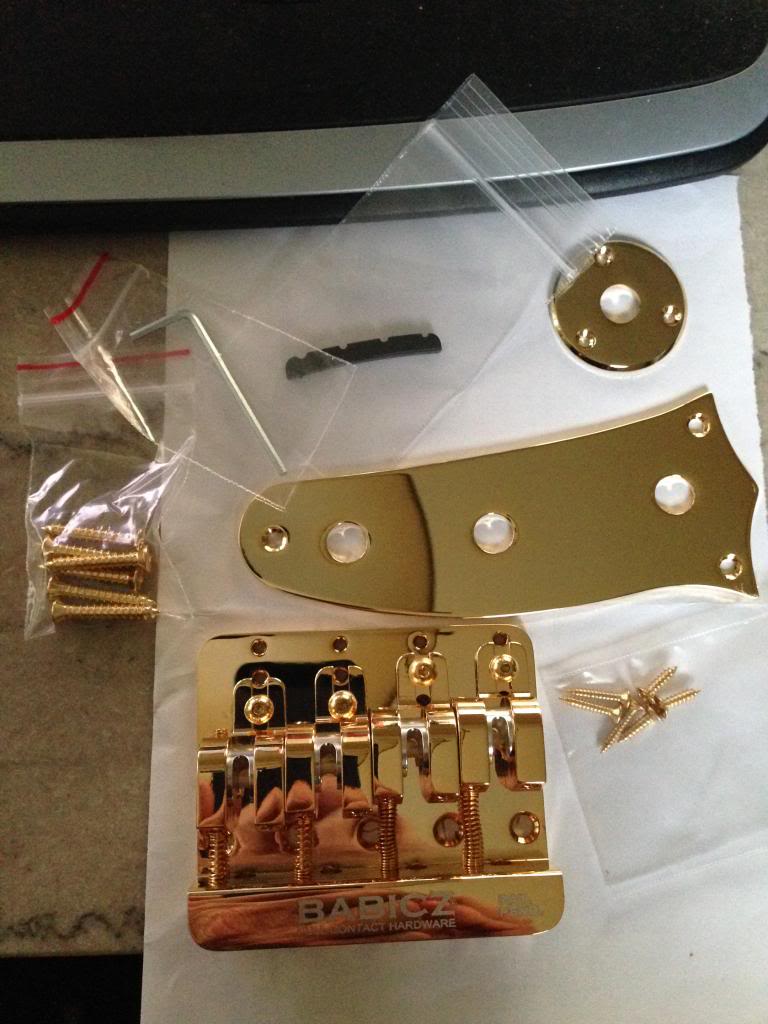
Got some more goodies today, still waiting on more...