• TalkBass has been independent since 1998. Add your voice.
    Create a free account to reply to discussions, view embedded media, and browse with fewer display ads.
    Join freeLog in
    Want zero display ads or expanded classifieds tools? Compare plans.

Split Signal?

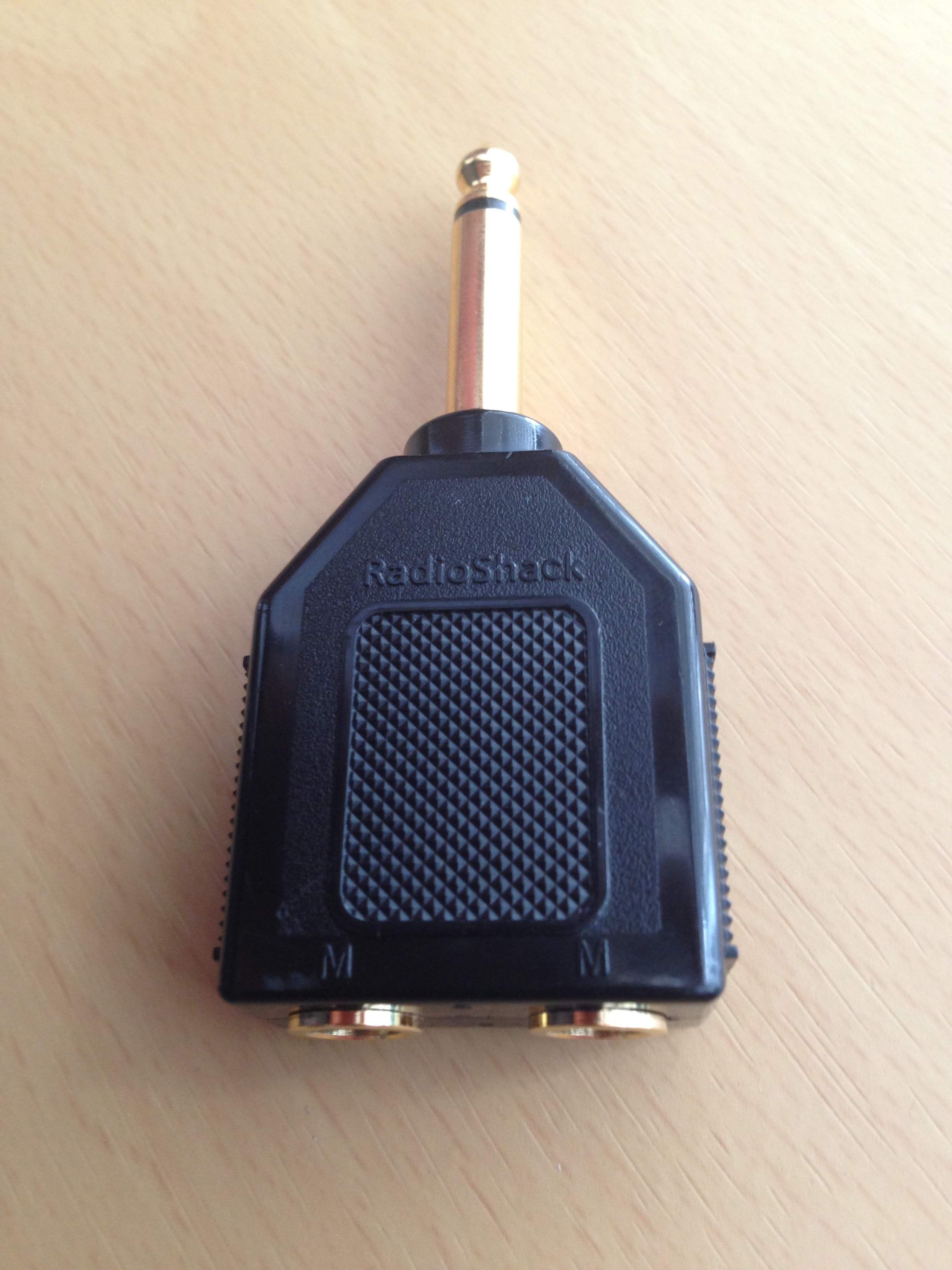
Quick question regarding splitting the signal coming out of a bass. See the enclosed photo, this is a mono TS splitter, 1/4" male input to two 1/4" female outputs.

Is there a loss of voltage/fidelity/signal strength/anything with splitting the output signal from a bass guitar?
IMG_4924.JPG
 
Is there a loss of voltage/fidelity/signal strength/anything with splitting the output signal from a bass guitar?
Definitely! Two things happen. Firstly, you are doubling the capacitance of your cable by having two cables parallel to each other. This is an issue with high impedance passive instruments, because capacitance interacts with the pickups to form a filter that cuts high end. Secondly, by running two amp inputs parallel to each other, the input impedance that loads on the pickups is decreased. If the input impedance is too low, then you start losing high end, in the same manner as switching from 500k pots to 250k pots. If you have a high impedance passive bass, then you can expect a darker, less clear tone, if you try to use a splitter. On the other hand, if you have an active bass, then the buffering will greatly decrease the effects of capacitance, and impedance changes.

In short, if you want to use a splitter, you should either have an active bass, or add a buffer to the signal path, to avoid tone suck.
 
  • Like
Reactions: mech
thanks @line6man. When you say add a buffer, what does this look like and where would it be added?

A buffer would be any circuit with an opamp or discrete FET that lowers output impedance. You can build one from a few resistors, capacitors, and a transistor, or you can buy any number of premade onboard circuits. If you are going to build your own, it is best to have one on each output.