Hey @/\/\3phist0
I can probably figure it out re-reading your posts, but would you mind listing your process for the Solarez? number and order of coats, sanding schedule between, what pitfalls to avoid, etc. Process seems to vary a lot in online descriptions as people figure out best practice with this stuff, the only one I've seen that's really complete is the Highline guitars video, but he tends to move on from one finish to the next pretty quick as new stuff comes out.
DM me and we can exchange #'s and talk it through if you want!
Brush: Foam (wooster
https://www.amazon.com/Wooster-Brush-3103-2-Paintbrush-2-Inch/dp/B0019F06DG)
Makeup Wedges: for thin coats/drip spreading.
Elevate on a small box (or other appropriate device, to enable checking for drips on the down side.
Brush on. Inside (away from sunlight) one side , front or back , let settle out for smooth surface allowing gravity and surface tension do the work. Catch drips and wipe them into the sides, or you can also use an acetone soaked rag to wipe uncured drippings

(clean brushes ETC)
Bake in the sun for a couple minutes, (partial cure) recoat same side. Let settle, clean drips wipe on edges. Expose to sun for 10+ minutes (or UV light) --- although I'm going to try spraying it after I practice a bit with my spray rig.
IF you allow to fully cure, use 800 paper to leave enough surface for the next layer to adhere to.
Ensure any area that the UV cannot get to is blocked tape, wax ETC. EX wax earplugs.
Any idea how the Solarez compares with other finishes for scratch resistance? They compare it to nitro laquer, which is not a particularly durable finish. How does it hold up to normal playing wear? I know they make a polyester UV cure thats probably a lot tougher, but also a lot more toxic. My application would be over cocobolo, trying to find out if this stuff will bond over oily woods too.
It's HARDER than lacquer. Nearly as hard as Poly. It sands well, but buffing polishing takes a lot of effort! if you stop sanding at sa 2000 grit. It is a lacquer type resin, therefore will "melt" if too much heat created during buffing process.
It does shine up to a mirror!
IF you can get a flawless application, only nibs from dust need to be addressed or small surface abrasions the cured surface is mirror shiny.
Seems to resist scratches very well. Does create a very hard surface, denting seems to be difficult. Will fracture (like poly) around the dent .



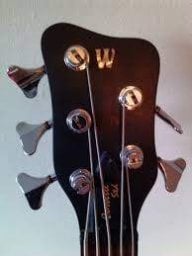
 ) but I'm really interested in what the electronics are and how it'll sound.