• TalkBass has been independent since 1998. Add your voice.
    Create a free account to reply to discussions, view embedded media, and browse with fewer display ads.
    Join freeLog in
    Want zero display ads or expanded classifieds tools? Compare plans.

The Official MTD USA Thread

+1

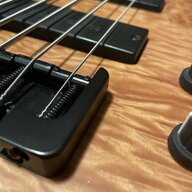
The A bridges are much more carefully engineered, to allow the adjustable spacings. They are impressive. But, that design leaves more metal in the base plate. So, there are weight trade-offs.

There are also resonance trade-offs, which I can’t explain by any engineering aspects. They just are.

I find the B bridges have more of a Jazz Bass vibe in the resonance dept; while the A bridges have more of a studio focus to the vibe. If that makes sense.
I so much agree with everything you said about B bridges. My 535 has an aluminum B. I replaced it with a brass B thinking it'll improve the tone and timbre, but it didn't. The aluminum B had much more initial punch, attack or pop to it, when playing. I really can't put into words what I hear and feel with the aluminum B as opposed to brass. Needless to say, this mod was reversed immediately.
 
IMG_0841.JPG
 
I so much agree with everything you said about B bridges. My 535 has an aluminum B. I replaced it with a brass B thinking it'll improve the tone and timbre, but it didn't. The aluminum B had much more initial punch, attack or pop to it, when playing. I really can't put into words what I hear and feel with the aluminum B as opposed to brass. Needless to say, this mod was reversed immediately.
I had the opposite results with mine lol, but I think the woods have the most to do with this. As already stated here multiple times, the northern ash body/ash neck basses can sometimes result in an overabundance of "vintage-y" mids that cause the fundamentals to get lost (really just overpowered) in a mix. I found that switching to the brass plate added a lot more focus and balls to my bass, where the aluminum bridge would just allow the notes to immediately dissipate after the initial attack and disappear in the mix. Anybody having this issue with an ash/ash build, I recommend trying a brass bridge plate.
 
I had the opposite results with mine lol, but I think the woods have the most to do with this. As already stated here multiple times, the northern ash body/ash neck basses can sometimes result in an overabundance of "vintage-y" mids that cause the fundamentals to get lost (really just overpowered) in a mix. I found that switching to the brass plate added a lot more focus and balls to my bass, where the aluminum bridge would just allow the notes to immediately dissipate after the initial attack and disappear in the mix. Anybody having this issue with an ash/ash build, I recommend trying a brass bridge plate.


That is very interesting.

I have had a 435-24 with an ash body / ash neck / maple fretboard and B bridge that I did not like very much.

But I have a Fodera with a 5 pieces ash / purpleheart neck that is great.
 
Last edited:
That is very interesting.

I have had a 435-24 with an ash body / ash neck / maple fretboard and B bridge that I did not like very much.

But I have a Fodera with a 5 pieces ash / purpleheart neck that is great.
Well, anytime you add laminations you create compression and neutralize sympathetic resonances. No doubt that neck has a way more focused sound than a single piece of ash.
 
  • Like
Reactions: Eneade